

Build-to-let developers face a stark reality in 2026: despite weaker market conditions affecting single-family built-for-rent construction [1], institutional landlords continue scaling multi-unit portfolios where party wall disputes can derail entire projects. Party Wall Surveys for Build-to-Let Developments: Managing Risks in Institutional Landlord Projects has become essential infrastructure for professional landlords navigating the complex intersection of construction law, neighbour relations, and portfolio growth strategies.
The stakes are substantial. A single unresolved party wall dispute can delay project completion by 6-12 months, trigger legal costs exceeding £50,000, and damage relationships with neighbouring property owners whose cooperation may be needed for future developments. For institutional investors deploying capital across multiple sites, systematic party wall risk management separates successful portfolio expansion from costly litigation.

Key Takeaways
- Proactive party wall surveys reduce project delays by 40-60% by identifying shared boundary issues before construction begins
- Institutional landlords managing multiple build-to-let sites require standardized party wall protocols to ensure consistent compliance across their portfolio
- Early neighbour engagement through proper party wall procedures minimizes disputes and maintains community relations essential for long-term rental operations
- Professional party wall surveyors provide legal protection and documentation that safeguards institutional investors from costly claims and construction delays
- Build-to-let developments face unique party wall challenges including multiple adjoining owners, phased construction, and ongoing tenant management considerations
Understanding Party Wall Requirements in Build-to-Let Developments
Build-to-let developments differ fundamentally from traditional residential construction. These projects typically involve multiple adjoining properties, phased construction timelines, and long-term ownership by institutional landlords rather than individual homeowners. This complexity amplifies party wall considerations.
The Party Wall Act Framework for Multi-Unit Projects
The Party Wall etc. Act 1996 governs work affecting shared walls, boundary structures, and excavations near neighbouring properties. For build-to-let developers, this legislation applies across several scenarios:
- New boundary walls between adjacent rental units within the same development
- Excavation works within three or six metres of neighbouring foundations (depending on depth)
- Structural alterations to existing party walls in conversion projects
- Underpinning or foundation work affecting adjoining properties
Professional landlords must serve proper notices to all affected neighbours, typically 1-2 months before construction begins. Consequences of ignoring the Party Wall Act include injunctions halting construction, mandatory remediation of damage, and substantial legal fees.
Why Institutional Landlords Need Specialized Party Wall Protocols
Unlike individual property developers, institutional landlords operate at scale. A single fund might develop 50-200 build-to-let units annually across multiple sites. This volume demands systematic party wall management rather than ad-hoc approaches.
Key differentiators include:
✅ Portfolio-wide compliance tracking across all active construction sites
✅ Standardized documentation templates ensuring consistent legal protection
✅ Centralized surveyor relationships providing expertise across multiple projects
✅ Risk assessment frameworks evaluating party wall exposure at acquisition stage
✅ Tenant communication protocols managing resident concerns during construction
Institutional investors increasingly integrate party wall surveys into their project management workflows, treating them as essential due diligence rather than optional extras.
Party Wall Surveys for Build-to-Let Developments: Risk Identification and Mitigation Strategies
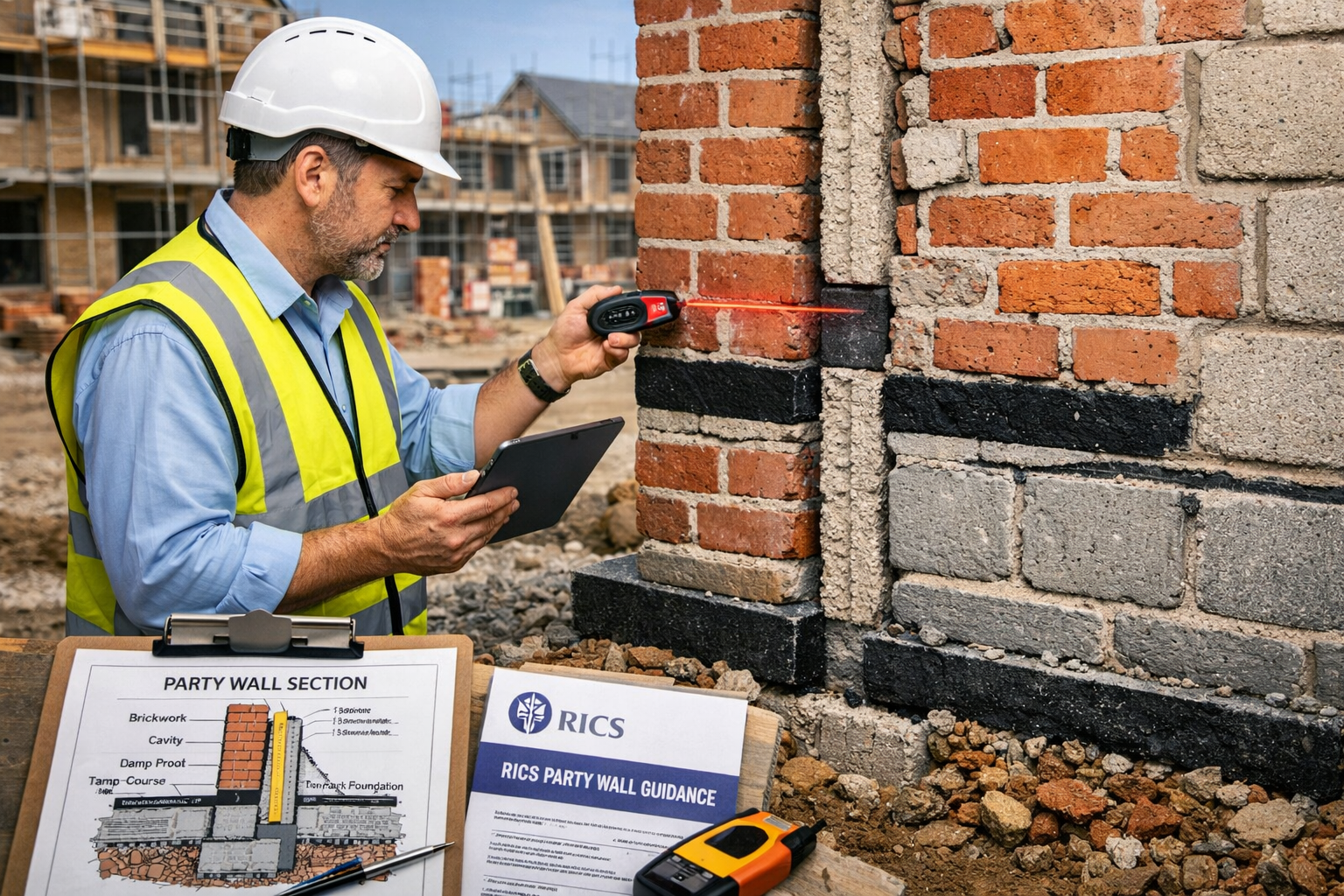
Effective risk management begins before purchasing development sites. Sophisticated institutional landlords conduct pre-acquisition party wall assessments to quantify potential liabilities and factor them into deal economics.
Pre-Development Risk Assessment
The initial party wall survey identifies several critical risk factors:
Structural Considerations:
- Condition of existing party walls and boundary structures
- Foundation depths relative to neighbouring properties
- Historical subsidence or settlement issues
- Proximity of proposed excavations to adjoining buildings
Legal and Compliance Factors:
- Number of adjoining owners requiring notices
- Complexity of existing easements or covenants
- Previous party wall disputes on the site
- Local authority planning conditions affecting construction methods
Financial Exposure:
- Estimated costs for party wall awards and surveyors
- Potential compensation for temporary inconvenience
- Contingency reserves for unexpected structural issues
- Insurance implications and coverage gaps
A comprehensive building survey conducted alongside party wall assessments provides institutional landlords with complete risk visibility before committing capital.
Neighbour Engagement Strategies for Professional Landlords
Institutional landlords benefit from maintaining positive relationships with neighbouring property owners, particularly when developing multiple sites in the same area. Strategic neighbour engagement includes:
- Early informal consultation before serving formal party wall notices
- Transparent communication about construction timelines and potential impacts
- Professional presentation materials explaining the development benefits
- Dedicated liaison contacts for addressing concerns throughout construction
- Goodwill gestures such as pre-construction condition surveys at developer expense
When neighbours understand the party wall process and feel respected, they're significantly less likely to dispute awards or delay construction through formal objections.
Appointing the Right Party Wall Surveyor
The choice of party wall surveyor substantially impacts project outcomes. Institutional landlords should prioritize:
Technical Expertise:
- RICS accreditation and party wall specialization
- Experience with large-scale build-to-let developments
- Understanding of modern construction methods and materials
- Knowledge of local building practices and ground conditions
Commercial Awareness:
- Ability to balance legal compliance with project timelines
- Pragmatic problem-solving approach minimizing delays
- Clear fee structures suitable for portfolio-scale work
- Technology integration for efficient documentation and reporting
Many institutional landlords benefit from appointing an agreed surveyor who acts for both parties, streamlining the process and reducing costs when neighbours are cooperative.
Managing Party Wall Compliance Across Multi-Site Build-to-Let Portfolios
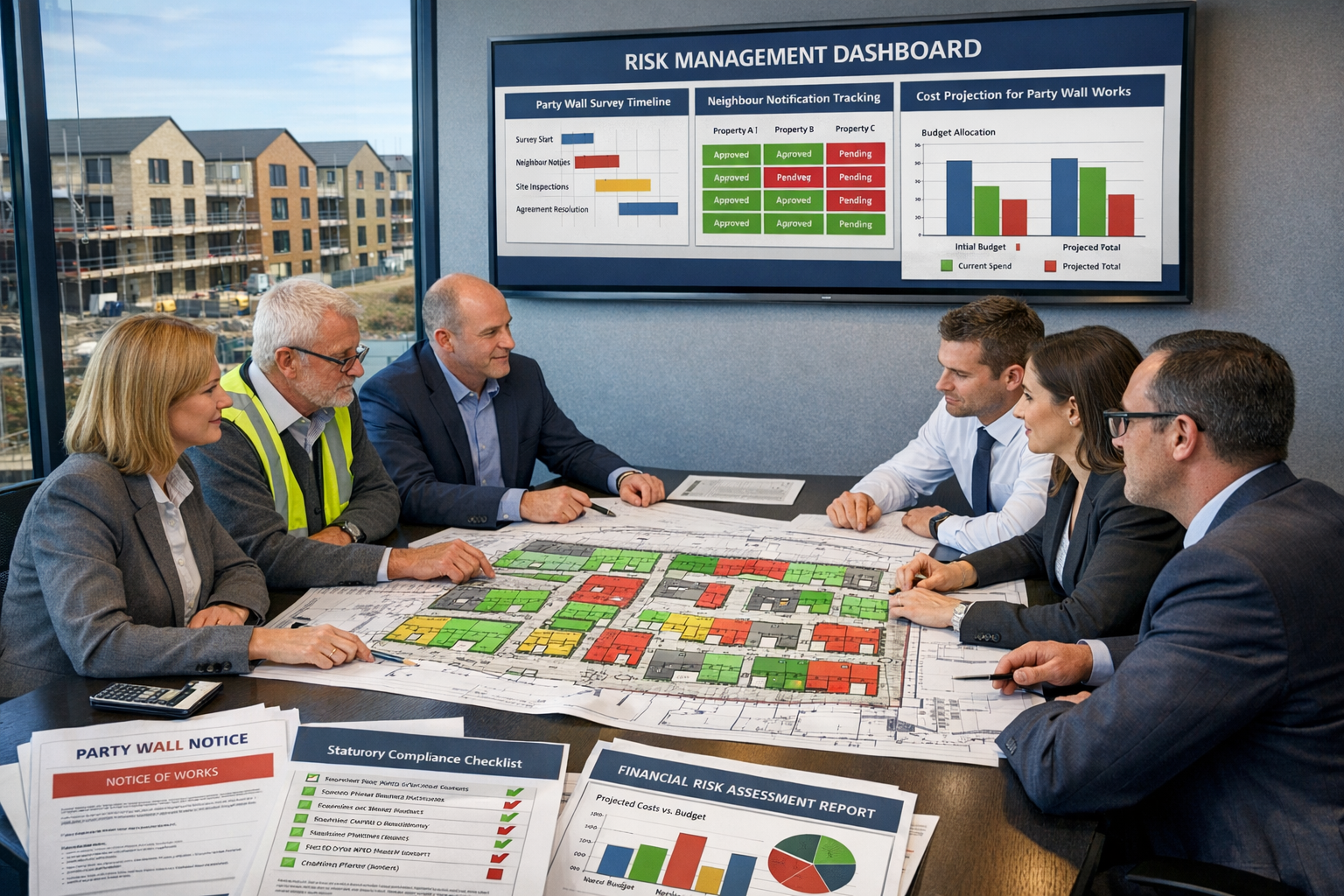
Institutional landlords managing multiple concurrent developments require centralized systems for tracking party wall compliance. Manual processes become unworkable at scale, creating gaps that expose organizations to legal and financial risks.
Systematic Compliance Tracking
Professional landlords implement portfolio-wide tracking systems monitoring:
| Compliance Element | Tracking Requirement | Risk if Missed |
|---|---|---|
| Notice service dates | Statutory timelines per site | Construction delays, injunctions |
| Surveyor appointments | Confirmation for all parties | Invalid awards, legal challenges |
| Award documentation | Signed copies on file | Unenforceable agreements |
| Condition surveys | Pre/post construction records | Unsubstantiated damage claims |
| Neighbour communications | Logged interactions | Relationship breakdown, disputes |
| Cost tracking | Actual vs. budgeted expenses | Budget overruns, cash flow issues |
Digital project management platforms allow institutional investors to monitor compliance status across their entire portfolio, flagging potential issues before they escalate.
Phased Construction and Party Wall Coordination
Build-to-let developments often proceed in phases, with some units completed and occupied while construction continues on adjacent blocks. This creates unique party wall challenges:
Occupied Units Adjacent to Active Construction:
- Noise and vibration management for existing tenants
- Dust control and site security considerations
- Ongoing monitoring of party wall condition
- Tenant communication about construction schedules
Sequential Party Wall Agreements:
- Staggered notice service aligned with construction phases
- Multiple awards covering different development stages
- Coordination between completed and in-progress sections
- Updated condition surveys as each phase completes
Institutional landlords must integrate party wall requirements into their property development planning, ensuring construction sequencing accommodates statutory notice periods and surveyor appointment timelines.
Documentation and Record-Keeping Standards
Professional landlords maintain comprehensive party wall documentation for each development, including:
📋 Pre-Construction Records:
- Site investigation reports and ground condition surveys
- Initial party wall assessments and risk evaluations
- Served notices with proof of delivery
- Surveyor appointment confirmations
- Pre-construction condition surveys with photographic evidence
📋 Construction Phase Documentation:
- Party wall awards and agreed specifications
- Regular monitoring reports from surveyors
- Correspondence with neighbours and their surveyors
- Incident reports for any damage or concerns
- Variation agreements for design changes
📋 Post-Construction Records:
- Final condition surveys comparing pre/post construction state
- Settlement agreements for any compensation claims
- Completion certificates from party wall surveyors
- Lessons learned documentation for future projects
- Archive of all statutory notices and legal documents
This documentation provides legal protection if disputes arise years after construction, particularly important for institutional landlords holding assets long-term. Understanding when you need a party wall surveyor helps developers maintain appropriate records throughout the project lifecycle.
Cost Management and Budget Allocation
Party wall expenses represent a predictable project cost that institutional landlords can model accurately with proper planning. Typical cost components include:
Direct Party Wall Costs:
- Building owner's surveyor fees (£1,500-£5,000 per project)
- Adjoining owner's surveyor fees (if separate surveyor appointed)
- Agreed surveyor fees (typically lower than separate surveyors)
- Party wall drawings and technical documentation
- Pre and post-construction condition surveys
Contingency Allowances:
- Unexpected structural issues discovered during works
- Neighbour compensation for temporary inconvenience
- Remediation of accidental damage to adjoining properties
- Extended surveyor involvement if disputes arise
- Legal fees if formal dispute resolution required
Hidden Costs:
- Project delays due to party wall compliance timelines
- Design modifications to address party wall constraints
- Enhanced construction methods to minimize neighbour impact
- Management time coordinating with multiple surveyors
- Insurance premium increases for party wall coverage
Sophisticated institutional landlords allocate 2-4% of construction budgets to party wall matters, with higher percentages for complex urban sites with multiple adjoining owners.
Emerging Trends and Future Considerations for Institutional Landlords
The build-to-let sector continues evolving in 2026, with several trends affecting party wall risk management:
Technology Integration in Party Wall Surveys
Modern party wall surveyors increasingly use digital tools that benefit institutional landlords:
- 3D laser scanning for precise condition documentation
- Drone surveys capturing roof and elevation details without scaffolding access
- Digital collaboration platforms enabling real-time communication between all parties
- Automated monitoring systems detecting settlement or structural movement during construction
- Cloud-based documentation providing instant access to party wall records across portfolio
These technologies reduce costs, improve accuracy, and streamline compliance for landlords managing multiple sites simultaneously.
Regulatory Evolution and Compliance Requirements
While the Party Wall Act framework remains stable, institutional landlords should monitor:
Building Safety Act Implications:
- Enhanced structural documentation requirements
- Golden thread information including party wall records
- Accountability frameworks for building owners
- Integration with building control approvals
Environmental and Sustainability Standards:
- Party wall considerations for retrofit and energy efficiency works
- Thermal bridging issues at party wall junctions
- Sound insulation requirements between units
- Sustainable construction methods affecting party wall procedures
Planning Policy Changes:
- Increased density requirements in urban areas
- Permitted development rights for residential conversions
- Local authority guidance on party wall compliance
- Community consultation expectations
Institutional landlords with robust party wall protocols adapt more easily to regulatory changes, maintaining compliance without disrupting development timelines.
Best Practices for Scaling Build-to-Let Portfolios
Professional landlords successfully scaling their build-to-let operations implement these party wall best practices:
✨ Standardize procedures across all developments while allowing site-specific flexibility
✨ Build surveyor relationships providing consistent expertise across multiple projects
✨ Integrate party wall planning into acquisition due diligence and feasibility studies
✨ Train internal teams on party wall requirements and compliance obligations
✨ Maintain centralized documentation accessible to legal, construction, and asset management teams
✨ Budget conservatively with adequate contingencies for party wall matters
✨ Prioritize neighbour relations recognizing long-term community integration benefits
✨ Learn from experience capturing lessons learned to improve future projects
These practices position institutional landlords to expand portfolios efficiently while minimizing party wall risks that could derail individual developments or damage organizational reputation.
Conclusion
Party Wall Surveys for Build-to-Let Developments: Managing Risks in Institutional Landlord Projects represents far more than regulatory compliance—it's strategic infrastructure enabling professional landlords to scale portfolios confidently. As build-to-let investment continues despite market headwinds [1], systematic party wall risk management separates successful institutional investors from those facing costly delays and disputes.
The key to effective party wall management lies in proactive planning, professional expertise, and systematic execution. Institutional landlords who integrate party wall surveys into their standard development workflows—from initial site acquisition through construction completion—minimize risks while maintaining positive neighbour relations essential for long-term success.
Next Steps for Institutional Landlords
If you're managing or planning build-to-let developments, take these actions:
- Conduct party wall assessments during site acquisition due diligence
- Establish relationships with experienced RICS party wall surveyors
- Implement portfolio-wide tracking systems for compliance monitoring
- Develop standardized procedures adaptable to different site conditions
- Train your development team on party wall requirements and timelines
- Budget appropriately with realistic cost allocations and contingencies
- Engage neighbours early building goodwill before formal notices
Professional party wall management protects your investment, accelerates construction timelines, and positions your organization for sustainable portfolio growth. Don't let party wall issues become the constraint limiting your build-to-let ambitions.
For expert guidance on party wall surveys tailored to institutional landlord requirements, consult with qualified RICS surveyors who understand the unique demands of professional build-to-let developments.
References
[1] Weaker Conditions For Single Family Built For Rent Housing – https://eyeonhousing.org/2026/03/weaker-conditions-for-single-family-built-for-rent-housing/
[2] Building Surveys For High Value Properties Over 2m In 2026 Adapting To New Wealth Taxes And Valuations – https://nottinghillsurveyors.com/blog/building-surveys-for-high-value-properties-over-2m-in-2026-adapting-to-new-wealth-taxes-and-valuations
[3] Building Survey Protocols For New Build Properties In 2026 Spotting Defects Amid 2 5 Price Growth Forecasts – https://nottinghillsurveyors.com/blog/building-survey-protocols-for-new-build-properties-in-2026-spotting-defects-amid-2-5-price-growth-forecasts