

The UK rental market is experiencing a remarkable transformation in 2026. After years of regulatory pressures and economic uncertainty, landlord confidence is surging as tenant demand rebounds and buy-to-let mortgage rates reach their most attractive levels in over two years. For property investors evaluating portfolio additions, understanding Building Survey Demand in Rental Market Recovery: Assessing Buy-to-Let Properties as Landlord Confidence Returns in 2026 has become essential for making informed investment decisions that protect capital and maximize rental yields.
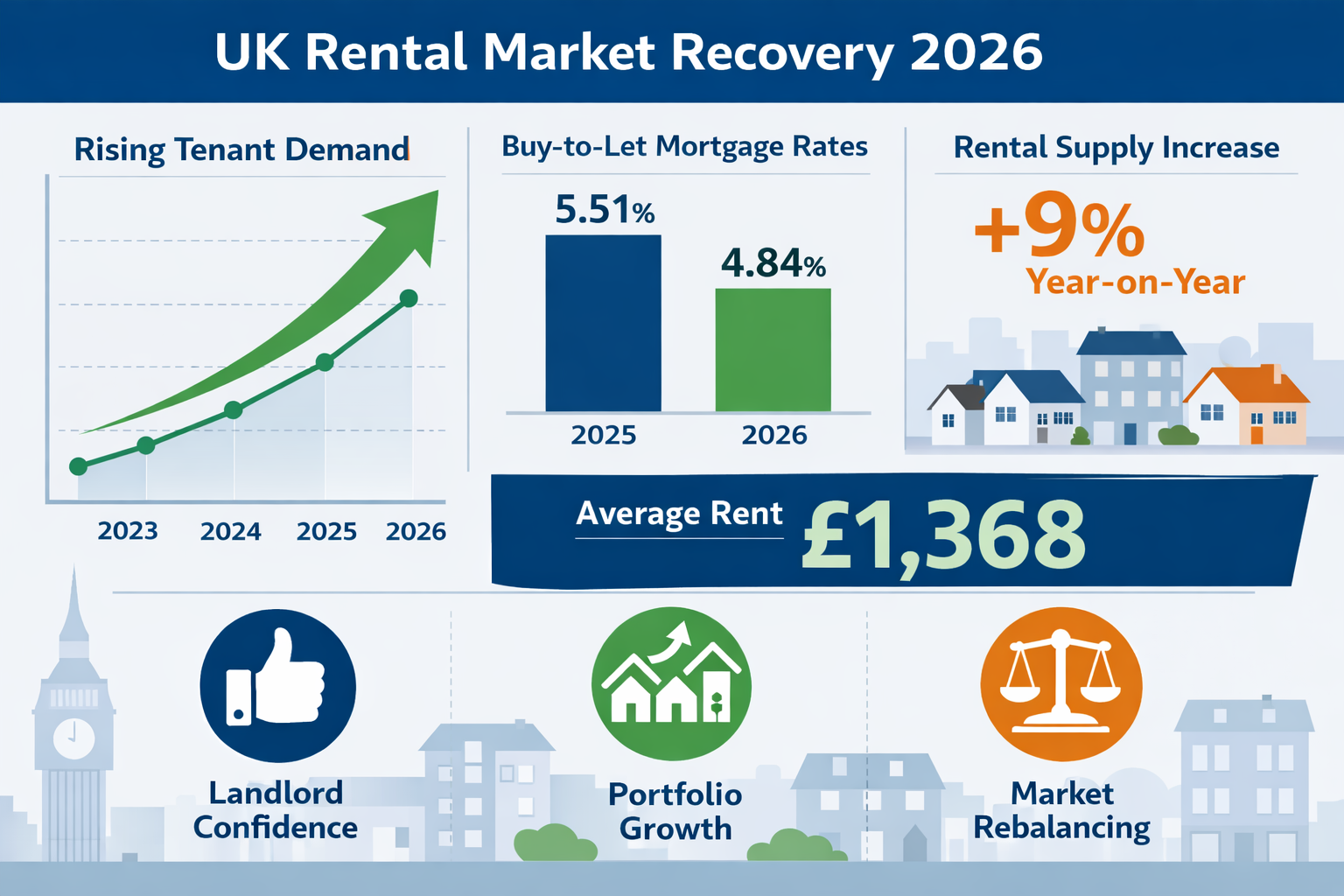
Recent data reveals tenant demand increased in the three months to January 2026, ending two consecutive quarters of stagnation[1]. Simultaneously, the average two-year buy-to-let mortgage rate dropped to 4.84% from 5.51% a year earlier[3], creating unprecedented opportunities for strategic landlords. However, with new property instructions surging 11% compared to two years ago[4], competition for quality rental stock is intensifying—making comprehensive building surveys more critical than ever.
Key Takeaways
✅ Tenant demand rebounded strongly in early 2026, ending months of flat market conditions and signaling renewed rental market vitality[1]
✅ Buy-to-let mortgage rates fell to 4.84%, the lowest level in over two years, encouraging landlords to expand portfolios despite ongoing tax pressures[3]
✅ Building surveys protect investment returns by identifying structural defects, maintenance liabilities, and hidden costs that can erode rental yields in competitive markets
✅ Rental supply increased 9% year-on-year but remains 33% below decade-ago levels, creating sustained demand for well-maintained rental properties[3]
✅ Professional surveyor assessments provide negotiating leverage and long-term maintenance planning essential for buy-to-let success in 2026's recovering market
Understanding the 2026 Rental Market Recovery Context
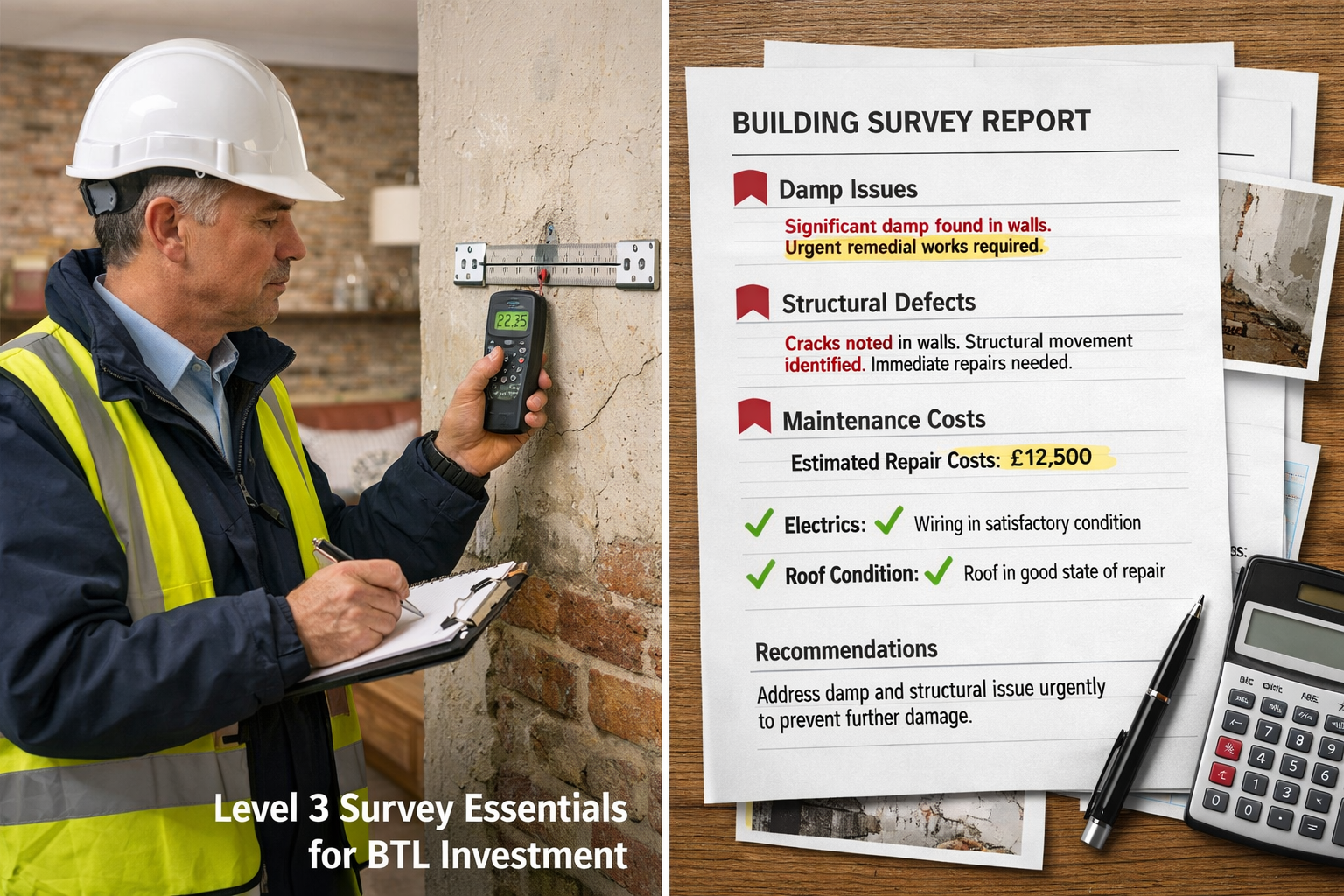
The rental market landscape in 2026 represents a significant departure from the challenging conditions landlords faced in recent years. Multiple converging factors have created what industry experts describe as a "cautious optimism" phase, where fundamental market dynamics are shifting in favor of strategic property investors.
Tenant Demand Dynamics Driving Market Recovery
Tenant demand has emerged as the primary catalyst for rental market recovery. According to the Royal Institution of Chartered Surveyors (RICS) January 2026 survey, tenant demand increased for the first time in three quarters, breaking a prolonged period of market stagnation[1]. This resurgence reflects several underlying trends:
Population mobility patterns have normalized following pandemic-era disruptions, with young professionals returning to urban centers and employment hubs. The demand for quality rental accommodation in well-connected locations has intensified, particularly in areas with strong transport links and employment opportunities.
Affordability barriers in the homeownership market continue pushing households toward long-term renting. With mortgage rates remaining elevated compared to pre-2022 levels, many prospective first-time buyers are extending their rental periods, creating sustained demand for family-sized properties.
Lifestyle preferences among younger demographics increasingly favor rental flexibility over homeownership commitments, particularly in major metropolitan areas where career mobility remains high.
Landlord Sentiment and Investment Confidence Indicators
While tenant demand provides the foundation for recovery, landlord confidence represents the critical variable determining market trajectory. RICS data reveals that respondents' optimism for the 12-month outlook surged to +35%, the strongest reading since December 2024[1]. This optimism stems from several concrete factors:
| Confidence Indicator | January 2026 Reading | Significance |
|---|---|---|
| 12-Month Outlook | +35% | Highest since Dec 2024 |
| Price Expectations | 43% anticipate increases | Most positive since Feb 2025 |
| New Instructions | +11% vs. 2 years prior | Supply response strengthening |
| Landlord Instructions | Improving from negative | Easing constraints |
The improvement in landlord sentiment directly correlates with mortgage affordability improvements. Property experts attribute renewed activity to buy-to-let mortgage rates reaching more sustainable levels than the 12-24 month period prior[2], enabling portfolio expansion calculations to generate acceptable returns.
Rental Price Growth and Supply-Demand Rebalancing
Rental price dynamics in 2026 reflect a market transitioning from acute shortage to gradual rebalancing. Annual rent growth moderated to 4.4% by January 2026, down from earlier peaks as increased supply tempered upward pressure[7]. The Office for National Statistics reported average UK monthly private rents reached £1,368 in December 2025, representing a 4.0% annual increase[6].
Despite moderation, sustained rental growth remains projected. Rightmove forecasts average advertised rents will rise a further 2% in 2026, following 2% growth in 2025[3]. This continued appreciation reflects persistent structural undersupply—while available rental properties increased 9% year-on-year, supply remains 33% lower than a decade ago[3].
The supply-demand rebalancing creates specific implications for building survey demand:
🏘️ Quality differentiation intensifies as supply increases, making property condition a critical competitive factor
📊 Maintenance standards matter more when tenants have greater choice among available properties
💰 Hidden defects carry higher opportunity costs in markets where rental voids can extend if properties fail to meet tenant expectations
⚡ Rapid acquisition decisions require reliable survey intelligence to avoid costly post-purchase discoveries
For landlords evaluating buy-to-let investment opportunities, understanding these market dynamics provides essential context for survey specification and due diligence planning.
Building Survey Demand in Rental Market Recovery: Why Professional Assessments Matter for Buy-to-Let Investors
The intersection of rental market recovery and building survey demand creates unique considerations for buy-to-let investors in 2026. As landlord confidence returns and competition for quality rental stock intensifies, comprehensive property assessments have transitioned from optional due diligence to essential investment protection.
The Financial Case for Comprehensive Building Surveys
Buy-to-let investors operate within fundamentally different risk parameters than owner-occupiers. Every pound spent on unexpected repairs directly impacts rental yields, while extended maintenance periods create costly void periods. Professional building surveys provide quantifiable financial protection through several mechanisms:
Repair cost discovery enables accurate investment modeling. A Level 3 full building survey identifies structural defects, building pathology issues, and maintenance liabilities that can fundamentally alter investment returns. For example, discovering a £15,000 roof replacement requirement before purchase allows for:
- Price renegotiation to reflect true property condition
- Accurate cash flow forecasting including capital expenditure
- Informed decision-making about investment viability
- Strategic maintenance scheduling to minimize tenant disruption
Hidden defect identification prevents post-purchase financial shocks. Properties marketed during the 2026 recovery may have deferred maintenance from previous ownership periods when landlord margins were compressed. Common issues include:
- Rising damp and penetrating moisture requiring £3,000-£8,000 remediation
- Electrical installations failing current safety standards (£2,500-£5,000 rewiring)
- Heating system inefficiencies requiring boiler replacement (£2,000-£4,000)
- Structural movement requiring underpinning or foundation repairs (£10,000-£50,000+)
Negotiating leverage creates immediate return on survey investment. Armed with detailed defect schedules and repair cost estimates, investors can negotiate purchase price reductions that typically exceed survey fees by 10-20 times. Our guide on how to negotiate house price down after survey provides proven strategies for converting survey findings into financial concessions.
Survey Specifications for Different Buy-to-Let Property Types
The 2026 rental market encompasses diverse property types, each requiring tailored survey approaches. Understanding which building survey you need depends on property characteristics, investment strategy, and risk tolerance.
Victorian and Edwardian Rental Conversions
Period properties converted to flats or HMOs present specific survey challenges. These buildings typically require comprehensive building pathology assessments addressing:
- Original solid wall construction and associated damp risks
- Structural alterations from conversion works (removed walls, staircase installations)
- Shared building elements requiring coordinated maintenance
- Heritage considerations in conservation areas
For landlords investing in Edwardian properties, specialist surveyors can identify period-specific defects including bay window subsidence, original timber decay, and outdated service installations.
Modern Purpose-Built Rental Developments
New-build and recently constructed rental properties require different survey focus:
- Snagging and defect identification through specialized snagging reports
- Building materials assessments evaluating construction quality and longevity
- Warranty and guarantee verification ensuring developer obligations are enforceable
- Fire safety compliance particularly in multi-unit developments
Houses in Multiple Occupation (HMOs)
HMO investments demand enhanced survey rigor given regulatory requirements and intensive property use:
- Fire safety infrastructure and compartmentation adequacy
- Electrical installation capacity for multiple tenant loads
- Kitchen and bathroom facilities meeting licensing standards
- Maintenance planning for high-wear common areas
Advanced Survey Technologies Enhancing Buy-to-Let Due Diligence
Modern survey methodologies provide unprecedented insight into property condition, enabling more confident investment decisions. Progressive surveying firms now deploy:
Thermal imaging technology detects hidden defects invisible to visual inspection, including:
- Heat loss through inadequate insulation (impacting tenant energy costs)
- Hidden moisture penetration behind finishes
- Thermal bridging creating condensation risks
- Heating system inefficiencies
Drone surveys offer comprehensive roof and chimney assessments without scaffolding costs. Premium drone surveys capture high-resolution imagery of:
- Roof covering condition and remaining lifespan
- Chimney stack integrity and pointing condition
- Gutter and rainwater goods functionality
- Structural movement in upper-floor elements
Moisture mapping equipment provides quantified data on damp issues, distinguishing between condensation, rising damp, and penetrating moisture—each requiring different remediation approaches and cost implications.
Electrical testing and certification ensures rental properties meet current safety standards, a critical consideration given landlord legal obligations under electrical safety regulations.
Regulatory Compliance and Survey Documentation
The 2026 regulatory environment places significant compliance burdens on landlords. Comprehensive building surveys provide essential documentation supporting:
Energy Performance Certificate (EPC) planning – Surveys identify insulation improvements and heating upgrades necessary to maintain minimum EPC ratings (currently E-rated or above for new tenancies).
Electrical Installation Condition Reports (EICR) – Required every five years, with surveys identifying whether existing installations meet current standards or require remedial work before letting.
Gas safety compliance – Survey recommendations regarding boiler replacement and gas installation upgrades inform ongoing safety certificate maintenance.
Housing Health and Safety Rating System (HHSRS) – Comprehensive surveys identify Category 1 and 2 hazards that local authorities may enforce, including damp, excess cold, and fall hazards.
For landlords expanding portfolios across multiple locations, understanding local surveyor expertise becomes critical. Investors might seek chartered surveyors in specific areas familiar with regional building characteristics and local authority enforcement approaches.
Strategic Survey Planning for Portfolio Expansion in 2026's Recovering Market
As Building Survey Demand in Rental Market Recovery: Assessing Buy-to-Let Properties as Landlord Confidence Returns in 2026 accelerates, strategic landlords are implementing systematic survey protocols that protect investment capital while enabling rapid acquisition decisions in competitive markets.
Developing a Survey-First Investment Framework
Successful buy-to-let investors in 2026 integrate building surveys into their core acquisition strategy rather than treating them as transactional afterthoughts. This survey-first framework encompasses:
Pre-viewing survey criteria that filter opportunities based on likely survey outcomes. Experienced investors develop property assessment checklists covering:
- Construction type and age (identifying high-risk categories)
- Visible external condition indicators (roof, walls, windows)
- Location-specific risks (flood zones, subsidence areas, coastal exposure)
- Conversion quality for multi-unit properties
Budget allocation for survey costs as standard acquisition expenses. Understanding building survey costs enables accurate deal modeling, with typical Level 3 surveys ranging from £600-£1,500 depending on property size and complexity.
Surveyor relationship development creates competitive advantages through:
- Priority scheduling during market upswings
- Consistent reporting formats enabling portfolio-wide comparison
- Accumulated knowledge of investor-specific risk tolerances
- Streamlined communication protocols for time-sensitive decisions
Survey contingency clauses in purchase agreements protect investor positions. Well-drafted subject-to-survey clauses allow withdrawal or renegotiation based on findings, though competitive 2026 market conditions may limit seller acceptance of extensive contingency periods.
Multi-Property Portfolio Survey Strategies
Landlords expanding portfolios during the 2026 recovery face unique survey challenges when evaluating multiple properties simultaneously. Efficient portfolio survey strategies include:
Tiered Survey Approaches
Not all portfolio additions require identical survey depth. Strategic investors implement tiered approaches:
Tier 1: Full Level 3 Building Surveys for:
- Properties over 100 years old
- Buildings with visible structural concerns
- Conversions with complex building histories
- High-value acquisitions where defect costs could significantly impact returns
Tier 2: Targeted Assessments for:
- Modern properties under 30 years old
- Recently renovated buildings with available documentation
- Properties in excellent external condition
- Lower-value acquisitions where comprehensive surveys may not be cost-effective
Tier 3: Specialist Inspections addressing specific concerns:
- Electrical installation condition reports
- Drainage surveys for properties with known water issues
- Structural engineer consultations for movement concerns
- Asbestos surveys for pre-2000 properties
Bulk Survey Negotiation
Landlords acquiring multiple properties can negotiate favorable survey terms:
- Volume discounts for multiple property assessments
- Standardized reporting formats enabling easier comparison
- Coordinated scheduling reducing overall timeline
- Portfolio-level risk assessment identifying common issues across holdings
Interpreting Survey Findings Through an Investment Lens
Building survey reports contain extensive technical detail that requires translation into investment-relevant insights. Sophisticated buy-to-let investors focus on:
Repair urgency categorization distinguishing between:
- Immediate safety issues requiring pre-letting resolution (electrical hazards, structural instability)
- Short-term maintenance needs (1-2 years) impacting near-term cash flow
- Medium-term capital expenditure (3-5 years) requiring reserve planning
- Long-term considerations (5+ years) affecting hold period strategy
Cost-benefit analysis of identified repairs evaluating:
- Repair costs versus rental yield impact
- Tenant appeal improvements from remediation
- Regulatory compliance necessities versus optional upgrades
- Timing flexibility for non-urgent work
Rental yield implications of survey findings:
| Defect Type | Typical Cost | Yield Impact | Strategic Response |
|---|---|---|---|
| Damp issues | £3,000-£8,000 | -10-15% (tenant resistance) | Negotiate price reduction |
| Roof replacement | £8,000-£15,000 | Minimal if addressed | Schedule before letting |
| Electrical rewire | £2,500-£5,000 | Regulatory requirement | Essential pre-letting work |
| Cosmetic updates | £5,000-£10,000 | +5-10% (premium positioning) | ROI-dependent decision |
Exit strategy considerations informed by survey findings:
- Properties with significant structural issues may suit shorter hold periods
- Buildings with good bones but cosmetic issues enable value-add strategies
- Well-maintained properties support long-term portfolio retention
Leveraging Survey Intelligence for Competitive Advantage
In 2026's recovering market with new instructions up 11%[4], information advantages create competitive differentiation. Advanced investors leverage survey intelligence through:
Rapid survey turnaround enabling faster offer decisions. Pre-arranged surveyor relationships and expedited scheduling allow confident offers while competitors await assessments.
Seller education strategies where survey findings create win-win negotiations. Rather than aggressive price reductions, sophisticated investors present survey evidence supporting mutually acceptable price adjustments that keep transactions moving.
Maintenance planning integration where survey findings inform immediate post-purchase action plans, minimizing void periods and accelerating rental income commencement.
Portfolio risk management using accumulated survey data to identify systemic issues across holdings, enabling proactive maintenance programs that prevent costly emergency repairs.
For landlords managing building inspections across multiple properties, centralized survey documentation systems enable portfolio-wide condition tracking and strategic capital expenditure planning.
Survey Considerations for Specific Market Segments
The 2026 rental recovery encompasses diverse geographic and demographic segments, each presenting unique survey considerations:
Urban Professional Rental Markets
Properties targeting young professionals in city centers require surveys emphasizing:
- Sound insulation between units (critical for tenant satisfaction)
- Modern amenity condition (kitchens, bathrooms meeting tenant expectations)
- Security features and entry systems
- Connectivity infrastructure (broadband capability, mobile signal)
Landlords investing in areas like Islington, Camden, or Clapham should prioritize surveys addressing period property conversion quality and shared building element condition.
Family Rental Markets
Suburban and semi-rural properties attracting family tenants demand surveys focusing on:
- Garden condition and boundary responsibilities
- Garage and outbuilding structural integrity
- School proximity and neighborhood amenities
- Long-term maintenance of larger properties
Investors in areas such as Buckinghamshire, Surrey, or Hemel Hempstead should ensure surveys address detached and semi-detached property-specific issues including drainage, boundary walls, and larger roof structures.
Student and Young Professional HMO Markets
Purpose-built or converted HMOs require specialized survey approaches:
- Fire safety infrastructure adequacy
- Kitchen and bathroom capacity for occupant numbers
- Individual room sizes meeting licensing standards
- Common area maintenance requirements
Timing Survey Commissioning in Fast-Moving Markets
The 2026 market recovery creates timing challenges for survey commissioning. Strategic approaches include:
Pre-offer survey feasibility – In highly competitive situations, some investors commission surveys before making offers, though this carries risk if offers are rejected.
Survey contingency negotiation – Balancing seller expectations for quick completions against investor due diligence requirements through realistic but protected timelines.
Surveyor availability management – Booking surveyor capacity in advance during busy market periods, with flexibility to deploy across emerging opportunities.
Parallel process management – Running surveys concurrently with mortgage applications and legal due diligence to compress overall transaction timelines.
For properties requiring urgent building issue assessments, expedited survey services may be available at premium rates, justified when securing time-sensitive investment opportunities.
Long-Term Value Protection and Maintenance Planning
Building surveys provide value extending far beyond initial purchase decisions. Forward-thinking landlords in 2026 utilize survey intelligence as the foundation for comprehensive property lifecycle management that protects investment value and optimizes long-term returns.
Creating Maintenance Schedules from Survey Findings
Professional building surveys include recommendations for ongoing maintenance and future capital expenditure. Converting these recommendations into actionable maintenance schedules creates multiple advantages:
Preventive maintenance programs address minor issues before they escalate into costly repairs:
- Gutter clearing schedules preventing water damage
- External decoration cycles protecting building fabric
- Heating system servicing extending equipment lifespan
- Drainage maintenance preventing blockages and backups
Capital expenditure forecasting enables financial planning for major replacements:
- Roof covering replacement (typically 40-60 year cycles for tiles, 15-25 years for flat roofs)
- Window replacement (25-40 years for timber, 30-50 years for uPVC)
- Boiler replacement (12-15 year typical lifespan)
- External decoration (5-7 year cycles for timber properties)
Tenant communication frameworks where planned maintenance schedules demonstrate professional property management, supporting tenant retention and justifying rental positioning.
Insurance claim documentation as survey records establish property condition baselines, supporting claims for insured events and demonstrating proper maintenance to insurers.
Survey-Informed Renovation and Improvement Strategies
Survey findings often reveal improvement opportunities that enhance rental appeal and justify premium positioning. Strategic landlords evaluate:
Energy efficiency upgrades identified in surveys:
- Loft insulation improvements (typical cost £400-£800, improving EPC ratings)
- Cavity wall insulation (£500-£2,500 depending on property size)
- Heating system upgrades to modern condensing boilers
- Double glazing installation where single glazing remains
Structural improvements addressing survey-identified issues:
- Damp-proofing installations (£1,500-£3,000 for typical properties)
- Roof repairs or replacements before condition deteriorates further
- Repointing and external wall repairs preventing water penetration
- Foundation stabilization addressing minor movement before escalation
Value-add renovations suggested by survey condition assessments:
- Kitchen and bathroom modernization where existing facilities are dated
- Additional bedroom creation through loft conversions (subject to planning)
- Garden improvements and external appearance enhancement
- Modern amenity installation (smart heating controls, improved security)
For landlords considering home extension projects to maximize rental yields, initial building surveys provide essential baseline information about structural capacity and planning considerations.
Portfolio-Wide Risk Management Using Survey Data
Landlords with multiple properties can aggregate survey intelligence to identify systemic risks and opportunities:
Common defect patterns across portfolios signal preventive action needs:
- If multiple properties show aging boiler installations, coordinated replacement programs can negotiate bulk pricing
- Recurring damp issues may indicate need for portfolio-wide damp-proofing strategy
- Electrical installation ages approaching testing requirements enable planned upgrade programs
Geographic risk identification where survey data reveals location-specific issues:
- Subsidence patterns in clay soil areas requiring monitoring programs
- Coastal property exposure requiring enhanced maintenance schedules
- Flood risk areas necessitating specific insurance and protection measures
Maintenance contractor relationships informed by survey specifications enable:
- Preferred contractor arrangements for recurring work types
- Quality standards based on survey recommendations
- Competitive pricing through volume commitments
- Rapid response capabilities for urgent issues
Regulatory Compliance Tracking and Documentation
The 2026 regulatory environment requires meticulous record-keeping. Building surveys create foundational compliance documentation:
Safety certification scheduling based on survey-identified installation ages:
- Electrical Installation Condition Reports (5-year requirement)
- Gas Safety Certificates (annual requirement)
- Energy Performance Certificates (10-year validity)
- Fire Risk Assessments for HMOs and multi-unit buildings
Local authority engagement where surveys identify potential HHSRS issues:
- Proactive remediation before enforcement action
- Documentation demonstrating responsible landlord approach
- Evidence supporting appeals against disproportionate enforcement
Tenant safety obligations supported by survey documentation:
- Smoke and carbon monoxide alarm adequacy
- Electrical safety compliance
- Gas appliance safety
- Structural safety and fall hazard elimination
Survey Archives as Portfolio Assets
Maintaining comprehensive survey archives creates long-term value:
Resale documentation when divesting properties, where historical survey records:
- Demonstrate responsible ownership and maintenance
- Provide purchasers with confidence in property condition
- Support asking price justification through documented improvements
- Accelerate purchaser due diligence processes
Insurance claim support through baseline condition documentation:
- Pre-existing condition evidence for damage claims
- Maintenance record demonstration for coverage disputes
- Valuation support for replacement cost calculations
Tax planning documentation where survey-identified repairs support:
- Revenue versus capital expenditure classifications
- Allowable expense claims for tax purposes
- Capital gains calculations upon disposal
Refinancing applications supported by survey evidence of:
- Property condition maintenance
- Value-enhancing improvements
- Professional management approach
For landlords seeking property valuations for tax or financial planning purposes, historical survey documentation provides essential supporting evidence.
Conclusion: Positioning for Success in 2026's Rental Market Recovery

The convergence of rising tenant demand, improving mortgage affordability, and returning landlord confidence creates exceptional opportunities for strategic buy-to-let investors in 2026. However, success in this recovering market requires more than capital and optimism—it demands rigorous due diligence grounded in comprehensive building survey intelligence.
Building Survey Demand in Rental Market Recovery: Assessing Buy-to-Let Properties as Landlord Confidence Returns in 2026 reflects a fundamental shift in professional landlord approaches. As competition for quality rental stock intensifies with new instructions up 11%[4] and supply-demand dynamics gradually rebalancing, the margin for error in property acquisition decisions has narrowed considerably.
Key Success Factors for 2026 Buy-to-Let Investors
🎯 Survey-first investment frameworks that integrate comprehensive property assessments into core acquisition strategies, protecting capital and enabling confident decision-making
📊 Financial modeling accuracy incorporating survey-identified repair costs, maintenance liabilities, and capital expenditure requirements into realistic yield projections
🏗️ Lifecycle maintenance planning using survey intelligence to create preventive maintenance schedules that protect property values and minimize emergency repair costs
⚖️ Regulatory compliance confidence through survey documentation supporting safety obligations, energy performance requirements, and local authority standards
🔄 Portfolio risk management leveraging accumulated survey data to identify systemic issues and optimize maintenance strategies across multiple properties
Immediate Action Steps for Landlords
For property investors seeking to capitalize on 2026's rental market recovery, the following actions provide immediate value:
-
Establish surveyor relationships with qualified professionals experienced in buy-to-let property assessment, ensuring priority access during busy market periods
-
Develop survey specifications tailored to your target property types, investment criteria, and risk tolerance levels
-
Create survey budget allocations as standard acquisition costs, typically 0.1-0.3% of purchase price for comprehensive Level 3 assessments
-
Implement survey contingency protocols in offer strategies, balancing competitive positioning with prudent due diligence protection
-
Build maintenance planning systems that convert survey findings into actionable schedules supporting long-term value protection
-
Review existing portfolio condition through updated surveys on held properties, identifying preventive maintenance opportunities before issues escalate
The Competitive Advantage of Survey Intelligence
In a market where 43% of respondents anticipate rental price increases over the coming year[1] and fundamental supply constraints persist despite gradual improvement, properties commanding premium rents share common characteristics: excellent condition, minimal maintenance issues, and professional management standards.
Comprehensive building surveys provide the intelligence necessary to acquire, maintain, and position properties meeting these criteria. The survey investment—typically £600-£1,500 for residential buy-to-let properties—generates returns through multiple mechanisms:
- Purchase price negotiations averaging 2-5% reductions when significant defects are identified
- Avoided acquisition mistakes preventing purchase of properties with repair costs exceeding investment viability
- Maintenance cost optimization through planned programs preventing emergency repairs at premium rates
- Tenant retention improvements as well-maintained properties reduce complaints and turnover
- Regulatory compliance confidence minimizing enforcement risks and associated costs
Looking Ahead: Sustained Market Fundamentals
The structural factors driving 2026's rental market recovery show no signs of reversal. With rental supply still 33% below decade-ago levels[3] despite recent increases, homeownership affordability challenges persisting, and demographic trends favoring rental flexibility, the fundamental case for buy-to-let investment remains robust.
However, the era of indiscriminate property accumulation has definitively ended. Success in 2026 and beyond belongs to landlords who combine market opportunity recognition with rigorous property assessment, professional management standards, and strategic capital deployment.
Building surveys represent the essential foundation for this professional approach—transforming property investment from speculation into informed, data-driven decision-making that protects capital, optimizes returns, and positions portfolios for long-term success in the UK's recovering rental market.
For landlords ready to expand portfolios with confidence, commissioning a comprehensive Level 3 building survey from qualified chartered surveyors provides the intelligence, protection, and competitive advantage necessary to thrive in 2026's dynamic rental market environment.
References
[1] Uk Resi Survey Jan 2026 Report Shows Early Signs Market Recovery Despite Caution – rics.org
[2] Residential Market Shows Signs Of Early Recovery In January 2026 Rics – theintermediary.co.uk
[3] Uk Average Advertised Rents Up 2 In 2025 With 2 Rise Eyed In 2026 – morningstar.com
[4] Property Market Recovery Well Underway Two Leading Sources Confirm – thenegotiator.co.uk
[6] January2026 – ons.gov.uk
[7] Rental Pulse January 2026 – lettingaproperty.com