

What’s in a Level 2 Survey: A Comprehensive Guide to Understanding Your Property Report
Buying a property represents one of the most significant financial decisions most people will ever make. Yet many homebuyers sign contracts without fully understanding the structural condition of their future home. What’s in a Level 2 Survey can mean the difference between a sound investment and a costly mistake that haunts you for years. This comprehensive inspection report reveals hidden defects, structural concerns, and maintenance issues that could save—or cost—you thousands of pounds.
Understanding the contents and scope of a Level 2 Survey (formerly known as a HomeBuyer Report) empowers buyers to make informed decisions, negotiate better prices, and plan for future maintenance costs with confidence.
Key Takeaways
- A Level 2 Survey provides a detailed visual inspection of accessible parts of a property, identifying defects, risks, and urgent repairs without invasive investigation
- The report uses a traffic light rating system (1-2-3) to categorize the condition of different building elements, making it easy to understand priorities
- Level 2 Surveys are ideal for conventional properties built after 1900 in reasonable condition, offering more detail than a basic valuation but less than a full structural survey
- The survey includes essential sections covering property description, condition ratings, defects analysis, legal issues, risks, and repair recommendations with estimated costs
- Understanding what’s included helps buyers negotiate prices, plan budgets, and avoid purchasing properties with hidden structural problems
Understanding the Level 2 Survey: An Overview
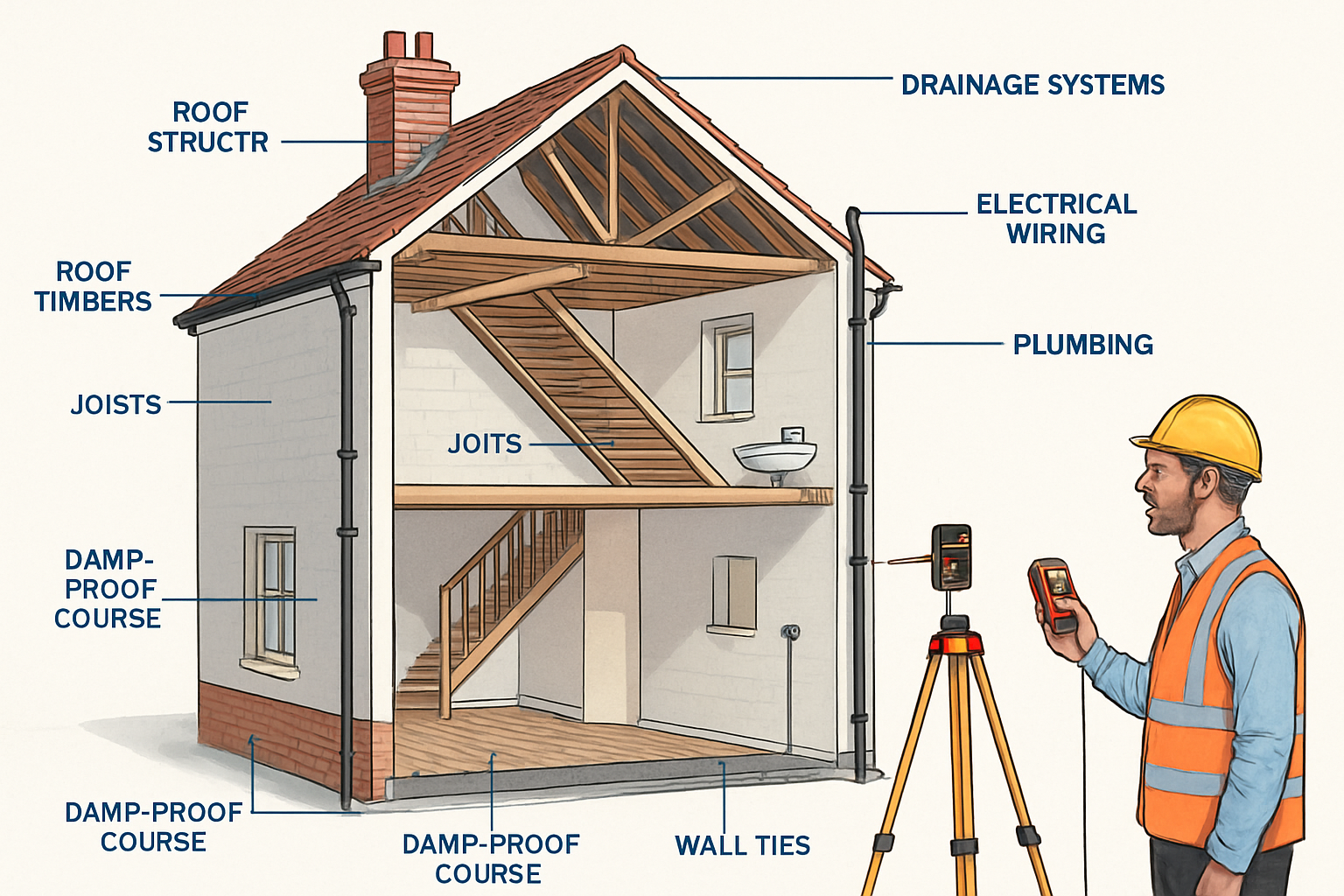
A Level 2 Survey represents the middle tier of property surveys available in the UK, positioned between a basic mortgage valuation and a comprehensive Level 3 Building Survey. The Royal Institution of Chartered Surveyors (RICS) standardized these survey levels in 2016 to help consumers better understand what they’re purchasing[1].
Who Needs a Level 2 Survey?
This survey type suits:
- 🏠 Conventional properties constructed with standard materials and techniques
- 📅 Homes built after 1900 in reasonable condition
- 💰 Properties valued below £1 million in most cases
- ✅ Buyers seeking more than a basic valuation but not requiring invasive investigation
The survey provides a non-invasive visual inspection of accessible areas, meaning surveyors won’t lift floorboards, move furniture, or conduct destructive testing. However, they will examine all visible elements thoroughly and use their professional expertise to identify potential concerns.
What’s in a Level 2 Survey: The Core Components
Understanding the specific sections included in a Level 2 Survey helps buyers know exactly what information they’ll receive and how to interpret it effectively.
1. Property Description and Summary
The opening section provides essential context about the property:
| Element | Details Included |
|---|---|
| Address and Location | Full property address, local area characteristics |
| Property Type | Detached, semi-detached, terraced, flat, bungalow |
| Approximate Age | Construction period and architectural style |
| Construction Type | Wall construction, roof type, foundation style |
| Accommodation | Number of rooms, layout, floor levels |
| Services | Mains water, electricity, gas, drainage systems |
This foundational information establishes the context for understanding the condition findings that follow.
2. The Traffic Light Rating System
What’s in a Level 2 Survey that makes it particularly user-friendly is the condition rating system. Surveyors assign ratings to different building elements using three categories:
Condition Rating 1 (Green) ✅
- No repair currently needed
- Normal maintenance required
- Element performing as intended
- No cause for concern
Condition Rating 2 (Amber) ⚠️
- Defects requiring future repair or replacement
- Significant deterioration noted
- Repairs needed but not urgent
- Should be monitored and planned for
Condition Rating 3 (Red) 🚨
- Serious defects requiring urgent attention
- Structural concerns or safety hazards
- Defects causing or likely to cause problems to other building elements
- Further investigation strongly recommended
- May affect property value significantly
This visual system allows buyers to quickly identify problem areas and prioritize concerns without needing technical expertise.
3. Outside the Property Section
The external inspection covers all visible outside elements:
Chimney Stacks and Flues
- Structural condition and stability
- Pointing and mortar condition
- Flashing and weatherproofing
- Potential for leaks or structural movement
Roof Coverings
- Tile or slate condition
- Missing or slipped coverings
- Ridge and hip tile condition
- Flat roof membrane condition
- Estimated remaining lifespan
Rainwater Pipes and Gutters
- Blockages and overflows
- Leaks and joint failures
- Bracket security
- Drainage effectiveness
Main Walls
- Structural cracks or movement
- Damp penetration
- Render or cladding condition
- Pointing and mortar deterioration
- Wall tie corrosion indicators
Windows and Doors
- Frame condition (wood rot, corrosion)
- Glazing condition
- Opening and closing functionality
- Weather sealing effectiveness
- Security features
Conservatories and Porches
- Structural attachment to main building
- Roof and glazing condition
- Foundation adequacy
- Drainage and weatherproofing
Other External Elements
- Boundary walls and fences
- Paving and drainage
- Outbuildings and garages
- Retaining walls
“The external inspection typically takes 60-90 minutes for an average property, with surveyors using binoculars to examine roof areas and high-level elements without accessing them directly.”
4. Inside the Property Section
The internal inspection examines all accessible interior spaces:
Roof Structure (from inside)
- Timber condition and beetle infestation
- Structural adequacy of rafters and purlins
- Insulation presence and condition
- Ventilation adequacy
- Signs of water penetration
Ceilings
- Cracks indicating structural movement
- Staining from water leaks
- Sagging or deflection
- Plasterwork condition
Walls and Partitions
- Structural cracks
- Damp penetration
- Plaster condition
- Evidence of previous repairs
Floors
- Level and deflection
- Squeaking or movement
- Signs of rot or beetle attack
- Floor covering condition where visible
Fireplaces and Chimneys
- Internal condition
- Flue integrity
- Safety concerns
- Ventilation adequacy
Built-in Fittings
- Kitchen units (condition only, not functionality)
- Bathroom fixtures
- Built-in wardrobes
- General condition assessment
Woodwork and Joinery
- Skirting boards and architraves
- Staircases and balustrades
- Internal doors and frames
- Evidence of rot or beetle infestation
Bathroom and Kitchen Fittings
- General condition observation
- Visible leaks or damage
- Ventilation adequacy
- Note: Surveyors don’t test appliances or plumbing functionality in detail
Dampness
- Rising damp evidence
- Penetrating damp
- Condensation issues
- Moisture meter readings in suspect areas
- Potential causes and sources
5. Services Section
While Level 2 Surveys don’t include detailed testing of services, surveyors provide observations about:
Electricity
- Consumer unit age and type
- Visible wiring condition
- Safety concerns
- Recommendation for electrical safety certificate
Gas
- Visible pipework condition
- Boiler age and general condition
- Recommendation for Gas Safe inspection
Water and Plumbing
- Visible pipework
- Water pressure observations
- Tank and cylinder condition
- Lead pipe identification
Heating
- Boiler type and approximate age
- Radiator condition
- System type (conventional, combi, etc.)
- Recommendation for service inspection
Drainage
- Visible drain covers and gullies
- Signs of blockage or overflow
- Soakaway functionality
- Recommendation for CCTV survey if concerns exist
Important Note: Level 2 Surveys don’t include specialist testing of electrical systems, gas safety, or drainage systems. Surveyors recommend obtaining specialist reports when concerns are identified.
What’s in a Level 2 Survey Report: Additional Sections
Beyond the physical inspection findings, comprehensive Level 2 Survey reports include several crucial additional sections.
6. Legal Issues and Risks
This section highlights matters requiring legal investigation:
- Boundary disputes or unclear boundaries
- Rights of way and access issues
- Shared services with neighboring properties
- Building regulation compliance concerns
- Planning permission questions for extensions or alterations
- Environmental risks such as flooding, subsidence, or contamination
- Japanese knotweed or other invasive species
- Tree preservation orders affecting the property
Surveyors flag these issues for solicitors to investigate during the conveyancing process[2].
7. Risks and Recommendations
The surveyor provides professional opinions about:
Immediate Risks
- Safety hazards requiring urgent attention
- Structural concerns needing immediate remediation
- Elements posing danger to occupants
Further Investigations Needed
- Specialist reports recommended (electrical, structural engineer, damp specialist)
- Areas requiring invasive investigation
- Testing needed before purchase completion
Maintenance Advice
- Regular maintenance tasks to prevent deterioration
- Seasonal maintenance recommendations
- Long-term planning for replacements
8. Estimated Repair Costs
Many Level 2 Surveys now include repair cost estimates for identified defects, categorized as:
- Immediate repairs (Condition 3 items)
- Short-term repairs (1-2 years)
- Long-term maintenance (3-5 years)
These estimates help buyers:
- Negotiate purchase price reductions
- Plan renovation budgets
- Assess true ownership costs
- Make informed decisions about proceeding with purchase
Cost ranges typically appear as brackets (e.g., £500-£1,000 or £5,000-£10,000) rather than precise figures, as detailed quotations require specialist contractor assessments.
9. Market Value and Reinstatement Cost
Market Valuation
The surveyor provides a professional opinion of the property’s market value in its current condition, which helps buyers:
- Confirm they’re not overpaying
- Negotiate with sellers
- Satisfy mortgage lender requirements
Reinstatement Cost
This figure estimates the cost to completely rebuild the property if destroyed (for insurance purposes), typically significantly higher than market value as it includes:
- Total demolition and site clearance
- Complete reconstruction to current building standards
- Professional fees and temporary accommodation
- Debris removal and site restoration
10. Surveyor’s Declaration and Limitations
The final section outlines:
- Areas not inspected due to access limitations
- Weather conditions during inspection
- Furniture and belongings preventing inspection
- Professional indemnity insurance details
- Surveyor qualifications and RICS membership
- Assumptions made during the inspection
- Limitations of the survey scope
Understanding these limitations helps buyers recognize when additional investigations might be necessary.
How Level 2 Surveys Differ from Other Survey Types
To fully appreciate what’s in a Level 2 Survey, it’s helpful to understand how it compares to alternatives:
Level 1 Condition Report (Basic)
Scope: Visual inspection of main elements only
Best for: New or recently built conventional properties in good condition
Cost: £250-£400 typically
Detail level: Minimal, traffic light ratings only, no advice or valuation
Level 2 HomeBuyer Report (Standard)
Scope: Detailed visual inspection of accessible areas
Best for: Conventional properties in reasonable condition
Cost: £400-£800 typically
Detail level: Comprehensive with advice, valuation, and repair recommendations
Level 3 Building Survey (Comprehensive)
Scope: Extensive investigation including invasive inspection where agreed
Best for: Older properties, unusual construction, significant alterations, poor condition
Cost: £600-£1,500+ typically
Detail level: Highly detailed technical report with extensive analysis
Making the Most of Your Level 2 Survey
Once you receive your Level 2 Survey report, typically within 5-7 working days of the inspection, follow these steps:
1. Read the Executive Summary First
Focus on the summary of condition ratings to identify any Condition 3 (urgent) items immediately. This section provides the “headline” findings without technical detail.
2. Review All Condition 3 Items Carefully
Any elements rated Condition 3 require serious consideration:
- Obtain specialist quotes for repairs
- Assess whether defects are deal-breakers
- Calculate impact on your budget
- Consider negotiating price reduction
- Evaluate if you’re prepared to undertake the work
3. Evaluate Condition 2 Items
While not urgent, these items require future attention:
- Add estimated costs to your long-term budget
- Plan for repairs within 2-5 years
- Consider negotiating for significant items
- Factor into your decision-making process
4. Obtain Recommended Specialist Reports
If the surveyor recommends further investigation:
- Electrical Installation Condition Report (EICR) – £150-£300
- Gas Safety Certificate – £60-£100
- Damp and Timber Survey – £200-£400
- Structural Engineer Report – £400-£1,000
- Drainage CCTV Survey – £150-£400
These specialized reports provide detailed analysis beyond the Level 2 Survey scope[3].
5. Discuss with Your Solicitor
Share relevant sections with your conveyancing solicitor, particularly:
- Legal issues flagged
- Boundary concerns
- Rights of way questions
- Building regulation compliance issues
6. Negotiate Based on Findings
Use the survey findings strategically:
- Request price reduction equivalent to repair costs for serious defects
- Ask sellers to complete repairs before completion
- Renegotiate terms if significant unexpected issues emerge
- Walk away if defects are too extensive or costly
“According to industry data, approximately 20% of buyers successfully negotiate price reductions based on Level 2 Survey findings, with average reductions of £3,000-£8,000 for properties with significant defects.”
Common Defects Found in Level 2 Surveys
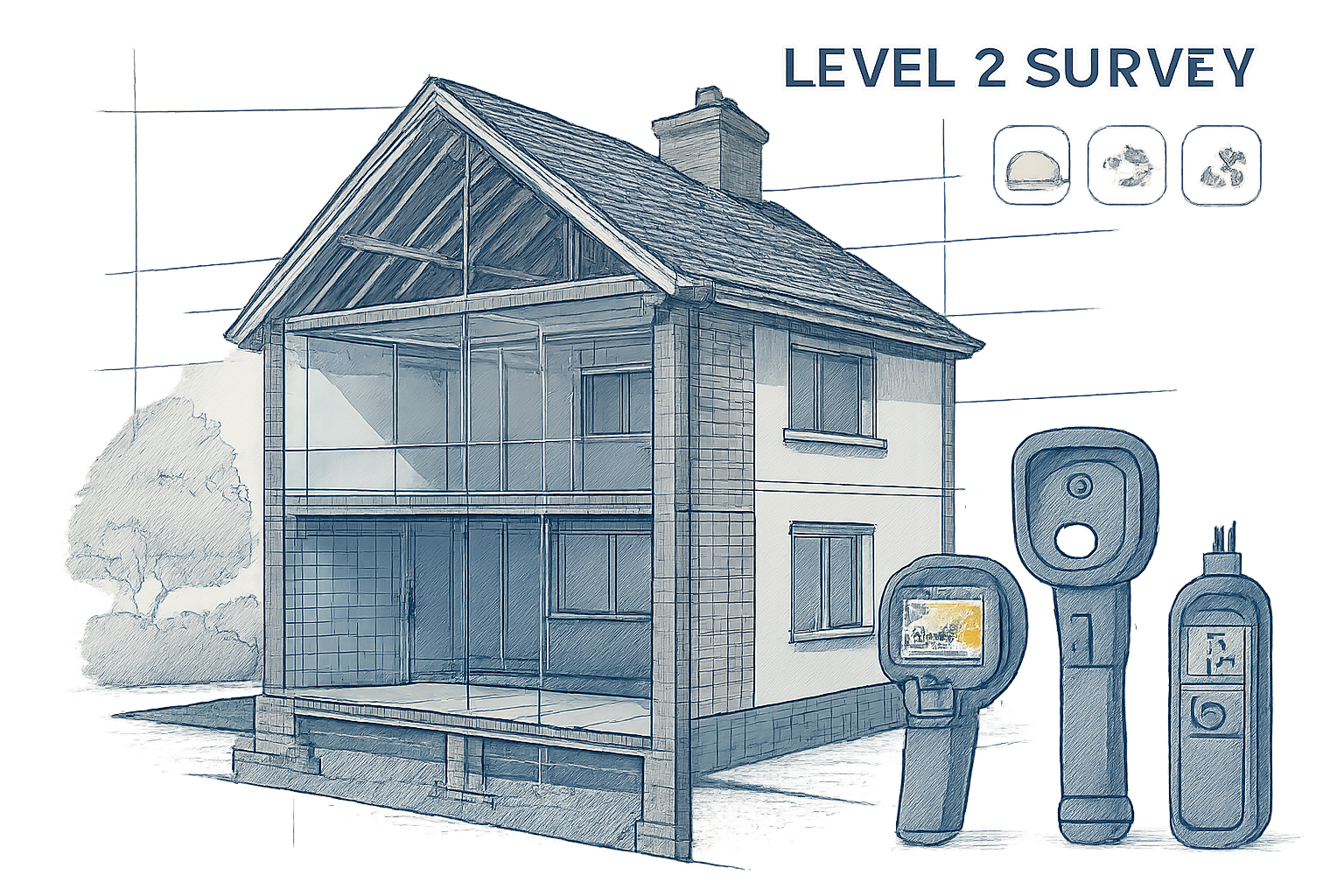
Understanding typical findings helps set realistic expectations:
Most Frequently Identified Issues
1. Dampness (found in ~40% of surveys)
- Rising damp from failed damp-proof courses
- Penetrating damp through walls or roofs
- Condensation from poor ventilation
2. Roof Issues (found in ~35% of surveys)
- Slipped or missing tiles
- Deteriorating flat roof coverings
- Inadequate ventilation
- Aging materials nearing replacement
3. Drainage Problems (found in ~25% of surveys)
- Blocked or damaged gutters
- Cracked or leaking downpipes
- Poor surface water drainage
- Potential subsidence risks
4. Structural Movement (found in ~20% of surveys)
- Historic settlement cracks (usually not serious)
- Ongoing subsidence (serious concern)
- Lintel cracks over windows
- Foundation movement indicators
5. Electrical Concerns (found in ~30% of surveys)
- Outdated wiring systems
- Inadequate earthing
- Old-style fuse boxes
- Lack of RCD protection
6. Timber Defects (found in ~15% of surveys)
- Woodworm infestation
- Wet or dry rot
- Structural timber deterioration
- Inadequate treatment
The Cost and Value of Level 2 Surveys
Typical Costs in 2025
Level 2 Survey costs vary based on:
| Property Value | Typical Survey Cost |
|---|---|
| Up to £250,000 | £400-£550 |
| £250,000-£500,000 | £550-£700 |
| £500,000-£750,000 | £650-£850 |
| £750,000-£1,000,000 | £750-£1,000 |
Additional factors affecting cost:
- Property size (larger properties cost more)
- Location (London and Southeast typically 20-30% higher)
- Surveyor qualifications (more experienced surveyors charge premium rates)
- Additional services (valuation, energy assessment)
Return on Investment
A £600 Level 2 Survey can save thousands by:
- Identifying £15,000 roof replacement needed within 2 years
- Revealing £8,000 rewiring requirement
- Uncovering £12,000 damp remediation costs
- Enabling £10,000 price negotiation
- Preventing purchase of property with £50,000+ structural issues
The survey typically pays for itself many times over through informed decision-making and negotiating power.
Limitations of Level 2 Surveys
Understanding what’s not included helps set appropriate expectations:
What Level 2 Surveys Don’t Include
❌ Invasive investigation – No lifting floorboards, removing fixtures, or destructive testing
❌ Inaccessible areas – Spaces behind furniture, under carpets, or in locked rooms
❌ Specialist testing – No electrical testing, gas safety checks, or drainage CCTV
❌ Detailed cost estimates – Broad ranges rather than precise quotations
❌ Planning or building regulation searches – Legal matters for solicitors
❌ Environmental contamination testing – Specialized surveys required
❌ Asbestos identification – Specialist survey needed for pre-2000 properties
When to Consider a Level 3 Survey Instead
Opt for the more comprehensive Level 3 Building Survey if your property:
- Was built before 1900
- Features unusual construction methods
- Has been significantly altered or extended
- Shows visible signs of serious structural problems
- Is in poor or deteriorating condition
- Will undergo major renovation
- Is a listed building or of special architectural interest
Conclusion: Making Informed Property Decisions
Understanding what’s in a Level 2 Survey empowers homebuyers to make confident, informed decisions about potentially the largest purchase of their lives. This comprehensive inspection report provides essential insights into property condition, identifies hidden defects, highlights safety concerns, and offers professional guidance on repairs and maintenance.
The traffic light rating system makes complex building issues accessible to non-experts, while detailed sections covering external elements, internal features, services, and legal risks ensure no significant aspect goes unexamined. The inclusion of market valuation, repair cost estimates, and professional recommendations transforms the survey from a simple inspection into a powerful decision-making tool.
Your Next Steps
If you’re buying a property:
- Commission a Level 2 Survey for any conventional property built after 1900 in reasonable condition
- Choose a qualified RICS surveyor with good local knowledge and relevant experience
- Read the entire report carefully when received, not just the summary
- Obtain specialist reports for any areas of concern flagged by the surveyor
- Discuss findings with your solicitor to address legal issues identified
- Use the report to negotiate price reductions or repairs before exchange
- Plan your budget based on identified short and long-term maintenance needs
- Keep the report for future reference when selling or renovating
If serious defects are identified:
- Don’t panic – most properties have some issues
- Obtain detailed quotes from qualified contractors
- Assess whether you’re comfortable with the required work
- Consider if the property still represents good value
- Remember you can walk away if defects are too extensive
A Level 2 Survey represents a small investment that protects a large one. The detailed information it provides about property condition, combined with professional valuation and repair recommendations, gives buyers the knowledge needed to proceed with confidence or withdraw before making a costly mistake.
In the complex world of property purchase, knowledge truly is power—and a comprehensive Level 2 Survey delivers exactly that knowledge when you need it most.
References
[1] Royal Institution of Chartered Surveyors (RICS). (2020). “RICS Home Survey Standard.” London: RICS Professional Standards.
[2] HomeOwners Alliance. (2024). “Understanding Home Surveys: A Buyer’s Guide.” London: HomeOwners Alliance Publications.
[3] Which? Consumer Association. (2024). “House Surveys Explained: What You Need to Know.” London: Which? Publishing.
SEO Meta Title and Description
Meta Title: What’s in a Level 2 Survey? Complete Guide 2025
Meta Description: Discover what’s in a Level 2 Survey with our comprehensive guide. Learn about inspection components, condition ratings, costs, and how to use findings effectively.