

The UK property market stands on the brink of its most significant transformation in decades. As 2026 unfolds, proposed government reforms could fundamentally reshape how homes change hands—with mandatory property condition assessments emerging as a potential game-changer for the surveying profession. For chartered surveyors, property buyers, and industry stakeholders, understanding the Government Homebuying Reforms 2026: How Mandatory Property Condition Assessments Will Transform Surveyor Demand and Practice isn't just important—it's essential for strategic planning and professional survival.
The current homebuying process in the UK has long been criticized for its inefficiency, with surveys typically commissioned late in the transaction process, leading to collapsed sales and wasted costs. The proposed reforms aim to address these systemic issues by requiring upfront property condition assessments before properties are marketed. This shift represents a seismic change in timing, methodology, and professional responsibility for surveyors across the nation.
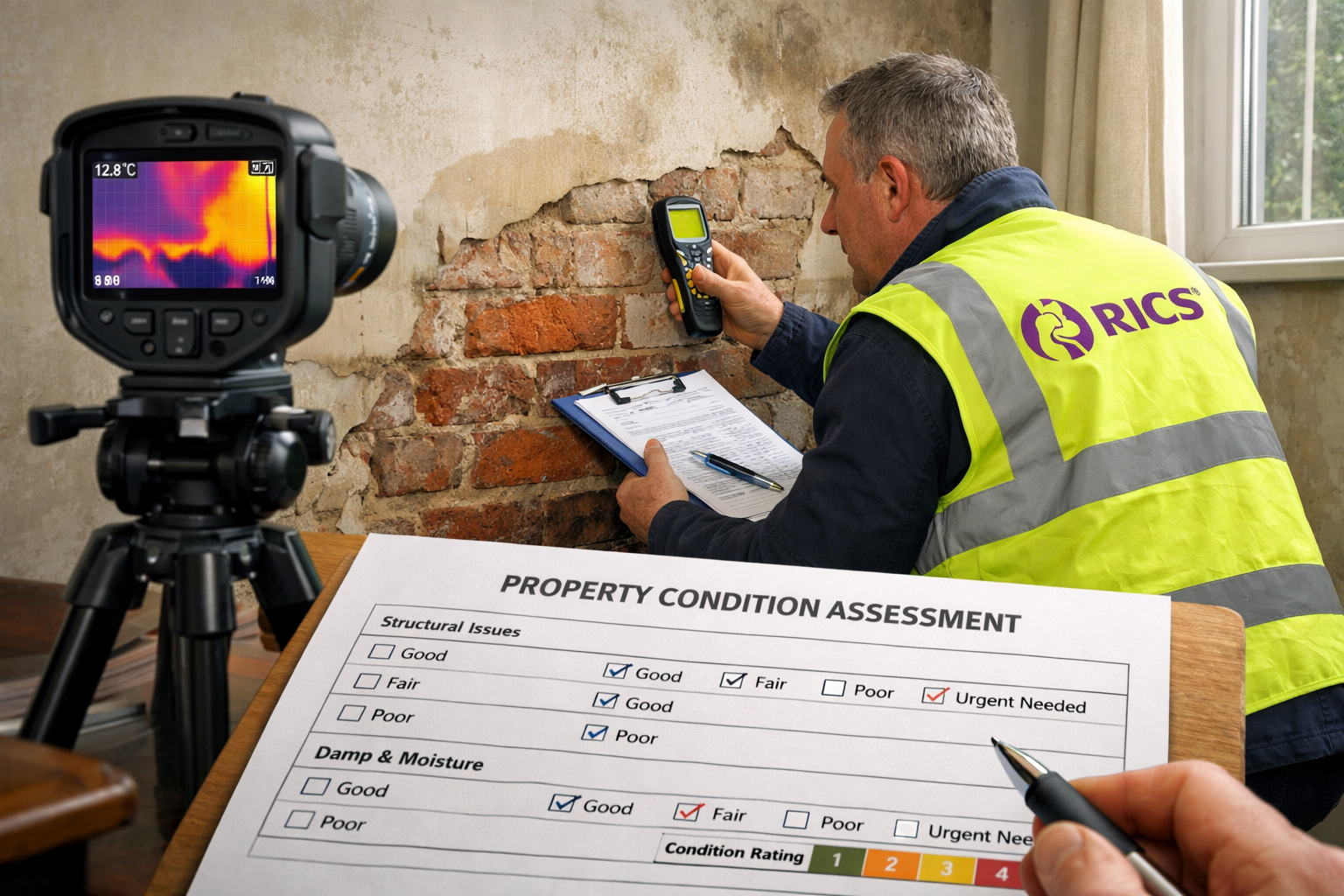
Key Takeaways
- 🏠 Mandatory upfront assessments could become standard before properties are marketed, shifting surveyor involvement to the earliest stages of home sales
- 📈 Surveyor demand projected to increase 40-60% as every property sale requires professional assessment rather than optional buyer surveys
- 💼 Practice management transformation will require investment in digital tools, expanded workforce capacity, and streamlined reporting systems
- ⚡ Faster turnaround expectations mean surveyors must adapt workflows to deliver comprehensive assessments within tighter timeframes
- 🎓 Skills development and specialization become critical as standardized assessment criteria demand consistent, high-quality reporting across the profession
Understanding the Proposed Government Homebuying Reforms 2026
The Current Homebuying Landscape
The traditional UK property transaction process has remained largely unchanged for generations. Buyers typically instruct surveyors only after making an offer and having it accepted—often weeks or months into the process. This late-stage approach creates several problems:
Inefficiency and Delays: Properties can remain under offer for months while surveys, searches, and legal work proceed sequentially rather than concurrently.
Transaction Failures: Approximately 30% of property sales fall through after surveys reveal unexpected defects, wasting time and money for all parties.
Information Asymmetry: Sellers possess significantly more knowledge about their property's condition than buyers, creating an unbalanced negotiating environment.
Repeated Surveys: When sales collapse, the next buyer commissions an entirely new survey, duplicating effort and cost unnecessarily.
What the 2026 Reforms Propose
The government's proposed reforms center on creating a more transparent, efficient property market by requiring mandatory property condition assessments before homes are listed for sale. Key elements include:
✅ Upfront Assessment Requirement: Sellers must commission a standardized property condition report before marketing their property
✅ Standardized Reporting Format: All assessments follow consistent criteria, making property comparisons easier for buyers
✅ Digital Accessibility: Reports are made available to all prospective buyers through a central platform or with property listings
✅ Validity Period: Assessments remain valid for 6-12 months, reducing the need for repeated surveys during the marketing period
✅ Professional Standards: Only qualified chartered surveyors can conduct these mandatory assessments, ensuring quality and accountability
This approach mirrors successful models in other countries, particularly Scotland's Home Report system, which has operated since 2008 with measurable improvements in transaction speed and transparency.
How Government Homebuying Reforms 2026 Will Impact Surveyor Demand
Quantifying the Demand Surge
The shift from optional buyer surveys to mandatory seller assessments represents a fundamental change in market dynamics. Currently, only 60-70% of property transactions involve professional surveys, with many first-time buyers or cash purchasers skipping this step to save costs.
Under mandatory assessment requirements, 100% of properties entering the market would require professional surveyor involvement. The mathematics are compelling:
| Current Market | Reformed Market | Increase |
|---|---|---|
| ~1.2 million annual transactions | ~1.2 million annual transactions | – |
| 60-70% survey uptake | 100% mandatory assessment | +30-40% |
| 720,000-840,000 surveys | 1,200,000 assessments | +360,000-480,000 |
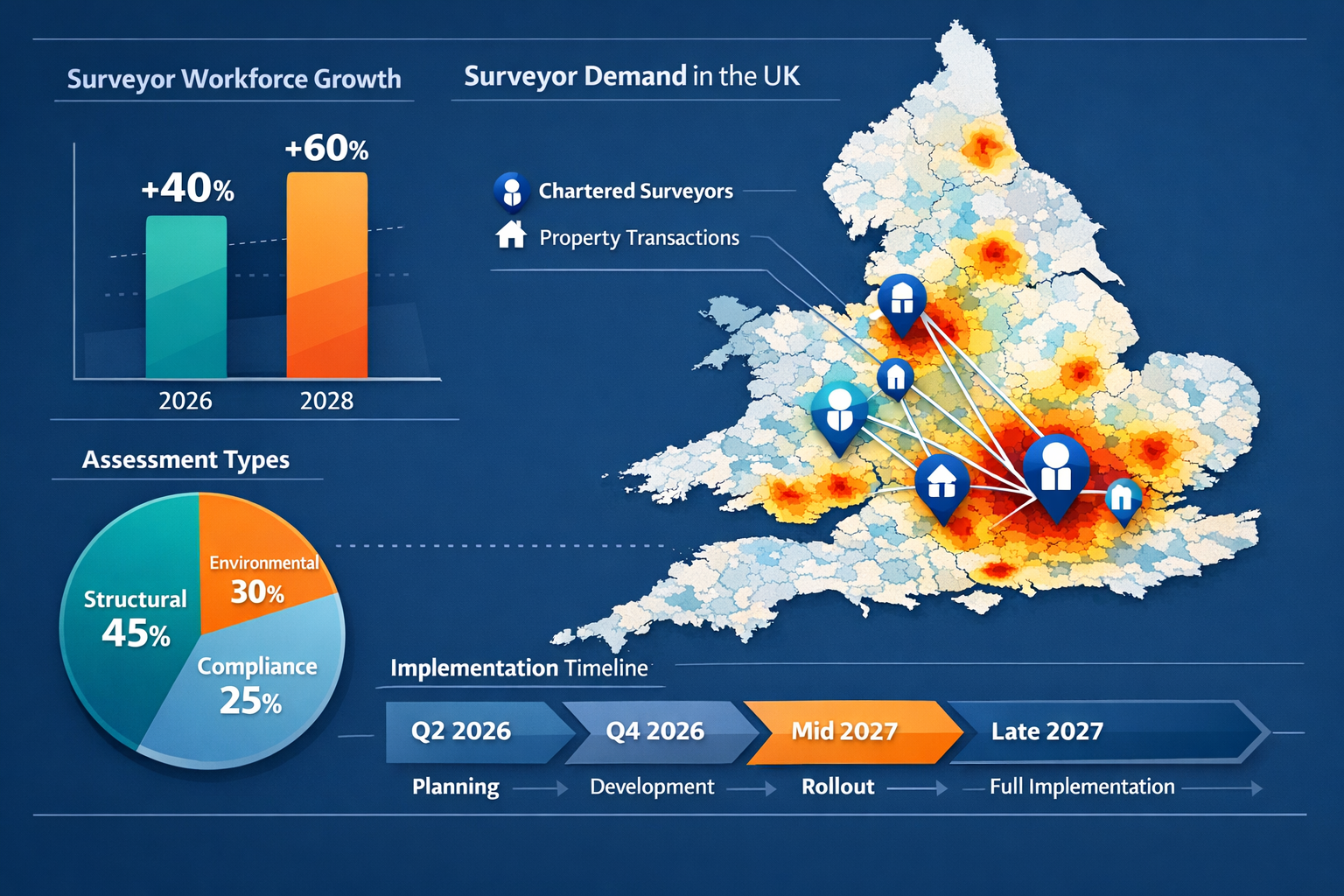
This represents a potential 40-60% increase in surveyor workload across the industry, not accounting for market growth or additional re-assessments for properties that remain unsold beyond the validity period.
Regional Demand Variations
The impact won't be uniform across the UK. High-transaction-volume areas will experience the most acute demand pressures:
🏙️ London and South East: These regions account for approximately 35% of UK property transactions. Chartered surveyors in Central London and surrounding areas will face the greatest capacity challenges.
🏘️ Commuter Belt: Areas like Hemel Hempstead, St Albans, and Enfield will see sustained high demand due to active property markets.
🌊 Coastal and Rural Areas: Regions like Sussex and Hampshire may experience seasonal demand spikes aligned with traditional property market peaks.
Specialized Assessment Requirements
Beyond volume increases, the reforms will likely drive demand for specialized surveying expertise:
Heritage and Period Properties: Older homes with unique construction methods require surveyors with specific knowledge of traditional building techniques and common defects in older homes.
Complex Roof Systems: Properties with flat roofs, multiple valleys, or historic roof structures will need specialist roofing surveyors to properly assess condition and remaining lifespan.
Environmental Concerns: Assessments must identify environmental issues including contamination, flood risk, and energy efficiency considerations.
Structural Complexity: Properties with extensions, conversions, or structural alterations require thorough evaluation similar to Level 3 building surveys.
Transforming Surveyor Practice Under the New Reforms
Workflow and Process Adaptations
The shift from reactive buyer surveys to proactive seller assessments demands fundamental changes in how surveying practices operate:
⏰ Appointment Scheduling: Rather than responding to buyer-initiated survey requests, practices must develop relationships with estate agents, property developers, and sellers to secure assessment appointments before properties are marketed.
📋 Standardized Methodology: While current surveys range from basic Level 2 surveys to comprehensive Level 3 full building surveys, mandatory assessments will follow prescribed formats balancing thoroughness with efficiency.
⚡ Turnaround Time Pressures: Sellers wanting to list properties quickly will expect faster report delivery—potentially 3-5 working days rather than the current 7-10 day standard for comprehensive surveys.
💻 Digital Integration: Reports must be formatted for digital distribution, with clear visual elements, photographs, and standardized rating systems that non-technical buyers can easily understand.
Technology Investment Requirements
Successful adaptation to the reformed market will require significant technology investments:
📱 Mobile Survey Applications: Digital data capture tools that allow surveyors to record findings, take photographs, and generate preliminary reports on-site using tablets or smartphones.
🔍 Advanced Diagnostic Equipment: Thermal imaging cameras, moisture meters, and other diagnostic tools become essential rather than optional, enabling thorough assessment within compressed timeframes.
☁️ Cloud-Based Reporting Systems: Platforms that facilitate rapid report generation, quality control review, and secure digital delivery to multiple parties simultaneously.
📊 Practice Management Software: Sophisticated scheduling, workflow management, and capacity planning tools to handle increased volume without compromising quality.
🔗 Integration with Property Platforms: Systems that connect directly with property listing websites and legal conveyancing platforms for seamless information sharing.
Staffing and Capacity Planning
The 40-60% demand increase cannot be absorbed without strategic workforce expansion:
Recruitment Challenges: The surveying profession already faces skills shortages. Practices must compete for qualified RICS chartered surveyors in a tightening labor market.
Training Investments: Junior surveyors and graduate trainees require structured development programs to build competence in standardized assessment methodologies.
Flexible Workforce Models: Part-time surveyors, associate arrangements, and regional networks allow practices to scale capacity without excessive fixed overhead.
Quality Control Systems: Higher volumes increase the risk of errors or inconsistencies. Robust internal review processes become essential to maintain professional standards.
Specialization vs. Generalization: Practices must decide whether to develop broad capability across all property types or specialize in specific niches (period properties, new builds, commercial conversions).
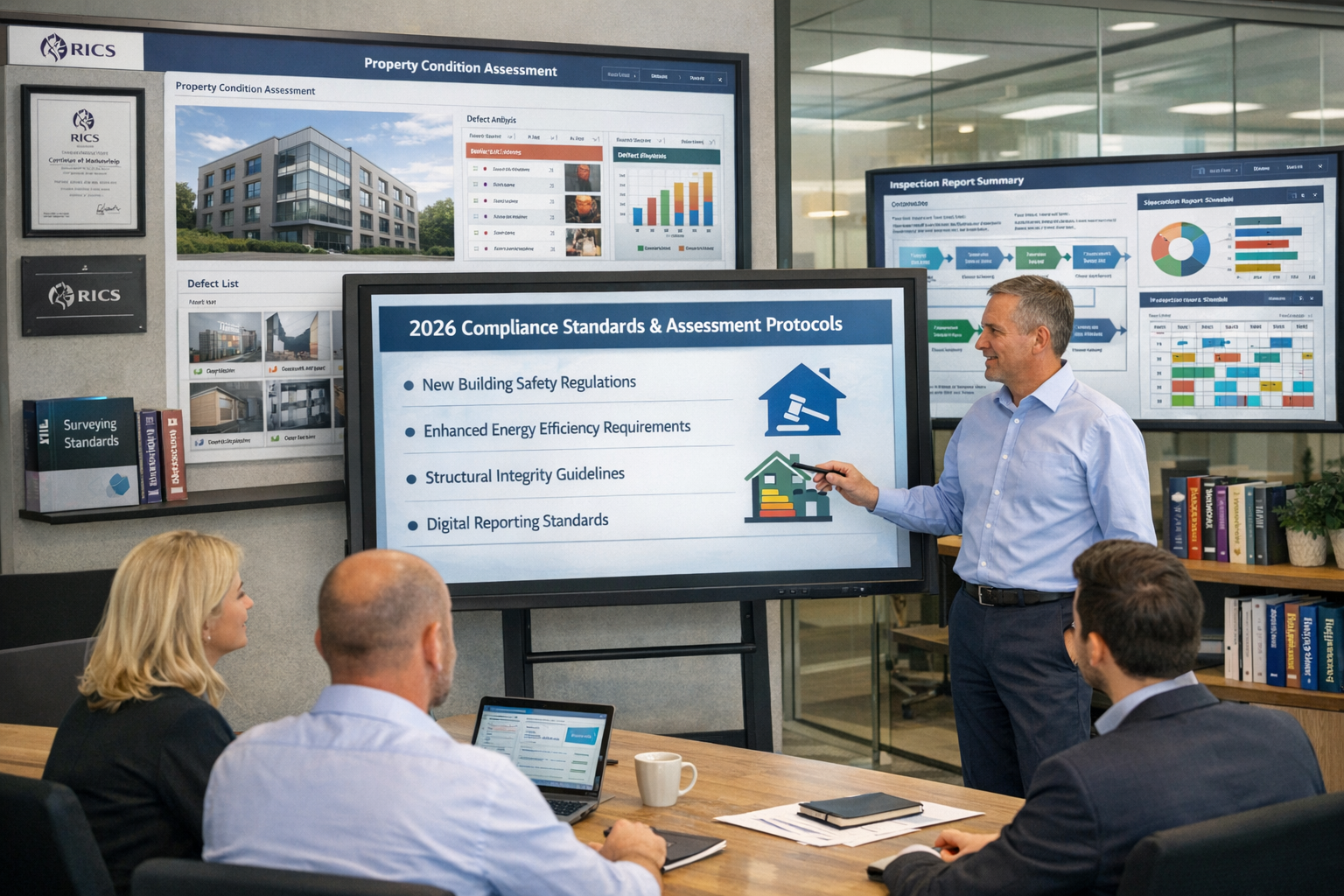
Government Homebuying Reforms 2026: Strategic Implications for Surveying Practices
Pricing Strategy Considerations
Mandatory assessments create a fundamentally different pricing environment:
Market-Driven Pricing: When buyers commission surveys, they're willing to pay premium prices for comprehensive analysis. Seller-commissioned assessments face greater price sensitivity, as sellers seek to minimize upfront costs.
Volume Discounts: Estate agencies and property developers may negotiate bulk assessment agreements, requiring practices to balance volume against margin.
Tiered Service Models: Offering basic mandatory assessments alongside optional enhanced reports allows practices to meet regulatory requirements while capturing additional revenue from buyers seeking deeper analysis.
Geographic Pricing: High-demand areas may support premium pricing, while competitive markets require more aggressive positioning.
Liability and Professional Indemnity
The shift in who commissions assessments creates new liability considerations:
⚖️ Multiple Reliance Parties: Unlike traditional buyer surveys where liability is primarily to the commissioning party, mandatory assessments may be relied upon by sellers, buyers, lenders, and legal representatives.
📄 Professional Indemnity Insurance: Increased exposure requires higher coverage limits and potentially specialized policy terms addressing the unique risks of mandatory assessments.
🛡️ Limitation of Liability Clauses: Clear terms of engagement defining scope, limitations, and liability caps become essential to manage risk exposure.
📅 Extended Liability Periods: If assessments remain valid for 6-12 months, surveyors face potential claims relating to conditions that may have changed since the inspection date.
Competitive Positioning
The reformed market will reward practices that adapt quickly and strategically:
🏆 First-Mover Advantages: Early adopters of efficient digital workflows and standardized processes can capture market share before competitors adjust.
🤝 Strategic Partnerships: Relationships with estate agencies, property developers, and conveyancing firms provide consistent work streams and competitive advantages.
⭐ Brand Differentiation: Practices known for rapid turnaround, comprehensive reporting, or specific expertise can command premium positioning despite commodity pricing pressures.
📍 Geographic Expansion: Successful practices may expand into adjacent regions to capitalize on demand surges, particularly in high-transaction areas like Richmond, Putney, and Hammersmith.
Preparing for the Transition: Action Steps for Surveyors
Immediate Preparatory Actions (2026)
Even before reforms are finalized and implemented, forward-thinking surveyors should take preparatory steps:
1. Skills Audit and Gap Analysis: Assess current team capabilities against likely mandatory assessment requirements. Identify training needs and recruitment priorities.
2. Technology Evaluation: Research and trial digital survey tools, reporting platforms, and workflow management systems. Budget for necessary investments.
3. Process Documentation: Map current survey workflows and identify bottlenecks or inefficiencies that would be magnified under higher volume conditions.
4. Stakeholder Engagement: Build relationships with estate agents, property developers, and legal firms who will become key referral sources under the new system.
5. Financial Modeling: Project revenue impacts, cost implications, and capacity requirements under various demand scenarios to inform strategic planning.
Medium-Term Adaptation (2026-2027)
As reforms are implemented, practices must execute their adaptation strategies:
📚 Standardization Development: Create templates, checklists, and standardized procedures that ensure consistent quality while maximizing efficiency.
👥 Workforce Expansion: Recruit and train additional surveyors, with particular focus on building survey expertise and condition assessment skills.
💻 Technology Deployment: Implement chosen digital platforms, train staff thoroughly, and refine workflows based on real-world experience.
📣 Marketing and Communication: Educate sellers, estate agents, and other stakeholders about the value of professional assessments and your practice's capabilities.
🔄 Quality Assurance: Establish robust internal review processes to maintain standards despite increased volume pressures.
Long-Term Strategic Positioning (2027+)
Once the reformed market stabilizes, successful practices will focus on sustainable competitive advantages:
🎓 Continuous Professional Development: Invest in ongoing training to maintain expertise as assessment standards evolve and new building technologies emerge.
📊 Data and Analytics: Leverage accumulated assessment data to develop insights into property condition trends, defect patterns, and risk factors that inform superior reporting.
🌐 Digital Presence: Build strong online visibility through educational content, client testimonials, and search optimization to capture direct seller inquiries.
🤝 Service Diversification: Expand into complementary services like property development consultancy, valuations, and specialist assessments.
🔍 Specialization Excellence: Develop recognized expertise in specific property types, construction eras, or assessment challenges that command premium positioning.
Challenges and Considerations in the Reformed Market
Potential Implementation Obstacles
While the benefits of mandatory assessments are clear, several challenges may complicate implementation:
⏱️ Transition Period Disruption: The shift from the current system to mandatory assessments will create temporary market confusion and potential capacity mismatches.
💰 Cost Burden on Sellers: Requiring sellers to fund upfront assessments may discourage some property sales or lead to pressure for minimal-cost assessments that compromise quality.
📏 Standardization vs. Property Diversity: Creating assessment standards that work equally well for modern apartments, Victorian terraces, and rural cottages presents significant challenges.
🔄 Update Requirements: Properties remaining unsold beyond the assessment validity period require re-inspection, creating additional costs and logistical complexity.
⚖️ Dispute Resolution: Disagreements about assessment findings, property condition changes, or report accuracy will require clear resolution mechanisms.
Quality Control Concerns
Rapid market expansion and volume pressures create quality risks:
📉 Race to the Bottom: Competitive pricing pressure may incentivize rushed inspections or superficial reporting that undermines the reforms' objectives.
👨🎓 Skills Dilution: Rapid workforce expansion may bring less experienced surveyors into the market before they've developed sufficient expertise.
🤖 Over-Reliance on Technology: Digital tools enhance efficiency but shouldn't replace professional judgment and thorough physical inspection.
📋 Template Fatigue: Standardized formats risk becoming formulaic, with surveyors failing to adequately address property-specific issues.
🛡️ Professional Standards Enforcement: RICS and other regulatory bodies must maintain rigorous oversight to ensure consistent quality across the expanded market.
Market Adaptation Uncertainties
Several aspects of market response remain uncertain:
🏠 Seller Behavior: Will sellers embrace upfront assessments as valuable marketing tools, or resist them as unwanted costs?
👥 Buyer Trust: Will buyers accept seller-commissioned assessments, or continue commissioning their own surveys for independent verification?
🏦 Lender Requirements: How will mortgage lenders adapt their valuation requirements in light of mandatory condition assessments?
⚖️ Legal Framework: What liability protections and dispute resolution mechanisms will emerge to support the new system?
📈 Market Dynamics: Will mandatory assessments genuinely accelerate transactions and reduce fall-through rates as intended?
Conclusion: Embracing Transformation in the Surveying Profession
The Government Homebuying Reforms 2026: How Mandatory Property Condition Assessments Will Transform Surveyor Demand and Practice represents both significant challenge and tremendous opportunity for the surveying profession. Mandatory property condition assessments will fundamentally reshape when, how, and why surveyors engage with the property market—shifting from reactive buyer services to proactive seller requirements that touch virtually every property transaction.
For chartered surveyors and surveying practices, success in this transformed landscape requires strategic foresight, operational agility, and sustained investment in technology, workforce development, and process optimization. The practices that thrive will be those that recognize these reforms not as regulatory burden, but as catalyst for professional growth and enhanced market relevance.
Key Success Factors
✅ Early Preparation: Begin adapting workflows, investing in technology, and building capacity before reforms are fully implemented
✅ Quality Commitment: Resist competitive pressures that compromise thoroughness—professional reputation remains the most valuable asset
✅ Strategic Partnerships: Develop strong relationships with estate agents, developers, and legal firms who become key referral sources
✅ Continuous Learning: Stay current with evolving standards, emerging building technologies, and best practices in condition assessment
✅ Client Education: Help sellers and buyers understand the value of professional assessments beyond mere regulatory compliance
Next Steps for Surveying Professionals
📅 Monitor Reform Progress: Stay informed about legislative developments, implementation timelines, and regulatory guidance as reforms advance through 2026.
🔍 Assess Your Practice: Conduct honest evaluation of current capabilities, capacity constraints, and competitive positioning relative to reform requirements.
💼 Develop Your Strategy: Create detailed plans addressing technology investment, workforce expansion, process optimization, and market positioning.
🤝 Engage Your Network: Participate in professional associations, industry discussions, and stakeholder consultations to shape reform implementation.
📈 Invest in Growth: Commit resources to the technology, training, and infrastructure needed to capitalize on expanding market demand.
The transformation ahead is substantial, but the surveying profession has weathered significant changes before—from the introduction of RICS standards to the digitalization of reporting. Those who approach the Government Homebuying Reforms 2026 with strategic vision, professional excellence, and adaptive capacity will find themselves well-positioned for sustained success in a reformed property market that finally recognizes the essential value of thorough, professional property condition assessment.
For surveyors seeking to understand how these reforms might impact specific aspects of their practice—from understanding different survey levels to preparing comprehensive condition survey reports—now is the time to deepen expertise and prepare for the opportunities ahead.