

Get an Independent Property Valuation on Your Property: The Complete 2025 Guide
Imagine discovering your property is worth $50,000 more than you thought—or worse, learning you’ve been paying inflated property taxes for years based on an inaccurate valuation. Property valuations shape some of life’s most significant financial decisions, from securing loans and settling estates to negotiating fair divorce settlements. Yet many property owners rely solely on estimates from interested parties like banks or real estate agents, potentially leaving thousands of dollars on the table. When you get an independent property valuation on your property, you’re investing in an unbiased, professional assessment that protects your financial interests and provides peace of mind during critical transactions.
Key Takeaways
- Independent property valuations provide unbiased assessments from certified professionals with no financial interest in your property’s outcome, unlike bank or agent estimates
- Multiple scenarios require independent valuations, including refinancing, divorce settlements, estate planning, tax disputes, and pre-sale preparation
- Professional valuers follow strict methodologies combining comparative market analysis, property inspections, and current market conditions to determine accurate values
- Costs typically range from $300-$600 for residential properties, with prices varying based on property type, location, and complexity
- Choosing a certified, experienced valuer with relevant qualifications and professional indemnity insurance ensures reliable, legally defensible results
Understanding What an Independent Property Valuation Really Means
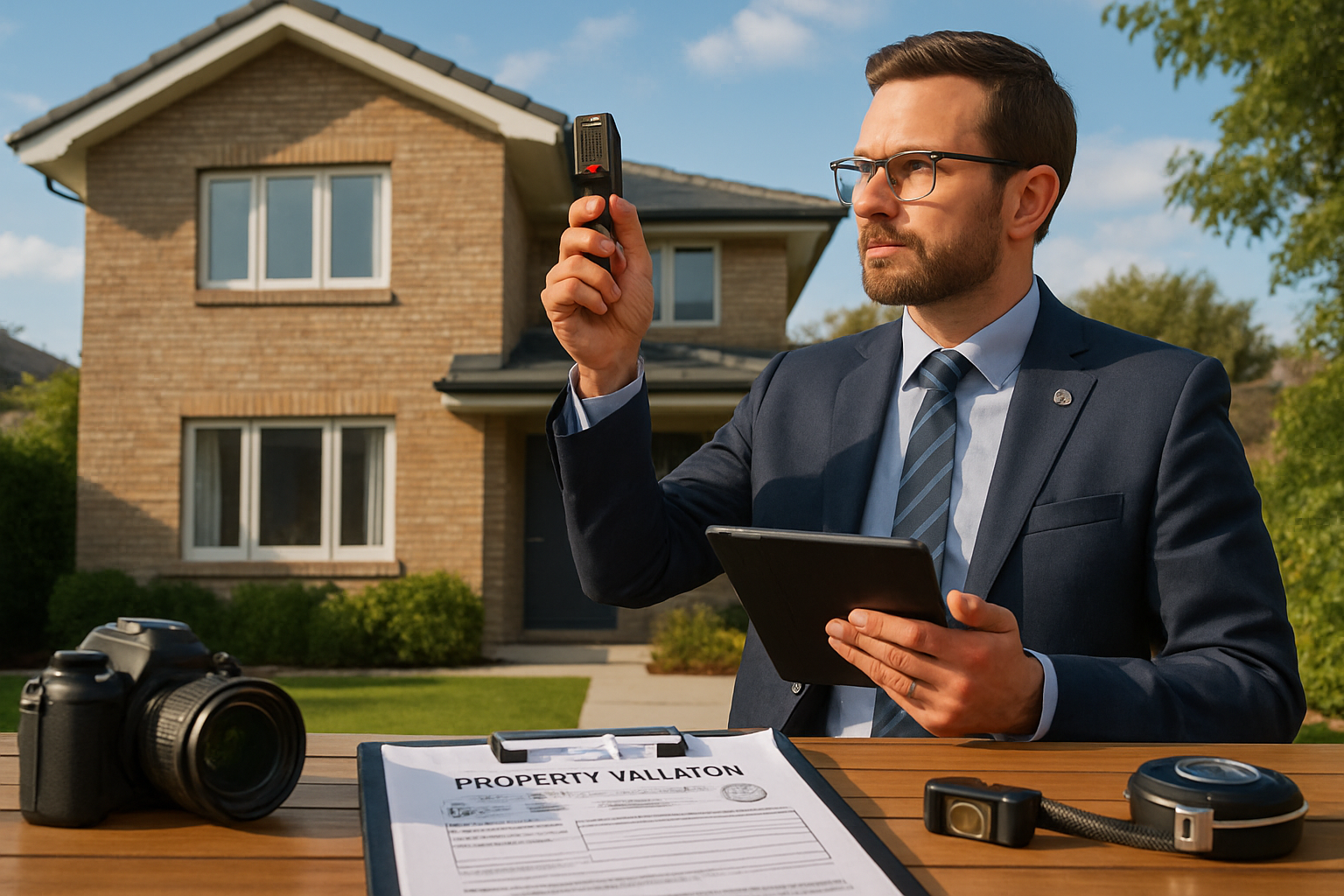
An independent property valuation represents a professional, objective assessment of your property’s current market value conducted by a qualified, certified valuer who has no financial stake in the outcome. Unlike estimates provided by real estate agents seeking listings or bank valuations designed to protect lender interests, an independent valuation serves solely to determine the true market value of your property[1].
The key distinction lies in impartiality. When you get an independent property valuation on your property, the valuer operates without conflicts of interest, following strict professional standards and ethical guidelines established by industry bodies. This independence ensures the assessment reflects genuine market conditions rather than serving any party’s agenda.
Core Components of Professional Property Valuations
Professional valuers examine multiple factors when assessing property value:
- Physical property characteristics (size, condition, age, construction quality)
- Location attributes (neighborhood desirability, proximity to amenities, school zones)
- Comparative market analysis (recent sales of similar properties)
- Current market conditions (supply and demand dynamics, economic trends)
- Legal considerations (zoning, easements, building restrictions)
- Income potential (for investment properties)
The valuer compiles these elements into a comprehensive written report that provides defensible, evidence-based value conclusions suitable for legal, financial, and personal decision-making purposes[2].
Why You Need to Get an Independent Property Valuation on Your Property
The decision to obtain an independent valuation extends far beyond simple curiosity about your property’s worth. Strategic property valuations serve as financial safeguards during life’s most consequential moments.
Financial and Legal Protection
Independent valuations protect property owners from:
- Overpaying property taxes based on inflated council valuations
- Accepting undervalued settlement offers during divorce or estate distribution
- Securing insufficient insurance coverage that leaves you vulnerable after disasters
- Making uninformed selling decisions that cost tens of thousands in lost equity
- Loan rejections or unfavorable terms due to inaccurate value estimates
“An independent property valuation is not an expense—it’s an investment in financial certainty that often pays for itself many times over through better decision-making and negotiating power.” — Australian Property Institute
Common Scenarios Requiring Independent Valuations
Refinancing and Loan Applications: Lenders require valuations to determine loan-to-value ratios, but their valuations often lean conservative to protect their interests. An independent valuation provides leverage when negotiating better loan terms or challenging unfavorable bank assessments[3].
Divorce and Family Law Settlements: Property division represents one of the most contentious aspects of separation. Independent valuations provide neutral ground for fair asset distribution, reducing conflict and ensuring equitable outcomes for both parties.
Estate Planning and Probate: Accurate property valuations ensure fair inheritance distribution among beneficiaries and help executors fulfill their fiduciary duties. They also establish cost bases for capital gains tax calculations when heirs eventually sell inherited properties.
Tax Disputes and Appeals: When you believe your property’s council valuation is excessive, an independent assessment provides the evidence needed to challenge assessments and potentially reduce ongoing tax obligations.
Pre-Sale Preparation: Understanding your property’s true market value before listing helps set realistic price expectations, develop effective marketing strategies, and recognize when offers represent genuine value versus lowball attempts.
The Independent Property Valuation Process Explained
Understanding the valuation process demystifies what to expect when you get an independent property valuation on your property and helps you prepare adequately.
Step 1: Initial Consultation and Engagement
The process begins with contacting a licensed valuer and discussing your specific needs. During this consultation, you’ll provide:
- Property address and basic details
- Purpose of the valuation
- Required completion timeframe
- Any special considerations or concerns
The valuer will explain their methodology, provide a fee quote, and outline what documentation you should prepare.
Step 2: Property Inspection
The valuer conducts a thorough on-site inspection, typically lasting 30-60 minutes for residential properties. This inspection is comprehensive, covering:
| Inspection Area | What Valuers Examine |
|---|---|
| Exterior | Building condition, materials, landscaping, street appeal, parking facilities |
| Interior | Room sizes, layout, finishes, fixtures, overall condition, renovations |
| Structural | Foundation, walls, roof, drainage, potential defects or maintenance issues |
| Improvements | Additions, renovations, pools, sheds, other value-adding features |
| Surroundings | Views, noise levels, neighboring properties, local amenities |
Valuers document findings through photographs, measurements, and detailed notes that form the foundation of their analysis.
Step 3: Market Research and Analysis
Following the inspection, valuers conduct extensive research into:
- Recent comparable sales (typically within 3-6 months in the same area)
- Current listings and market absorption rates
- Historical price trends for the suburb and property type
- Economic indicators affecting local property markets
- Development plans that might impact future values
This research phase distinguishes professional valuations from simple automated estimates, as valuers apply expert judgment to weight various factors appropriately[4].
Step 4: Valuation Report Preparation
The final deliverable is a comprehensive written report containing:
✅ Property description and details
✅ Valuation methodology explanation
✅ Comparable sales analysis with justifications
✅ Market conditions assessment
✅ Final value conclusion with supporting evidence
✅ Photographs and property plans
✅ Valuer’s credentials and certification
✅ Limiting conditions and assumptions
Professional reports typically range from 15-30 pages for residential properties, providing thorough documentation that withstands legal scrutiny if challenged.
How Independent Valuations Differ from Other Property Assessments
Many property owners confuse independent valuations with other types of property assessments. Understanding these distinctions helps you choose the appropriate service for your needs.
Independent Valuation vs. Bank Valuation
Bank valuations serve the lender’s interests, focusing on risk mitigation rather than determining true market value. Banks often use panel valuers who work quickly and conservatively, potentially undervaluing properties to protect the lending institution. These valuations remain the bank’s property, and homeowners typically cannot use them for other purposes.
Independent valuations work for you, providing comprehensive analysis without conservative bias. You own the report and can use it for multiple purposes, from challenging bank assessments to supporting legal proceedings.
Independent Valuation vs. Real Estate Agent Appraisal
Real estate agents provide free “appraisals” when seeking listings, but these estimates carry inherent conflicts of interest. Agents may inflate values to win your business, then recommend price reductions once listed. They lack formal valuation qualifications and don’t follow standardized methodologies.
Independent valuers hold professional certifications, carry professional indemnity insurance, and follow strict industry standards. Their reputations depend on accuracy, not securing listings[5].
Independent Valuation vs. Automated Valuation Models (AVMs)
Online property estimate tools use algorithms analyzing sales data and property characteristics. While convenient and free, AVMs:
- Cannot assess property condition or unique features
- Miss recent renovations or improvements
- Fail to account for micro-market variations
- Lack legal defensibility for formal purposes
- Show accuracy variations of 10-20% or more
Independent valuations incorporate nuanced judgment that algorithms cannot replicate, particularly for unique properties or rapidly changing markets.
Choosing the Right Professional to Get an Independent Property Valuation on Your Property
The quality of your valuation depends entirely on the expertise and integrity of the professional you engage. Not all valuers offer equal capabilities, making careful selection essential.
Essential Qualifications and Certifications
Look for valuers holding credentials from recognized professional bodies:
- Certified Practicing Valuer (CPV) from the Australian Property Institute (API)
- Registered Valuer status in your state or territory
- Relevant tertiary qualifications in property, valuation, or related fields
- Continuing professional development compliance demonstrating current knowledge
These credentials ensure valuers meet minimum competency standards and adhere to professional codes of conduct[6].
Experience and Specialization Matters
Property valuation encompasses diverse specializations. When selecting a valuer, consider:
🏠 Property type expertise (residential, commercial, rural, industrial)
📍 Local market knowledge (familiarity with your specific area)
⚖️ Purpose-specific experience (family law, tax disputes, lending)
📊 Track record (years in practice, volume of valuations completed)
A valuer who regularly works in your suburb with your property type will provide more accurate assessments than generalists unfamiliar with local market nuances.
Professional Indemnity Insurance
Reputable valuers carry substantial professional indemnity insurance protecting clients if valuations prove negligent or inaccurate. Verify insurance coverage before engaging any valuer, as this protection provides recourse if problems arise.
Red Flags to Avoid
Steer clear of valuers who:
- ❌ Quote values before inspecting the property
- ❌ Guarantee specific value outcomes
- ❌ Charge fees based on the valuation amount
- ❌ Cannot provide professional credentials
- ❌ Lack local market experience
- ❌ Offer suspiciously low fees suggesting rushed work
What Independent Property Valuations Cost in 2025
Understanding valuation costs helps budget appropriately and recognize when fees seem unreasonable.
Typical Fee Ranges
| Property Type | Standard Fee Range | Factors Affecting Cost |
|---|---|---|
| Standard Residential | $300-$600 | Location, property size, complexity |
| Prestige Residential | $600-$1,200 | Unique features, larger land area |
| Units/Apartments | $250-$500 | Simpler comparables, smaller spaces |
| Commercial | $800-$2,500+ | Income analysis, specialized knowledge |
| Rural/Acreage | $600-$1,500+ | Travel time, specialized expertise |
These ranges reflect typical 2025 market rates in major Australian cities. Regional areas may see slightly lower fees, while remote locations might incur travel surcharges[7].
What Influences Valuation Costs
Several factors determine final fees:
- Property complexity (unique features, heritage listings, multiple dwellings)
- Urgency (rush fees for expedited reports)
- Report detail level (full narrative vs. short-form reports)
- Purpose (family law valuations often require more detailed analysis)
- Travel requirements (distance from valuer’s office)
Value for Money Considerations
The cheapest valuation rarely represents the best value. Consider:
- Accuracy and defensibility if challenged
- Comprehensiveness of research and analysis
- Valuer’s qualifications and experience
- Turnaround time meeting your deadlines
- Professional presentation and documentation
A $400 valuation that accurately reflects your property’s $850,000 value provides far better value than a $250 assessment that undervalues it by $50,000, costing you negotiating power or actual money in transactions.
Preparing Your Property for Valuation Success
While valuers assess properties in their current state, strategic preparation ensures they see your property at its best and don’t overlook value-adding features.
Documentation to Prepare
Gather relevant property documentation before the valuation:
- 📄 Title documents and property certificates
- 🔨 Building and renovation approvals with completion certificates
- 💰 Recent rates notices and water bills
- 📐 Property plans and survey documents
- 🏗️ Warranties for major improvements (roof, heating/cooling, etc.)
- 🌳 Pool compliance certificates and safety documentation
This documentation helps valuers verify improvements and understand the property’s legal status.
Property Presentation Tips
First impressions influence valuations, even for experienced professionals. Simple preparation steps include:
✨ Thorough cleaning throughout interior and exterior
🌿 Basic landscaping (mowing, weeding, trimming)
🔧 Minor repairs (fixing leaky taps, replacing broken fixtures)
💡 Adequate lighting (opening curtains, turning on lights)
🚗 Clear access (ensuring valuers can inspect all areas easily)
🗑️ Decluttering (removing excess personal items)
These efforts don’t artificially inflate values but ensure valuers see the property’s true condition rather than being distracted by temporary neglect.
What Not to Do
Avoid these common mistakes:
- Major renovations immediately before valuation (may not add equivalent value)
- Hiding defects or problems (valuers will discover them anyway)
- Hovering during inspection (let valuers work independently)
- Providing unsolicited value opinions (can appear defensive)
- Withholding access to areas (raises red flags)
Using Your Independent Property Valuation Effectively
Once you receive your valuation report, understanding how to leverage it maximizes your investment.
Challenging Unfavorable Outcomes
If the valuation seems unexpectedly low, don’t immediately assume it’s wrong. Professional valuers base conclusions on market evidence. However, legitimate grounds for questioning include:
- Factual errors about property features or condition
- Overlooked recent comparable sales
- Inappropriate comparable selections
- Misunderstanding of property improvements
- Calculation errors in the analysis
Contact the valuer to discuss concerns professionally. Reputable professionals will review their work and make corrections if warranted.
Negotiating with Financial Institutions
Independent valuations provide leverage when bank valuations seem conservative. Present your independent assessment with:
- Professional credentials of your valuer
- Comparative analysis highlighting differences
- Additional market evidence supporting higher values
- Willingness to obtain second opinions if necessary
Banks sometimes reconsider lending decisions when presented with credible alternative valuations, particularly if their valuer made obvious errors.
Legal and Tax Applications
Independent valuations carry weight in legal proceedings when:
- Prepared by appropriately qualified professionals
- Following recognized valuation standards
- Supported by comprehensive market analysis
- Documented thoroughly with evidence
- Presented by valuers willing to testify if required
For tax purposes, ensure valuations meet Australian Taxation Office requirements, particularly for capital gains calculations and depreciation schedules.
Frequently Asked Questions About Getting Independent Property Valuations
How Long Does an Independent Valuation Remain Valid?
Property valuations represent value at a specific date—typically the inspection date. In stable markets, valuations may remain reasonably accurate for 3-6 months. However, rapidly changing markets can render valuations outdated within weeks. Most institutions require valuations no older than 90 days for lending purposes[8].
Can I Get a Desktop Valuation Instead of a Full Inspection?
Desktop valuations rely on publicly available data without property inspections, reducing costs but also accuracy. They suit limited purposes like preliminary assessments but lack the defensibility and detail required for legal, lending, or significant financial decisions.
What If I Disagree with the Valuation?
You have several options if dissatisfied:
- Discuss concerns with the original valuer (may identify errors)
- Obtain a second opinion from another qualified valuer
- Request a review by the valuer’s professional body if you suspect misconduct
- Commission a new valuation if the first seems fundamentally flawed
Remember that valuations reflect market evidence, not desired outcomes. Multiple competent valuers typically reach similar conclusions.
Do I Need a Valuation to Sell My Property?
Selling doesn’t legally require valuations, but they provide valuable insights for pricing strategies. Many sellers rely on agent appraisals, but independent valuations offer unbiased benchmarks for evaluating agent recommendations and setting realistic price expectations.
The Future of Property Valuations in 2025 and Beyond
The property valuation industry continues evolving with technological advancement while maintaining core professional standards.
Technology Integration
Modern valuers increasingly incorporate:
- Drone photography for aerial property assessment
- 3D scanning creating detailed property models
- Advanced analytics processing larger comparable datasets
- Digital reporting with interactive elements and enhanced visuals
- Blockchain verification for tamper-proof valuation records
These technologies enhance accuracy and presentation while reducing turnaround times.
Regulatory Developments
Industry bodies continually refine standards ensuring valuation quality and consistency. Recent trends include:
- Stricter qualification requirements for valuers
- Enhanced disclosure of valuation limitations
- Improved transparency in methodology
- Stronger enforcement of professional standards
- Greater accountability for valuation accuracy
These developments protect consumers while maintaining professional integrity across the industry[9].
Conclusion: Taking the Next Step to Get an Independent Property Valuation on Your Property
Property valuations represent far more than numbers on a page—they provide financial clarity, legal protection, and negotiating power during life’s most significant transactions. Whether you’re refinancing, settling an estate, preparing for divorce, or simply seeking accurate knowledge of your property’s worth, an independent valuation delivers unbiased expertise that serves your interests alone.
The investment of $300-$600 for a professional valuation pales compared to the potential costs of uninformed decisions based on biased estimates or inaccurate assumptions. By choosing qualified, experienced valuers who understand your local market and follow rigorous professional standards, you ensure the assessment withstands scrutiny and provides reliable guidance for whatever decisions lie ahead.
Your Action Plan
Ready to get an independent property valuation on your property? Follow these steps:
- Identify your specific purpose for the valuation (refinancing, legal, tax, etc.)
- Research qualified valuers in your area with relevant experience
- Verify credentials including professional memberships and insurance
- Request quotes from 2-3 valuers, comparing qualifications and services
- Prepare documentation and your property for inspection
- Schedule the valuation with adequate time before any deadlines
- Review the report thoroughly and ask questions about any unclear aspects
- Leverage the valuation for your intended purpose with confidence
Property ownership represents one of life’s largest financial commitments. Ensuring you understand your property’s true value through independent professional assessment empowers better decisions, protects your interests, and provides peace of mind that your most significant asset is accurately understood and appropriately valued.
Don’t leave your financial future to guesswork or biased estimates. Invest in professional certainty through an independent property valuation today.
References
[1] Australian Property Institute. (2024). “Understanding Property Valuations: A Consumer Guide.” API Professional Standards.
[2] Royal Institution of Chartered Surveyors. (2024). “RICS Valuation – Global Standards 2024.” RICS Professional Guidance.
[3] Australian Prudential Regulation Authority. (2024). “Prudential Practice Guide: Residential Mortgage Lending.” APRA Guidance Notes.
[4] Property Institute of New Zealand. (2024). “Valuation Best Practice Guidelines.” PINZ Professional Standards.
[5] Real Estate Institute of Australia. (2024). “Understanding the Difference: Valuations vs Appraisals.” Consumer Education Series.
[6] Australian Property Institute. (2024). “Certified Practicing Valuer Competency Standards.” API Certification Requirements.
[7] Valuer-General’s Office. (2024). “Property Valuation Industry Report 2024-2025.” State Government Publications.
[8] Australian Taxation Office. (2024). “Property Valuations for Tax Purposes.” ATO Guidance Documents.
[9] International Valuation Standards Council. (2024). “International Valuation Standards 2025.” IVSC Global Framework.
SEO Meta Title and Description
Meta Title: Independent Property Valuation Guide 2025 | Expert Tips
Meta Description: Get an independent property valuation on your property with confidence. Learn costs, process, and how to choose qualified valuers in 2025.