

Nearly one in three UK property transactions collapsed before completion in recent years, costing buyers and sellers thousands of pounds each time. As the residential market moves through a cautious recovery phase in 2026, that statistic has become a powerful driver of change. Chartered surveyor strategies for greater certainty in 2026 residential transactions are now at the centre of reform-driven conversations, with professionals, regulators, and consumers all demanding more reliable property intelligence before exchange of contracts. The emphasis has shifted decisively toward comprehensive upfront reporting, standardised survey frameworks, and data-backed valuations that reduce the risk of costly surprises at every stage of a sale.
Key Takeaways
- Level 3 full building surveys are increasingly the benchmark for older or complex residential properties, reducing post-purchase disputes and renegotiations.
- RICS is actively revising home survey standards and stock condition survey codes to raise consistency and consumer trust across the profession.
- Comparable evidence and upfront information disclosure are central to accurate valuations and faster transaction timelines in 2026.
- Heritage properties require specialist surveyor knowledge, given that approximately 20% of English housing pre-dates 1919.
- Selecting a surveyor with local market knowledge, RICS accreditation, and experience in the relevant property type is the single most impactful decision a buyer or seller can make.
Why Transaction Certainty Has Become the Defining Priority in 2026
The residential property market in 2026 is shaped by a hard-learned lesson: speed without accuracy is expensive. Buyers who skipped detailed surveys to move quickly through competitive bidding cycles often found themselves inheriting structural defects, damp penetration, or boundary disputes that eroded the value of their purchase. Sellers, meanwhile, faced renegotiations and aborted sales when undisclosed issues surfaced during conveyancing.
RICS has backed parliamentary calls for urgent reform of the home buying and selling process, specifically endorsing measures that place upfront information at the heart of every transaction [5]. The logic is straightforward: the earlier a buyer receives accurate, professional data about a property's condition and value, the less likely the transaction is to collapse.
This reform-driven environment has created clear opportunities for chartered surveyors who can deliver comprehensive, clearly written reports that clients and their solicitors can act on with confidence. The strategies outlined below reflect how leading practitioners are responding to that demand in 2026.
The Cost of Incomplete Information
When a transaction falls through after months of legal work, mortgage applications, and survey fees, the average combined loss to both parties runs into several thousand pounds. Beyond the financial cost, failed transactions delay chains and create emotional stress for everyone involved. Chartered surveyor strategies for greater certainty in 2026 residential transactions address this problem by front-loading reliable intelligence rather than leaving critical discoveries to the final stages of the legal process.
Core Chartered Surveyor Strategies for Greater Certainty in 2026 Residential Transactions
Adopting Level 3 Surveys as the Default for Complex Properties
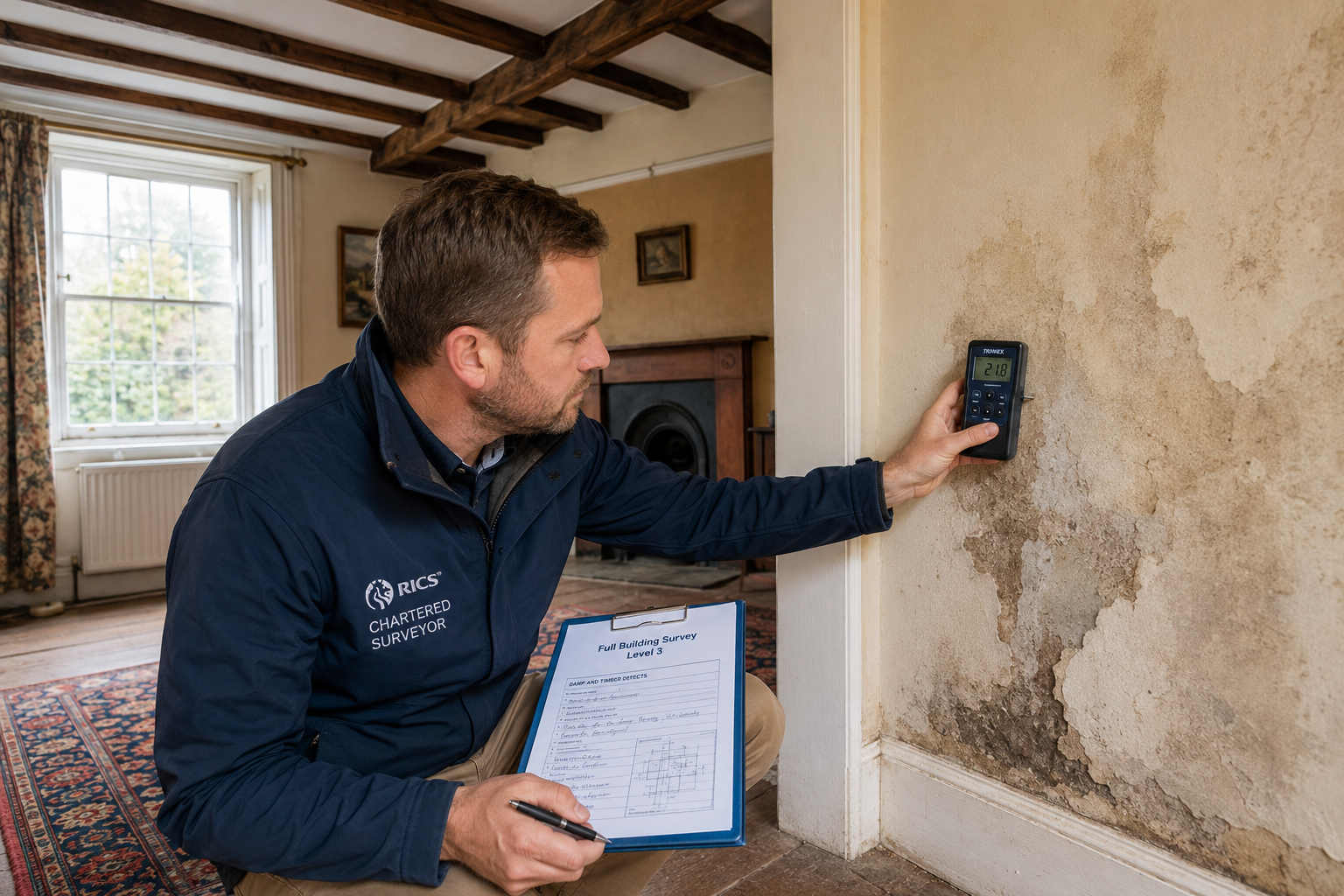
The most significant shift in professional practice is the growing preference for Level 3 full building surveys over lighter-touch alternatives. Surveyors are recommending Level 3 assessments as the appropriate choice for older properties, buildings with visible structural concerns, and homes requiring significant renovation [1]. Unlike a Level 2 HomeBuyer Report, a Level 3 survey provides a detailed examination of every accessible element of the building's fabric, from foundations to roof structure.
Understanding what is included in a Level 3 survey helps buyers appreciate the depth of information they receive. A thorough Level 3 report will identify defects, assess their severity, suggest remedial actions, and flag items requiring further specialist investigation. This level of detail gives buyers a negotiating position grounded in evidence rather than assumption.
For properties that fall into a grey area, the decision between survey types matters. A detailed comparison of Level 2 vs Level 3 surveys helps buyers and their advisers make an informed choice based on property age, construction type, and visible condition.
Key indicators that a Level 3 survey is appropriate:
| Property Characteristic | Recommended Survey Level |
|---|---|
| Pre-1919 construction | Level 3 |
| Visible structural movement or cracking | Level 3 |
| Non-standard construction (timber frame, thatched roof) | Level 3 |
| Significant extension or conversion history | Level 3 |
| Post-war standard construction, good condition | Level 2 |
| New build property | Snagging survey |
Understanding building pathology is central to the value a Level 3 survey delivers. Surveyors trained in building pathology can identify the root causes of defects rather than simply describing their symptoms, giving clients actionable information rather than vague warnings.
Using Comparable Evidence to Anchor Valuations
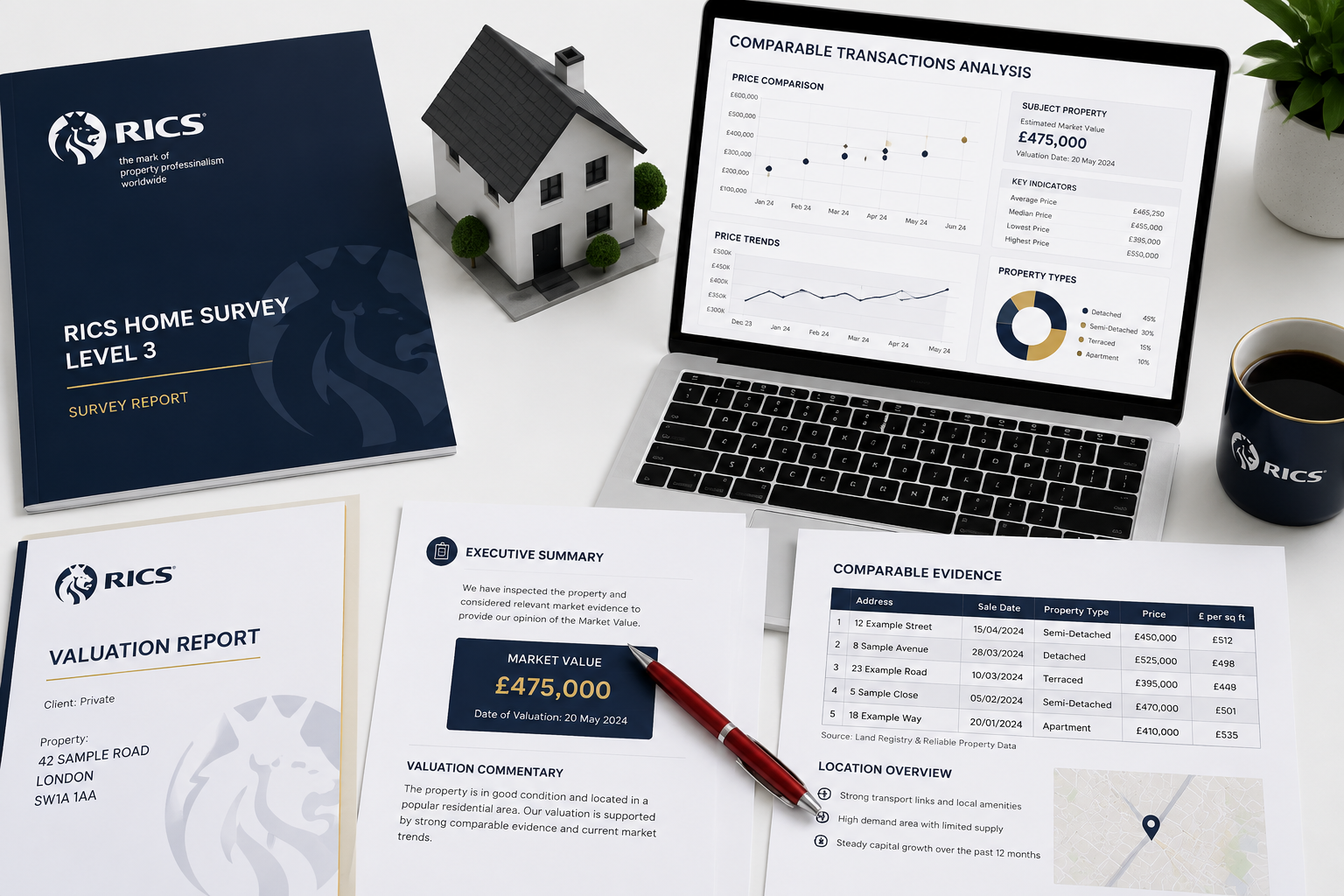
Accurate valuation is the second pillar of transaction certainty. A property that is overvalued will fail to attract mortgage lending at the agreed price; one that is undervalued leaves money on the table or triggers renegotiation. Chartered surveyors use comparable evidence, the analysis of recent, similar property transactions in the same locality, to ensure that valuations reflect genuine market conditions rather than optimistic asking prices [2].
In 2026, the quality and recency of comparable data matters more than ever. Market conditions have shifted in many regions, and valuations based on transactions from 18 months ago may no longer be reliable. Surveyors who maintain strong local market knowledge and access to current transaction data are better placed to produce valuations that withstand lender scrutiny.
The chartered surveyors valuations service covers a range of valuation types, from standard residential assessments to specialist reports for capital gains, inheritance tax, and right-to-buy purposes. Each type of valuation draws on comparable evidence appropriate to its specific purpose.
"A valuation is only as reliable as the evidence behind it. In a recovering market with patchy transaction volumes, the surveyor's ability to identify and weight the most relevant comparables is what separates a defensible figure from an educated guess."
Standardising Survey Practice Through Revised RICS Frameworks
RICS is working on a second edition of the Home Survey Standard, designed to provide clearer guidance on how surveys should be conducted and reported [4]. This revision responds to feedback that existing standards left too much room for inconsistency between practitioners, making it difficult for consumers to compare reports or understand what they were receiving.
Simultaneously, RICS has launched a consultation on a new code of practice for residential stock condition surveys, aimed at standardising how condition surveys are carried out across housing stock [3]. For landlords, housing associations, and local authorities, this standardisation provides greater assurance that the condition data they receive is consistent, comparable, and fit for purpose.
These regulatory developments signal a broader professionalisation of the survey process. Surveyors who align their practice with the revised standards early will be better positioned to demonstrate quality and attract clients who prioritise reliability.
Specialist Knowledge Areas That Reduce Transaction Risk
Valuing Heritage and Pre-1919 Properties
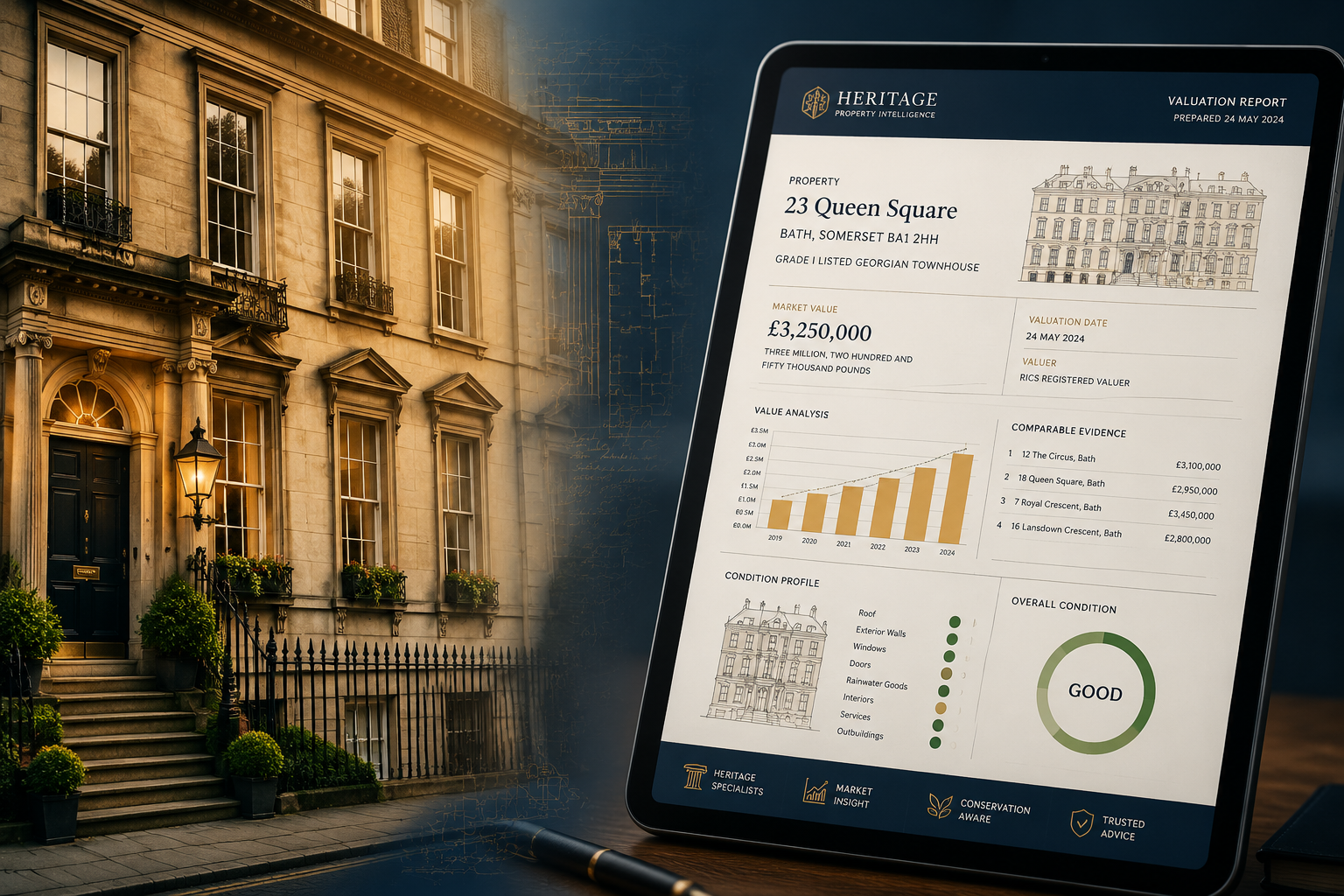
Approximately 20% of English housing stock pre-dates 1919 [8]. These properties present unique valuation challenges: original materials, non-standard construction methods, planning restrictions in conservation areas, and the potential for hidden defects behind period features all complicate the assessment process. Surveyors without specialist knowledge of heritage construction can produce reports that miss critical issues or misrepresent value.
Buyers considering older homes should read guidance on what to look out for when buying an old house before commissioning a survey. Understanding the specific risks associated with period properties helps buyers ask better questions and interpret survey findings more accurately.
For properties in designated conservation areas or with listed building status, the surveyor's knowledge of planning constraints is as important as their structural assessment skills. Restrictions on permitted development and the requirement for specialist materials in repairs can significantly affect both the cost of ownership and the property's market value.
Roof Condition Assessments
Roof defects are among the most common findings in residential surveys and among the most expensive to address. A failing roof covering, blocked gutters, or inadequate flashings can allow water ingress that damages internal finishes, structural timbers, and insulation over time. Surveyors who understand what roof surveyors do and when to recommend specialist inspection add significant value to the transaction process.
In many cases, a general building survey will flag roof concerns and recommend further investigation by a roofing specialist. This staged approach ensures that buyers have a clear picture of likely costs before they commit to purchase.
Party Wall Considerations
Terraced and semi-detached properties, which make up a large proportion of UK residential stock, are subject to the Party Wall etc. Act 1996. Buyers planning alterations, extensions, or basement works after purchase need to understand their obligations before contracts are exchanged. Surveyors who can advise on party wall matters and the implications of planned works help clients avoid disputes that can delay or derail projects after completion.
Leasehold Valuation and Enfranchisement
Leasehold properties present additional complexity that freehold transactions do not. Short leases, high service charges, and onerous ground rent clauses can all affect value and mortgageability. Chartered surveyors with expertise in leasehold extension and enfranchisement valuations provide buyers with a clear picture of the true cost of ownership, including the likely premium for extending a lease before it falls below 80 years.
Chartered Surveyor Strategies for Greater Certainty in 2026 Residential Transactions: Selecting the Right Professional
What to Look for When Choosing a Surveyor
The quality of a survey is only as good as the professional conducting it. Resources that guide buyers and sellers through the selection process consistently emphasise three criteria: RICS accreditation, local market knowledge, and experience with the specific property type [9]. A surveyor who regularly works in the target area will have access to relevant comparable evidence and will be familiar with local construction types, planning constraints, and common defects.
A practical checklist for selecting a chartered surveyor:
- Confirm RICS membership or accreditation
- Ask about experience with the specific property type (period, new build, leasehold, listed)
- Verify local market knowledge and recent comparable transaction data
- Request a sample report to assess clarity and depth
- Confirm professional indemnity insurance is current
- Check turnaround times and communication standards
For buyers and sellers in specific regions, working with a surveyor who knows the local market intimately is a significant advantage. Whether the property is in Central London, West London, South East London, or further afield in Buckinghamshire or Hampshire, local expertise translates directly into more accurate reports and more defensible valuations.
The Role of Surveyors as Expert Witnesses
Beyond the transaction itself, chartered surveyors are increasingly called upon to act as expert witnesses in arbitration and dispute resolution proceedings [7]. When a buyer discovers a defect that was not disclosed or adequately reported, the surveyor's report becomes a key piece of evidence. This reality reinforces the importance of thorough, clearly written reports that document methodology, findings, and recommendations in language that can withstand professional scrutiny.
Surveyors who understand their potential role as expert witnesses approach report writing with greater rigour. Every observation is supported by evidence; every recommendation is grounded in professional standards. This discipline benefits clients directly, as it produces reports that are more useful, more defensible, and more likely to support a successful transaction.
Addressing the Skills Pipeline
The profession's ability to deliver on these strategies depends on having enough qualified practitioners. The Sava Diploma in Residential Surveying and Valuation offers a part-time, vocational route into the profession, allowing candidates to train while working full-time [6]. This pathway addresses skills shortages and promotes diversity within surveying, which has historically been a relatively homogeneous profession. A broader talent pipeline means more surveyors available to meet growing demand for high-quality residential survey services in 2026 and beyond.
Conclusion
The residential property market in 2026 rewards preparation, precision, and professional rigour. Chartered surveyor strategies for greater certainty in 2026 residential transactions centre on three interconnected commitments: deploying the right survey type for each property, anchoring valuations in current comparable evidence, and aligning practice with revised RICS standards that raise the bar for consistency and consumer trust.
Actionable next steps for buyers, sellers, and property professionals:
- Commission a Level 3 survey for any pre-1919 property, visibly defective building, or home with a complex alteration history. Do not default to a lighter-touch report simply to save costs at the outset.
- Verify that your chosen surveyor holds current RICS accreditation and has demonstrable local market experience relevant to your property type and location.
- Request upfront information from sellers early in the process, including any existing surveys, planning consents, and service charge accounts for leasehold properties.
- For specialist situations, including heritage assets, leasehold extensions, capital gains valuations, or party wall matters, engage a surveyor with specific expertise rather than relying on a generalist report.
- Treat the survey report as a negotiating tool and a risk management document, not simply a box-ticking exercise. The intelligence it contains should inform every decision from offer price to completion timeline.
The reform agenda is moving in the right direction. Surveyors who lead with comprehensive, upfront, professionally grounded reports are not just meeting a regulatory expectation, they are delivering the transaction certainty that buyers, sellers, and lenders increasingly demand.
References
[1] Level 3 Surveys For Greater Transaction Certainty In 2026 Mitigating Risks In A Recovery Market – canterburysurveyors.com
[2] What Is Comparable Evidence – ricsfirms.com
[3] Consultation Launched Housing Stock Condition Survey Code Practice – rics.org
[4] The New Home Survey Standard – ww3.rics.org
[5] Rics Backs Parliamentary Call For Urgent Reform Of The Home Buying And Selling Process – rics.org
[6] Vocational Route Surveyor Sava – ww3.rics.org
[7] Surveyors As Expert Witnesses – rics.org
[8] Valuing Heritage Assets – ww3.rics.org
[9] How To Choose A Surveyor When Selling – getpine.co.uk