

The homebuying landscape in the UK stands on the brink of its most significant transformation in decades. As government consultations progress toward potential mandatory upfront property condition assessments, chartered surveyors face an unprecedented challenge: preparing for a dramatic surge in demand while maintaining the quality and professionalism that defines the profession. Chartered Surveyor Prep for Homebuying Reform Implementation: Scaling for Mandatory Condition Assessments in Q2 2026 represents not just a regulatory shift, but a fundamental reimagining of when, how, and why property surveys are conducted.
For surveying professionals across regions from chartered surveyors in West London to chartered surveyors in Berkshire, the message is clear: preparation must begin now. The proposed reforms would move surveys from their current position—often conducted after an offer is accepted—to the very beginning of the transaction process, fundamentally altering workflow patterns, resource allocation, and client engagement strategies.
Key Takeaways
✅ Government consultations are exploring mandatory upfront property condition assessments that could transform the homebuying process, with potential implementation creating significant demand increases for surveying services.
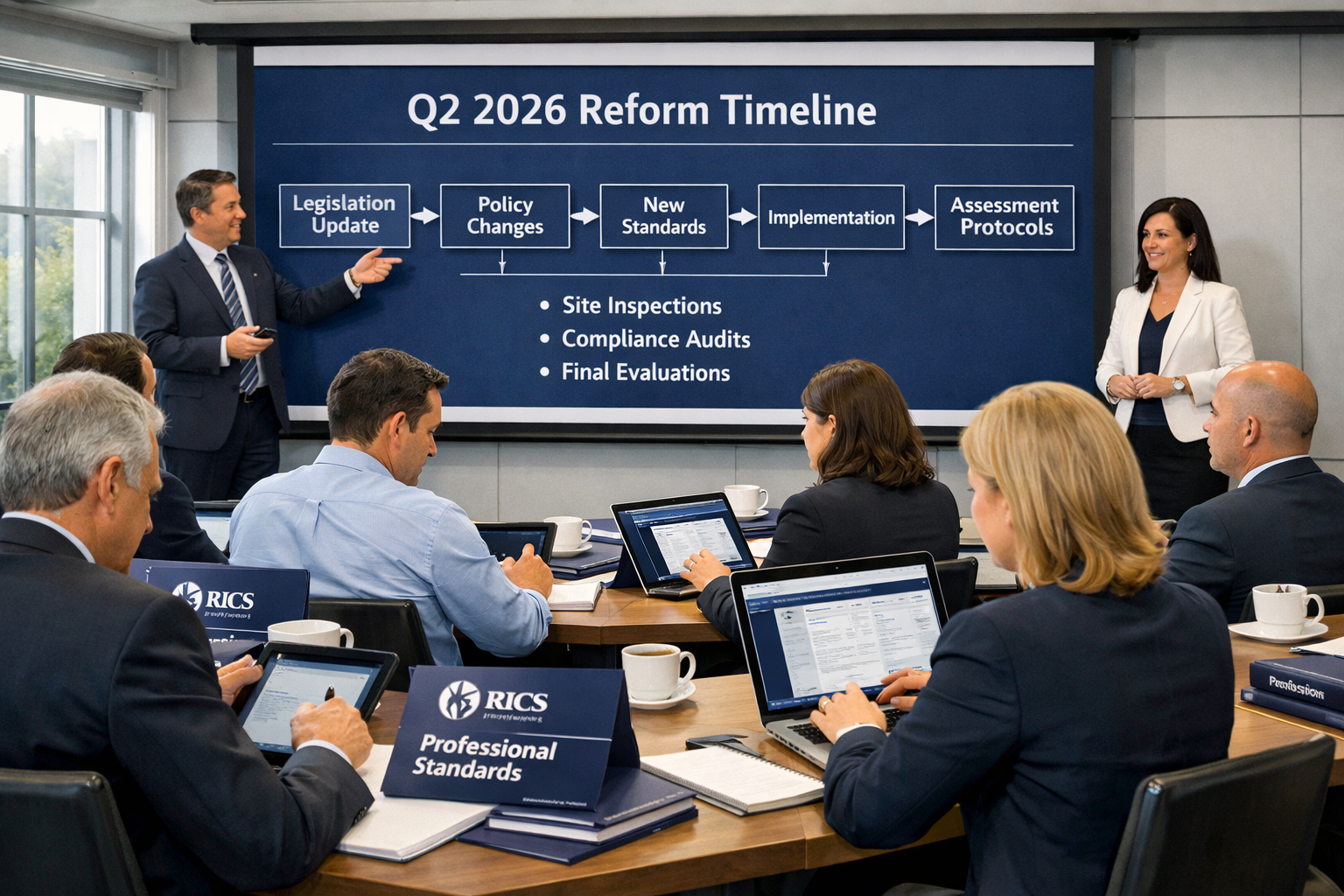
✅ Training and certification upgrades are essential for surveyors to meet enhanced RICS standards, including compliance with new AI usage guidelines and updated professional conduct requirements.
✅ Workflow transformation will require surveyors to shift from reactive inspection services to proactive strategic advisers, operating at the transaction's beginning rather than midway through.
✅ Technology integration including digital assessment tools, AI-assisted reporting, and streamlined client communication systems will be critical for scaling operations efficiently.
✅ Capacity planning must account for projected volume increases, with lenders already forecasting strong growth heading into 2026 and beyond.
Understanding the Proposed Homebuying Reform Landscape
Current Consultation Status
As of early 2026, the UK government's proposed reforms to the homebuying process remain in the consultation phase, with policymakers examining whether property condition assessments should become a standard upfront requirement[2]. While no confirmed mandatory implementation timeline for Q2 2026 has been officially announced, the surveying sector is treating preparation as urgent given the transformative potential of these changes.
The consultation focuses on addressing longstanding inefficiencies in the property transaction process, where surveys currently occur after significant time and money have already been invested by buyers. This timing often leads to:
- Transaction failures when surveys reveal unexpected issues
- Wasted costs for buyers whose purchases fall through
- Extended timelines that frustrate all parties
- Negotiation complications arising late in the process
Transformative Impact on Surveying Demand
If the proposed reforms proceed, they would significantly increase demand for surveys earlier in the process and fundamentally change how and when surveyors operate[2]. This shift represents both an opportunity and a challenge for the profession.
The expected positive sector outlook for 2026 already shows promise, with the surveying sector anticipating an uplift in volumes across both lending and surveys. Lenders are forecasting increased volumes and a strong start to 2026[2], creating a foundation upon which mandatory assessment requirements would build substantially.
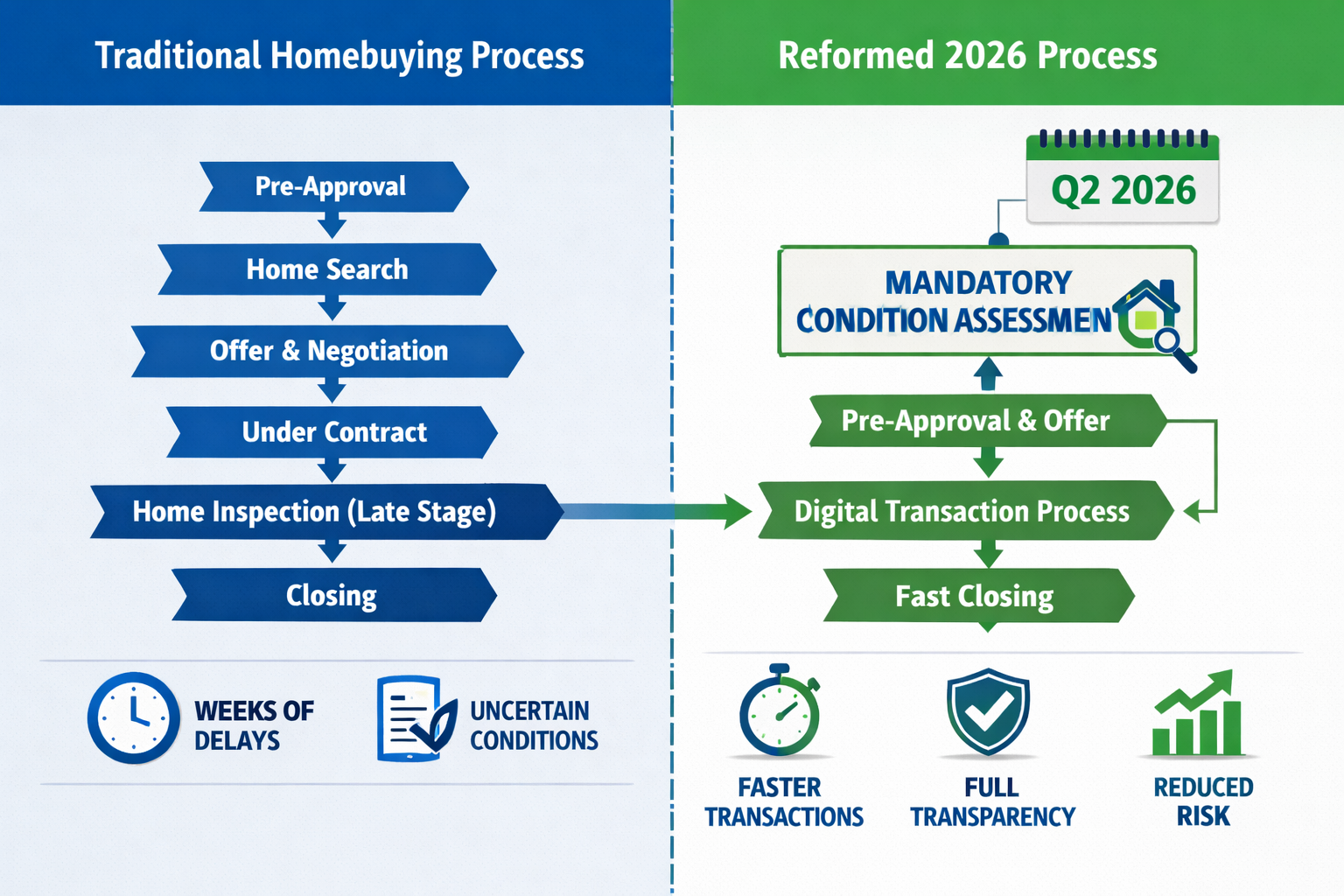
| Current Process | Reformed Process (Proposed) |
|---|---|
| Survey ordered after offer accepted | Survey completed before listing/early viewing stage |
| Buyer bears full cost and risk | Seller provides upfront assessment |
| Timeline: 2-4 weeks into transaction | Timeline: Before property marketing begins |
| Optional for many buyers | Mandatory for all transactions |
| Reactive problem identification | Proactive transparency |
Chartered Surveyor Prep for Homebuying Reform Implementation: Training and Professional Development
Enhanced RICS Standards and Competency Requirements
The Royal Institution of Chartered Surveyors (RICS) has strengthened its emphasis on technical competence and ethical conduct to increase confidence in surveying service quality and reliability[4]. These enhanced standards directly impact how surveyors must prepare for increased workloads under potential mandatory assessment regimes.
Key training priorities include:
🎓 Advanced technical competency in building pathology, structural assessment, and defect identification
🎓 Client communication excellence for explaining complex findings to diverse audiences
🎓 Report writing proficiency that balances thoroughness with accessibility
🎓 Risk assessment frameworks for prioritizing issues and recommendations
🎓 Legal and regulatory compliance including updated professional standards
RICS AI Standards Compliance
Surveyors must now comply with the RICS Professional Standard for Responsible Use of AI in Surveying Practice[3]. This requirement includes:
- Documented decisions about AI system reliability and appropriateness
- Updated terms of engagement that transparently disclose AI usage
- Client communication protocols explaining how AI tools support (not replace) professional judgment
- Quality assurance processes for AI-assisted outputs
- Ongoing training in emerging AI applications
The integration of AI tools doesn't diminish the surveyor's role—rather, it enhances efficiency in data collection, pattern recognition, and preliminary analysis, freeing professionals to focus on interpretation, judgment, and strategic advice.
Level 3 Survey Expertise Development
Building surveys now include Level 3 surveys providing the most detailed property examinations, with surveyors serving as strategic advisers rather than simply conducting inspections[4]. This elevation of the surveyor's role requires:
- Deep technical knowledge across multiple building systems and construction periods
- Investigative skills for identifying hidden defects and potential issues
- Cost estimation abilities for repair and maintenance recommendations
- Long-term planning perspective to advise on property lifecycle considerations
For professionals offering building surveys across diverse property types, mastering Level 3 survey methodologies becomes essential preparation for reform implementation.
Scaling Operations: Workflow and Capacity Planning for Q2 2026
Workflow Transformation Requirements
The shift from mid-transaction surveys to upfront mandatory assessments requires fundamental workflow redesign. Surveyors must transition from reactive service providers to proactive partners in the property marketing process.
Traditional workflow pattern:
- Buyer identifies property of interest
- Offer submitted and accepted
- Survey commissioned by buyer
- Survey conducted (2-4 weeks into process)
- Report delivered
- Negotiations or withdrawal may follow
Reformed workflow pattern (proposed):
- Seller commissions assessment before listing
- Survey conducted on vacant or occupied property
- Report completed and disclosed to potential buyers
- Property marketed with assessment available
- Buyers make informed offers based on known condition
- Reduced negotiation friction and transaction failures
This transformation requires surveyors to develop new relationships with sellers and estate agents rather than primarily serving buyers. Marketing materials, service packages, and pricing structures all require adaptation.
Capacity Planning and Resource Allocation
Meeting potential surge demand requires strategic capacity planning across multiple dimensions:
Surveyor Recruitment and Training
- Hiring projections based on volume forecasts and regional demand patterns
- Accelerated training programs for newly qualified surveyors
- Mentorship systems pairing experienced professionals with newer team members
- Specialization development for different property types and assessment complexities
Firms operating across multiple regions, such as those serving North London and Central London, must coordinate capacity across geographic areas to balance workload efficiently.
Technology Infrastructure Investment
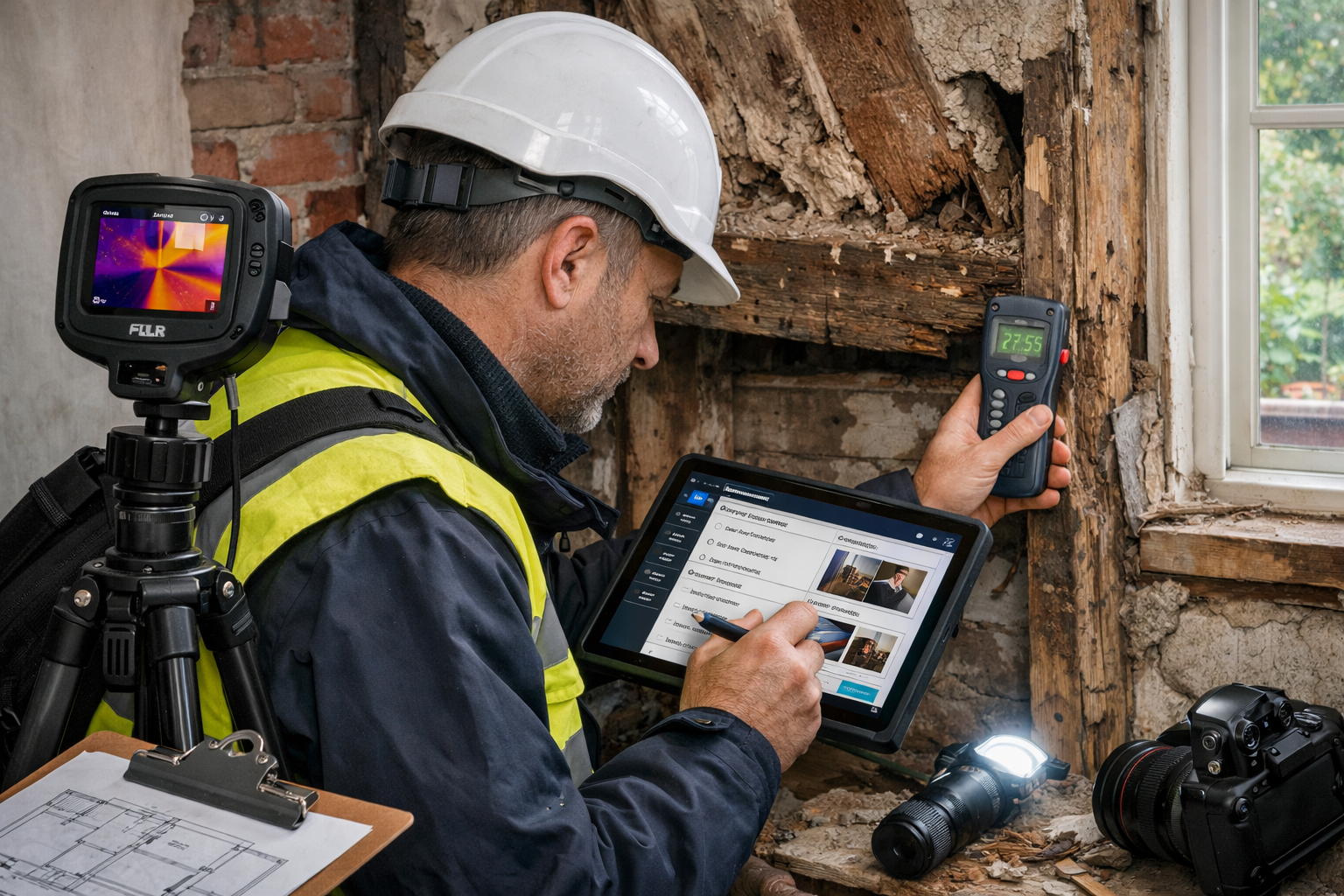
- Digital inspection tools including thermal imaging, moisture meters, and structural analysis equipment
- Report generation software that streamlines documentation while maintaining quality
- Client portals for transparent communication and document sharing
- Scheduling systems that optimize surveyor routes and minimize travel time
- Data management platforms ensuring secure storage and easy retrieval of assessment records
Administrative and Support Systems
Scaling technical capacity requires parallel growth in administrative support:
- Client intake processes that efficiently capture property details and access requirements
- Quality assurance reviews maintaining standards despite increased volume
- Billing and payment systems adapted to new client relationships (seller-focused rather than buyer-focused)
- Compliance documentation for RICS standards and AI usage protocols
Regional Demand Forecasting
Different regions will experience varying demand patterns based on local property market characteristics. Surveyors must analyze:
📊 Transaction volumes in their service areas
📊 Property types and associated assessment complexity
📊 Seasonal patterns that may concentrate demand
📊 Competition levels and market positioning opportunities
Professionals serving areas like Bromley, Esher, and Weybridge should conduct market-specific analyses to inform their scaling strategies.
Technology Integration and Digital Transformation
Digital Assessment Tools and Equipment
Modern surveying increasingly relies on advanced technology to enhance accuracy, efficiency, and client value. Essential equipment for scaled operations includes:
Thermal imaging cameras for identifying:
- Heat loss and insulation deficiencies
- Hidden moisture ingress
- Structural thermal bridging
- Heating system irregularities
Moisture detection systems providing:
- Non-invasive moisture content readings
- Identification of damp penetration sources
- Documentation of moisture patterns
- Evidence for insurance and legal purposes
Digital measurement tools enabling:
- Accurate dimensional recording
- 3D property modeling capabilities
- Efficient space documentation
- Integration with CAD systems
Drone technology for:
- Roof and chimney inspection without access equipment
- Exterior elevation documentation
- Site context photography
- Hard-to-reach area assessment
AI-Assisted Reporting and Analysis
Compliance with RICS AI standards[3] requires thoughtful integration of artificial intelligence tools that enhance rather than replace professional judgment. Appropriate applications include:
✨ Pattern recognition in defect identification across multiple properties
✨ Historical data analysis comparing similar properties and common issues
✨ Report drafting assistance for standard sections and boilerplate content
✨ Image analysis flagging potential issues for surveyor review
✨ Cost estimation support drawing on repair cost databases
The key principle remains that AI tools support the surveyor's expertise—final judgments, interpretations, and recommendations must always reflect professional analysis informed by site-specific observations and experience.
Client Communication Platforms
Enhanced client engagement requires robust digital communication systems:
- Online booking portals allowing efficient scheduling and property detail capture
- Progress tracking dashboards keeping clients informed throughout the assessment process
- Digital report delivery with interactive features and multimedia content
- Follow-up consultation scheduling for discussing findings and recommendations
- Document repositories providing secure long-term access to assessment records
These platforms must balance sophistication with accessibility, ensuring clients of varying technical comfort levels can engage effectively.
Strategic Positioning: From Inspectors to Advisers
Evolving the Surveyor's Role
The proposed reforms elevate surveyors from technical inspectors to strategic property advisers. This evolution requires:
Consultative approach: Moving beyond defect identification to comprehensive property strategy discussions
Long-term perspective: Advising on maintenance planning, improvement priorities, and lifecycle considerations
Financial context: Helping clients understand cost implications and investment decisions
Risk communication: Translating technical findings into clear risk assessments for non-technical audiences
Understanding what's included in a Level 3 survey becomes essential knowledge for clients, and surveyors must effectively communicate this value proposition.
Building Seller Relationships
With mandatory upfront assessments, surveyors must develop new client relationship models focused on sellers and estate agents rather than exclusively serving buyers.
Seller-focused value propositions include:
💼 Transaction acceleration through upfront transparency
💼 Reduced fall-through rates by addressing issues before marketing
💼 Pricing confidence based on accurate condition assessment
💼 Marketing differentiation showcasing property transparency
💼 Negotiation efficiency with condition already disclosed
Quality Assurance in High-Volume Environments
Maintaining professional standards while scaling operations requires robust quality assurance frameworks:
- Peer review processes for complex or unusual findings
- Standardized reporting templates ensuring consistency across surveyors
- Continuing professional development keeping technical knowledge current
- Client feedback systems identifying improvement opportunities
- Complaint resolution procedures addressing issues promptly and professionally
The RICS building survey standards provide the foundation for quality assurance protocols that scale effectively.
Preparing for Implementation: Actionable Steps for Q2 2026
Immediate Actions (Q1 2026)
For surveyors preparing for potential reform implementation, immediate priorities include:
- Skills audit: Assess current team capabilities against enhanced RICS standards
- Technology review: Evaluate digital tools and identify necessary upgrades
- Training plan: Develop comprehensive professional development schedule
- Capacity modeling: Project demand scenarios and required resource levels
- Workflow design: Map reformed processes and identify efficiency opportunities
Short-Term Preparations (Q2-Q3 2026)
As potential implementation approaches:
- Recruitment initiatives: Begin hiring and training additional surveyors
- Technology deployment: Implement new digital tools and client platforms
- Marketing adaptation: Develop seller-focused service packages and communications
- Partnership development: Build relationships with estate agents and property professionals
- Pilot programs: Test reformed workflows with willing clients to identify refinements
Long-Term Strategic Planning
Beyond immediate implementation, successful firms will:
- Monitor regulatory developments staying informed of policy changes and implementation details
- Invest in innovation exploring emerging technologies and methodologies
- Build market presence establishing reputation as reform-ready professionals
- Develop specializations differentiating services for specific property types or client needs
- Foster professional community sharing insights and best practices across the surveying sector
Professionals offering specialized services like valuations alongside surveys can leverage complementary expertise to provide comprehensive property advisory services.
Regional Considerations and Market Variations
Urban vs. Rural Dynamics
Reform implementation will affect different markets distinctively:
Urban markets (like Chelsea and Clapham) face:
- Higher transaction volumes requiring greater capacity
- More complex properties with unique assessment challenges
- Competitive markets demanding rapid turnaround times
- Premium pricing opportunities for specialized expertise
Suburban and rural markets (such as Godalming and Buckinghamshire) encounter:
- Greater geographic coverage requirements
- Diverse property types from cottages to country estates
- Seasonal demand variations
- Relationship-based business development opportunities
Property Type Specialization
Different property categories require specialized knowledge:
Period properties: Understanding historical construction methods, common defects in older buildings, and conservation considerations
New builds: Recognizing new build survey requirements and snagging issues
Flats and apartments: Assessing communal elements, lease implications, and building management factors
Commercial conversions: Evaluating adaptation quality and mixed-use considerations
Surveyors can differentiate by developing recognized expertise in specific property types prevalent in their service areas.
Financial Planning and Business Model Adaptation
Pricing Strategy Considerations
Mandatory upfront assessments require pricing model evolution:
Seller-paid model implications:
- Different price sensitivity compared to buyer-paid surveys
- Potential for package deals with estate agents
- Volume discount structures for property portfolios
- Subscription models for property management companies
Value-based pricing opportunities:
- Premium charges for rapid turnaround
- Tiered service levels (basic compliance vs. comprehensive advisory)
- Additional services bundled with core assessment
- Follow-up consultation fees
Investment Requirements
Scaling for reform implementation requires capital investment across:
- Personnel costs: Recruitment, training, and compensation for expanded teams
- Technology expenditure: Equipment, software, and digital infrastructure
- Marketing investment: Repositioning services and building seller/agent relationships
- Facility expansion: Office space, equipment storage, and administrative areas
- Professional development: Ongoing training and certification maintenance
Firms should develop detailed financial projections modeling various implementation scenarios and demand levels.
Risk Management
Financial preparation must include risk mitigation strategies:
- Professional indemnity insurance adequate for increased volume and exposure
- Quality assurance protocols minimizing liability through consistent standards
- Contract terms clearly defining scope, limitations, and responsibilities
- Dispute resolution procedures addressing client concerns efficiently
- Financial reserves buffering against demand fluctuations or implementation delays
Collaboration and Industry Partnerships
Estate Agent Relationships
Successful reform adaptation requires strong partnerships with estate agents who will connect sellers with survey services:
- Educational initiatives: Helping agents understand assessment value propositions
- Referral arrangements: Establishing preferred provider relationships
- Co-marketing opportunities: Joint promotion of transparent property transactions
- Technology integration: Connecting digital platforms for seamless service delivery
Lender Coordination
Mortgage lenders remain key stakeholders in the property transaction process:
- Valuation coordination: Aligning condition assessments with lending valuations
- Report standardization: Meeting lender information requirements efficiently
- Digital data sharing: Streamlining information flow between parties
- Risk assessment alignment: Ensuring assessments address lender concerns
Professional Body Engagement
Active participation in RICS and industry organizations provides:
- Early policy insights: Advance notice of regulatory developments
- Best practice sharing: Learning from peers' implementation experiences
- Advocacy opportunities: Contributing to policy formation and implementation guidance
- Networking benefits: Building relationships across the professional community
Conclusion
Chartered Surveyor Prep for Homebuying Reform Implementation: Scaling for Mandatory Condition Assessments in Q2 2026 represents a defining moment for the surveying profession. While government consultations continue and implementation timelines remain subject to policy decisions, the direction of travel is clear: property transactions are moving toward greater upfront transparency, with condition assessments playing a central role.
The surveying sector's anticipated uplift in volumes[2], combined with enhanced RICS standards[4] and new AI compliance requirements[3], creates both opportunity and obligation. Surveyors who begin preparation now—investing in training, technology, and workflow transformation—will be positioned to thrive in the reformed market. Those who delay risk being overwhelmed by sudden demand surges or outcompeted by better-prepared peers.
Next Steps for Surveyors
✅ Conduct a comprehensive readiness assessment evaluating current capabilities against reform requirements
✅ Develop a detailed implementation plan addressing training, technology, capacity, and marketing
✅ Invest in professional development ensuring compliance with enhanced RICS standards and AI guidelines
✅ Build strategic partnerships with estate agents, lenders, and property professionals
✅ Monitor policy developments staying informed of implementation timelines and regulatory details
✅ Engage with professional bodies participating in industry discussions and best practice development
The transformation ahead is substantial, but it ultimately serves the profession's core purpose: providing expert, independent property advice that protects clients and facilitates informed decisions. By embracing this change proactively, chartered surveyors can elevate their role from transaction facilitators to essential strategic advisers in the property market.
For property buyers, sellers, and industry professionals seeking expert surveying services prepared for the evolving regulatory landscape, Prince Surveyors offers comprehensive assessment and advisory services across London and the surrounding regions. Whether you need a detailed building survey or guidance on property condition assessment, professional chartered surveyors stand ready to support your property decisions with expertise, technology, and commitment to the highest professional standards.
The future of homebuying is transparency, efficiency, and informed decision-making—and chartered surveyors prepared for reform implementation will be at the heart of this transformation.
References
[2] Surveying In 2026 Reform Recovery And Renewed Demand – https://www.lrg.co.uk/news-and-insights/surveying-in-2026-reform-recovery-and-renewed-demand/
[3] pbctoday.co.uk – https://www.pbctoday.co.uk/news/planning-construction-news/five-hot-topics-for-surveyors-spring-2026/158511/
[4] Things About Building Surveying You Need To Know In 2026 – https://mcessex.co.uk/2026/01/23/things-about-building-surveying-you-need-to-know-in-2026/