

The UK rental market in 2026 presents a paradox: soaring tenant demand meets shrinking landlord supply, creating unprecedented pressure on buy-to-let (BTL) investors to identify quality rental stock. With rental prices climbing and competition intensifying, Building Surveys for Buy-to-Let Investors: Due Diligence Checklists as Rental Supply Tightens in 2026 has become essential reading for anyone seeking profitable, sustainable rental investments. The stakes have never been higher—a thorough building survey can mean the difference between a cash-flowing asset and a money pit that erodes returns for years.
This comprehensive guide explores the critical building survey checks, yield calculations, and risk assessments that separate successful BTL acquisitions from costly mistakes in today's constrained market.
Key Takeaways
✅ Comprehensive building surveys are non-negotiable in tight rental markets where quality stock is scarce and competition drives prices higher
✅ Physical, financial, legal, and operational due diligence must work together to reveal true investment potential and hidden costs that impact yields
✅ Standard inspection costs range from £300-£500, with specialty surveys adding £75-£200, but these expenses prevent far costlier post-purchase surprises[2]
✅ Rental yield calculations must factor in realistic maintenance costs, void periods, and regulatory compliance expenses to determine genuine profitability
✅ 2026 market conditions demand faster decision-making without compromising thorough due diligence—investors need systematic checklists to maintain standards under pressure
Why Building Surveys Matter More in 2026's Tight Rental Market 🏘️
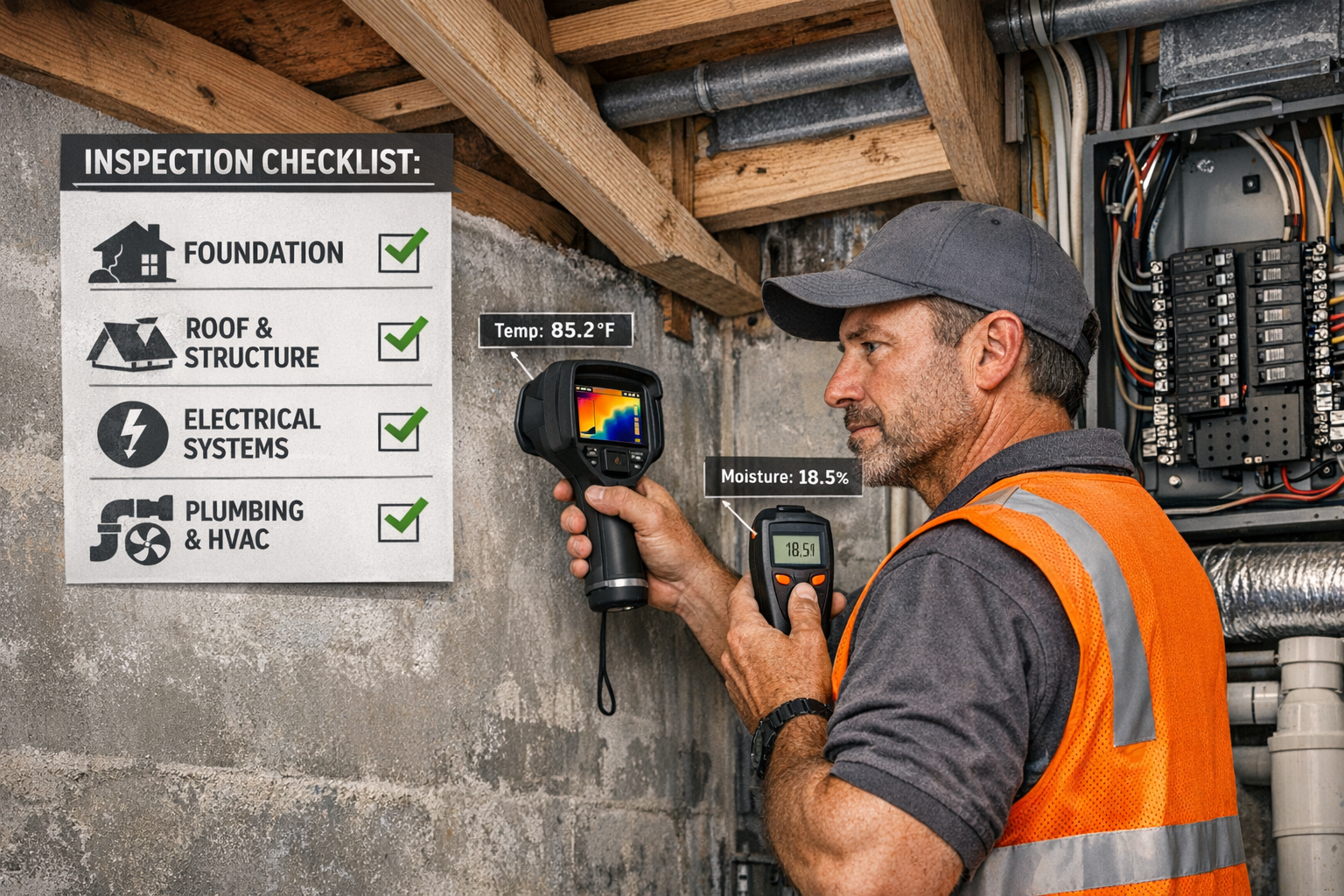
The rental landscape has shifted dramatically. Landlord exodus driven by regulatory changes, tax adjustments, and increased compliance costs has reduced available rental stock precisely when demand surges. This supply-demand imbalance creates a seller's market where properties move quickly, often with multiple competing offers.
In this environment, investors face enormous pressure to make rapid decisions. However, rushing due diligence to secure a property can lead to catastrophic financial consequences. A property that appears profitable on paper may harbour structural defects, compliance violations, or maintenance backlogs that transform projected yields into losses.
Building surveys serve as your financial protection mechanism. They reveal the true condition of a property before you commit capital, allowing accurate cost projections and informed negotiation. When rental supply tightens, the properties available often include those with hidden issues that previous buyers rejected—making professional surveys even more critical.
The Real Cost of Skipping Surveys
Consider these scenarios investors faced in 2026:
- Hidden damp issues requiring £15,000 remediation work, eliminating two years of projected rental income
- Outdated electrical systems needing complete rewiring at £8,000, plus lost rental income during works
- Roof deterioration discovered after purchase, costing £12,000 and creating liability issues with tenants
- Structural movement requiring underpinning at £25,000+, making the property temporarily unrentable
Each situation could have been identified through proper building survey due diligence, saving investors substantial capital and stress.
Essential Building Survey Components for Buy-to-Let Investors
Building Surveys for Buy-to-Let Investors: Due Diligence Checklists as Rental Supply Tightens in 2026 requires understanding which survey types and components deliver maximum value. Unlike owner-occupiers who may tolerate minor cosmetic issues, BTL investors need rental-ready properties that minimise void periods and maintenance disruptions.
Physical Systems Inspection: The Foundation of Due Diligence
A comprehensive physical inspection examines every system that impacts property value, tenant satisfaction, and ongoing costs. For buy-to-let properties, this assessment must be particularly rigorous because tenant safety, comfort, and retention depend on reliable building systems[2].
Critical Physical Components to Survey:
| System | Key Inspection Points | BTL-Specific Concerns |
|---|---|---|
| Roof & Guttering | Tile condition, flashing, valleys, drainage | Leaks cause tenant complaints; repairs require access |
| Foundation & Structure | Cracks, movement, subsidence signs, damp | Structural issues = unrentable property + huge costs |
| Electrical Systems | Consumer unit age, wiring condition, earthing | Must meet current regulations; tenant safety critical |
| Plumbing & Heating | Boiler efficiency, pipe condition, water pressure | Breakdowns = emergency callouts + tenant dissatisfaction |
| Windows & Doors | Seals, locks, glazing, draughtproofing | Energy efficiency affects bills; security essential |
| Damp & Ventilation | Rising damp, condensation, mould, airflow | Health hazard; can trigger tenant legal action |
A Level 3 full building survey provides the most comprehensive assessment, particularly valuable for older properties or those showing visible defects. This detailed inspection includes:
- Non-invasive investigations of accessible areas
- Detailed defect descriptions with severity ratings
- Repair cost estimates for budgeting purposes
- Maintenance recommendations to preserve value
- Safety hazard identification affecting tenant welfare
For properties built before 2000 or showing any structural concerns, this level of scrutiny proves invaluable. The survey typically costs £500-£1,500 depending on property size and location, but identifies issues that could cost tens of thousands to rectify[2].
Specialist Surveys: When Standard Inspections Aren't Enough
Certain property characteristics demand additional specialist assessments beyond standard building surveys:
🔍 Asbestos Surveys – Required for properties built before 2000, as asbestos presence creates serious health risks and legal obligations for landlords. Survey costs: £150-£300.
🌡️ Thermal Imaging Surveys – Reveal hidden moisture, insulation defects, and heat loss that impact energy performance certificates (EPCs) and tenant heating costs. Survey costs: £200-£400.
🏚️ Structural Engineering Assessments – Essential when cracks, movement, or foundation concerns appear during initial surveys. Provides definitive structural integrity analysis. Survey costs: £400-£800.
🪨 Drainage Surveys – CCTV inspection of underground drainage identifies blockages, root intrusion, or collapsed pipes before they become emergency repairs. Survey costs: £150-£300.
🚁 Drone Roof Surveys – For properties where roof access is difficult or dangerous, premium drone surveys provide detailed imagery without scaffolding costs. Survey costs: £200-£500.
These specialist surveys add to upfront costs but prevent far more expensive surprises. In tight rental markets where properties sell quickly, having these surveys completed during your due diligence period provides competitive advantage—you can move faster with confidence.
Understanding Survey Reports and Red Flags
Survey reports categorise defects by urgency and severity. For BTL investors, understanding these classifications determines whether a property represents opportunity or risk:
Condition Rating 1 ✅ – No repair currently needed; normal maintenance only
Condition Rating 2 ⚠️ – Defects requiring future attention; factor into long-term budgets
Condition Rating 3 🚨 – Urgent defects requiring immediate action; may affect property value or safety
Properties with multiple Category 3 issues require careful financial analysis. Can you negotiate the purchase price down sufficiently to cover repairs and still achieve target yields? Will repairs require tenant evacuation, creating void periods?
Understanding what's included in a Level 3 survey helps investors interpret reports effectively and make informed decisions quickly—essential when competing for limited quality stock in 2026.
Financial Due Diligence: Beyond the Building Survey
Building Surveys for Buy-to-Let Investors: Due Diligence Checklists as Rental Supply Tightens in 2026 extends beyond physical condition to encompass rigorous financial analysis. The most structurally sound property fails as an investment if the numbers don't work.
Rental Yield Calculations That Reflect Reality
Many investors fall into the trap of optimistic yield calculations that ignore real-world costs. Accurate financial due diligence requires conservative assumptions and comprehensive expense accounting[2].
Gross Rental Yield Formula:
(Annual Rental Income ÷ Property Purchase Price) × 100
Net Rental Yield Formula (More Accurate):
[(Annual Rental Income - Annual Expenses) ÷ Total Property Investment] × 100
The net yield calculation reveals true investment performance by accounting for:
- Mortgage interest payments (if leveraged)
- Property management fees (10-15% of rent typically)
- Maintenance and repairs (budget 10-15% of rent annually)
- Insurance premiums (buildings and landlord liability)
- Letting agent fees (for tenant finding and management)
- Void periods (assume 4-8 weeks annually)
- Regulatory compliance costs (safety certificates, licenses)
- Service charges (for leasehold properties)
- Ground rent (for leasehold properties)
In 2026's tight rental market, average gross yields in many UK regions sit between 4-6%, but net yields often drop to 2-4% after expenses. Properties requiring significant repairs identified in building surveys may see yields drop further or even turn negative in early ownership years.
Rent Roll Verification and Market Analysis
For properties with existing tenants, verify the rent roll thoroughly[2]:
✔️ Confirm actual rent received matches landlord claims
✔️ Review tenancy agreements for terms, deposits, break clauses
✔️ Check tenant payment history for arrears or late payments
✔️ Verify deposit protection compliance with legal requirements
✔️ Assess tenant quality through references and background checks
For vacant properties, conduct comprehensive market rent analysis:
- Compare similar properties in the same postcode
- Analyse time-to-let for comparable units
- Consider seasonal variations in rental demand
- Factor in property condition relative to competition
- Account for any improvements needed to achieve market rent
This financial due diligence works hand-in-hand with building surveys. Physical defects identified in surveys translate directly to costs that reduce net yields. Accurate financial modelling prevents overpaying in competitive bidding situations.
Expense Documentation and Hidden Costs
Request comprehensive expense documentation from sellers[2]:
📄 Utility bills (if landlord-paid) – Reveals actual costs for communal areas or inclusive tenancies
📄 Maintenance records – Shows repair frequency and identifies recurring issues
📄 Service charge statements – For flats/leasehold properties; can increase unexpectedly
📄 Insurance policies – Current premiums; may increase based on claims history
📄 Compliance certificates – Gas safety, electrical, EPC; reveals when renewals due
Hidden costs frequently emerge during financial due diligence that building surveys alone won't reveal. These might include upcoming major works (for leasehold properties), planning enforcement issues, or historical problems with difficult tenants.
Investors should also research property investment strategies that align with their financial goals and risk tolerance in the current market environment.
Legal and Regulatory Compliance Checks
The third pillar of Building Surveys for Buy-to-Let Investors: Due Diligence Checklists as Rental Supply Tightens in 2026 addresses legal compliance—an area where many investors face unexpected obstacles that impact profitability or even property rentability.
Title and Ownership Verification
Before committing to purchase, verify clean title and ownership[1]:
Title Search Components:
- Registered owner confirmation
- Mortgage or charge registrations
- Easements and rights of way
- Restrictive covenants affecting use
- Boundary disputes or discrepancies
- Access rights verification
For leasehold properties, additional scrutiny applies:
- Remaining lease term (ideally 80+ years for BTL mortgages)
- Ground rent amount and escalation clauses
- Service charge reasonableness and history
- Freeholder identity and reputation
- Major works provisions and sinking funds
- Subletting permissions and restrictions
Properties with lease terms below 80 years require lease extension costs factored into acquisition budgets, potentially adding £10,000-£30,000+ to total investment.
Planning Permission and Building Regulations
Verify that all alterations, extensions, or conversions have proper approvals[1][3]:
🏗️ Planning permission – For extensions, loft conversions, material changes
🏗️ Building regulations approval – For structural work, electrical, plumbing, drainage
🏗️ Change of use consent – If property converted from commercial or subdivided
🏗️ HMO licensing – For houses in multiple occupation (3+ unrelated tenants)
🏗️ Listed building consent – For any works to listed properties
Unauthorised works create serious risks:
- Local authority enforcement action requiring reversal
- Inability to sell property without retrospective consent
- Insurance policy invalidation
- Mortgage lender concerns affecting refinancing
- Reduced property value and marketability
Your solicitor should verify these during conveyancing, but building surveyors often identify unauthorised works during physical inspections. When common building problems appear to involve structural alterations, specifically request documentation.
Landlord Licensing and Compliance Requirements
Different UK regions impose varying landlord licensing schemes[1]:
Selective Licensing – Applies to specific geographic areas; requires license for any rental property
Additional Licensing – Covers smaller HMOs not requiring mandatory licensing
Mandatory HMO Licensing – Required for properties with 5+ occupants forming 2+ households
License applications typically cost £500-£1,200 and require properties to meet specific standards regarding:
- Room sizes and amenities
- Fire safety provisions
- Electrical and gas safety
- Energy performance
- Management standards
Operating without required licenses risks fines up to £30,000 and rent repayment orders forcing refund of all rent received. Due diligence must confirm current licensing status and factor application costs/timelines into acquisition planning.
Safety Certification Requirements
Landlords must maintain current safety certificates[1][2]:
| Certificate | Frequency | Typical Cost | Legal Requirement |
|---|---|---|---|
| Gas Safety | Annual | £60-£90 | Mandatory (Gas Safety Regulations) |
| Electrical Installation | 5 years | £150-£300 | Mandatory (since 2020) |
| Energy Performance (EPC) | 10 years | £60-£120 | Mandatory; minimum E rating |
| Portable Appliance Testing | Annual | £3-£5 per item | Recommended best practice |
| Legionella Risk Assessment | 2 years | £100-£200 | Required under Health & Safety |
Properties lacking current certificates require immediate attention post-purchase. Budget these costs into acquisition calculations and ensure completion before tenants occupy.
Understanding rental unit inspection requirements helps investors maintain compliance throughout ownership.
Operational Due Diligence: Planning for Success
The final component of comprehensive due diligence addresses operational readiness—ensuring smooth transition from purchase to profitable rental operation.
Tenant Transition Planning
For properties with existing tenancies, plan the transition carefully[2]:
Sitting Tenant Scenarios:
- Review tenancy type (assured shorthold, contractual periodic, statutory periodic)
- Understand notice periods and tenant rights
- Assess whether to retain or replace tenants
- Plan deposit transfer and protection compliance
- Arrange formal tenant notification of ownership change
- Transfer utility account responsibilities
- Introduce new management arrangements
For vacant properties:
- Determine necessary improvements before marketing
- Select letting agent or plan self-management approach
- Prepare property for viewings and photography
- Set competitive rent based on market analysis
- Screen tenants thoroughly with references and credit checks
- Prepare comprehensive tenancy agreements
- Arrange deposit protection and prescribed information
Record Digitisation and Management Systems
Modern BTL success requires systematic record-keeping[2]:
📱 Digital property files containing all documentation
📱 Maintenance tracking systems logging all repairs and contractors
📱 Financial management software tracking income and expenses
📱 Tenant communication platforms providing audit trails
📱 Compliance calendars alerting to certificate renewals
📱 Inventory and condition reports with timestamped photos
Implementing these systems during acquisition prevents future administrative chaos and supports tax reporting, insurance claims, and dispute resolution.
Vendor and Contractor Relationships
Establish reliable service provider relationships early[2]:
🔧 Emergency plumber and electrician – For urgent tenant issues
🔧 General maintenance contractor – For routine repairs
🔧 Gas engineer – For annual safety inspections and boiler servicing
🔧 Electrical contractor – For periodic inspections and PAT testing
🔧 Cleaning service – For void period turnarounds
🔧 Gardening/grounds maintenance – For properties with gardens
🔧 Letting agent – If not self-managing
Vetting contractors during due diligence period allows immediate response to issues post-purchase. Request quotes for any repairs identified in building surveys to validate cost estimates and establish working relationships.
For properties requiring significant improvements, understanding property renovations that add value helps prioritise investments that maximise rental appeal and returns.
Creating Your Personalised Due Diligence Checklist
Building Surveys for Buy-to-Let Investors: Due Diligence Checklists as Rental Supply Tightens in 2026 requires systematic approaches that can be executed quickly without sacrificing thoroughness. Create a personalised checklist that addresses your specific investment criteria and risk tolerance.
Pre-Offer Due Diligence Checklist
Before submitting offers on properties:
Initial Assessment:
- Confirm property type aligns with investment strategy
- Verify asking price vs. comparable sales
- Calculate maximum purchase price for target yield
- Check location rental demand and void rates
- Identify potential planning or legal red flags
- Assess visible condition during viewing
- Request Energy Performance Certificate
- Obtain service charge history (leasehold)
- Verify landlord licensing requirements
- Check flood risk and environmental factors
This rapid assessment prevents wasting time and survey costs on unsuitable properties. In competitive 2026 markets, efficient filtering maximises chances of securing quality stock.
Post-Offer Due Diligence Checklist
Once offers are accepted and subject to survey:
Building Survey Phase:
- Instruct chartered surveyor for appropriate survey level
- Request specialist surveys based on property age/condition
- Review survey report thoroughly upon receipt
- Obtain repair quotes for identified defects
- Recalculate yields incorporating repair costs
- Negotiate price reduction if significant issues found
- Decide proceed/renegotiate/withdraw based on findings
Legal and Financial Phase:
- Instruct solicitor for conveyancing
- Verify title and ownership documentation
- Confirm planning permissions for alterations
- Check building regulations compliance
- Review lease terms thoroughly (leasehold)
- Obtain management company accounts (leasehold)
- Verify existing tenancy agreements
- Check deposit protection compliance
- Confirm all safety certificates current
- Review seller's property information forms
- Conduct local authority searches
- Verify no outstanding enforcement notices
Financial Verification Phase:
- Confirm actual rental income received
- Verify all expense documentation
- Review utility bills and service charges
- Check insurance policy details
- Assess maintenance cost history
- Calculate accurate net yield projections
- Confirm mortgage offer (if leveraging)
- Budget for immediate post-purchase costs
- Plan capital expenditure for improvements
- Establish emergency repair fund
Operational Planning Phase:
- Select property management approach
- Vet and appoint letting agent (if using)
- Establish contractor relationships
- Plan tenant retention or replacement strategy
- Prepare property improvement timeline
- Set up digital record-keeping systems
- Arrange insurance coverage
- Register for landlord licensing (if required)
- Plan compliance certificate renewals
- Prepare marketing materials (if vacant)
Risk Assessment Matrix
Not all issues discovered during due diligence carry equal weight. Develop a risk assessment framework:
Low Risk Issues – Cosmetic defects, minor repairs, routine maintenance
Action: Factor into budgets; address during normal void periods
Medium Risk Issues – Moderate repairs, compliance gaps, tenant concerns
Action: Obtain quotes; negotiate price adjustment; plan remediation timeline
High Risk Issues – Structural defects, major system failures, legal violations
Action: Seek specialist advice; significant price renegotiation or withdrawal
Deal-Breaker Issues – Uninsurable defects, unmortgageable conditions, prohibitive costs
Action: Withdraw unless extraordinary price reduction justifies risk
This framework enables rapid decision-making when survey reports reveal unexpected issues—critical when competing buyers may accept properties with undisclosed problems.
Navigating 2026's Competitive Market Conditions
The tight rental supply in 2026 creates unique challenges for investors committed to thorough due diligence. Properties often receive multiple offers within days, pressuring buyers to compromise on checks or accept unfavourable terms.
Strategies for Maintaining Standards Under Pressure
🎯 Pre-approval positioning – Secure mortgage agreement in principle before property hunting, enabling faster movement once suitable properties identified
🎯 Surveyor relationships – Establish relationships with surveyors who can accommodate urgent instructions with 48-72 hour turnaround times
🎯 Parallel processing – Initiate legal searches and survey instructions simultaneously rather than sequentially to compress timelines
🎯 Decision frameworks – Establish clear investment criteria and walk-away thresholds before viewing properties to prevent emotional decision-making
🎯 Competitive offers – Submit strong initial offers on suitable properties to secure acceptance, subject to comprehensive survey and legal due diligence
🎯 Transparent communication – Inform sellers and agents of your systematic approach, demonstrating seriousness while maintaining protection
When to Walk Away
Despite market pressure, certain situations justify withdrawal:
❌ Survey reveals structural issues exceeding 15% of property value
❌ Unauthorised works requiring expensive retrospective consent
❌ Ongoing legal disputes affecting title or use
❌ Net yield calculations fall below minimum threshold after repair costs
❌ Seller refuses reasonable price adjustment for significant defects
❌ Property requires tenant evacuation for essential repairs, creating extended void
❌ Specialist surveys reveal hazardous materials requiring costly remediation
❌ Local authority enforcement actions pending against property
Walking away from unsuitable properties, however attractive initially, protects capital and prevents years of financial underperformance. In tight markets, FOMO (fear of missing out) drives poor decisions—systematic due diligence provides objective decision frameworks.
Leveraging Professional Expertise
Complex due diligence benefits from professional guidance[2]:
Chartered Surveyors – Provide objective property condition assessments and repair cost estimates
Property Investment Advisors – Offer market analysis and yield optimisation strategies
Specialist Solicitors – Navigate complex leasehold, HMO, or planning issues
Tax Advisors – Structure acquisitions for optimal tax efficiency
Mortgage Brokers – Identify best BTL financing options for specific circumstances
Professional fees represent small percentages of total investment but significantly reduce risk of costly mistakes. When sourcing extra advice, prioritise specialists with BTL experience who understand investor priorities.
Common Due Diligence Mistakes to Avoid
Even experienced investors make errors under market pressure. Recognising common pitfalls helps avoid them:
Mistake 1: Relying on Seller Representations
Sellers may genuinely believe their property is problem-free, but their knowledge is incomplete. Always verify claims independently through professional surveys and documentation review[1].
Mistake 2: Choosing Inadequate Survey Levels
Homebuyer reports suit modern, well-maintained properties but miss issues in older or problematic buildings. For BTL investments, comprehensive Level 3 surveys provide better value despite higher costs by revealing true condition.
Mistake 3: Ignoring Specialist Survey Recommendations
When building surveyors recommend specialist investigations, heed their advice. These recommendations flag potential serious issues requiring expert assessment before purchase completion[2].
Mistake 4: Underestimating Repair Costs
Survey reports identify defects but may not provide detailed cost estimates. Obtain multiple contractor quotes for significant repairs to ensure accurate budgeting and avoid post-purchase financial surprises.
Mistake 5: Overlooking Operational Readiness
Physical condition and financial viability matter, but operational preparedness determines whether properties generate income quickly or languish vacant while systems are established[2].
Mistake 6: Neglecting Future-Proofing
Consider upcoming regulatory changes, energy efficiency requirements, and market trends. Properties meeting only current minimum standards may require costly upgrades within 2-3 years, impacting long-term yields.
Mistake 7: Emotional Decision-Making
Investors must remain objective. Properties that "feel right" or seem like "once-in-a-lifetime opportunities" still require rigorous due diligence. Systematic checklists prevent emotional override of rational analysis.
Conclusion
Building Surveys for Buy-to-Let Investors: Due Diligence Checklists as Rental Supply Tightens in 2026 represents more than administrative burden—it's the foundation of profitable, sustainable rental property investment. As rental supply constraints intensify competition and drive prices higher, the temptation to compromise on thorough checks grows stronger. Resist this temptation.
Comprehensive due diligence encompassing physical building surveys, financial analysis, legal compliance verification, and operational planning separates successful long-term investors from those who struggle with problem properties and disappointing returns. The £500-£1,500 invested in professional surveys and specialist assessments prevents £10,000-£50,000+ losses from undiscovered defects, compliance failures, or yield-destroying maintenance issues.
Your Action Plan
Immediate Steps:
-
Develop your personalised due diligence checklist incorporating physical, financial, legal, and operational components tailored to your investment criteria
-
Establish professional relationships with chartered surveyors, solicitors, and contractors who can support rapid but thorough property assessments
-
Create decision frameworks defining minimum acceptable yields, maximum repair budgets, and clear walk-away criteria before viewing properties
-
Secure mortgage pre-approval if leveraging, enabling faster movement when suitable properties appear in tight markets
-
Research local licensing requirements and compliance obligations in your target investment areas to factor costs accurately
Long-Term Success Strategies:
- Maintain systematic approaches even under market pressure—compromising due diligence rarely ends well
- Build contingency budgets for unexpected repairs and void periods into all yield calculations
- Establish digital systems for property management, compliance tracking, and financial reporting from day one
- Continue education on regulatory changes, market trends, and best practices in BTL investment
- Network with experienced investors and professionals who can provide guidance and support
The 2026 rental market rewards investors who combine speed with thoroughness, decisiveness with diligence, and ambition with risk management. Your comprehensive due diligence checklist is your competitive advantage—use it consistently, refine it continuously, and let it guide you toward quality rental properties that deliver sustainable returns for years to come.
The tight rental supply won't last forever, but the properties you acquire during this period will impact your portfolio performance for decades. Make every acquisition count through rigorous, systematic due diligence that reveals true investment potential and protects your capital from costly surprises.
References
[1] Due Diligence Checklist For Real Estate Investors – https://anchordownmanagement.com/due-diligence-checklist-for-real-estate-investors/
[2] Rental Property Due Diligence Checklist – https://www.shukrentals.com/learn/rental-property-due-diligence-checklist
[3] Real Estate Due Diligence Checklist – https://www.manifest.ly/use-cases/realtors/real-estate-due-diligence-checklist