

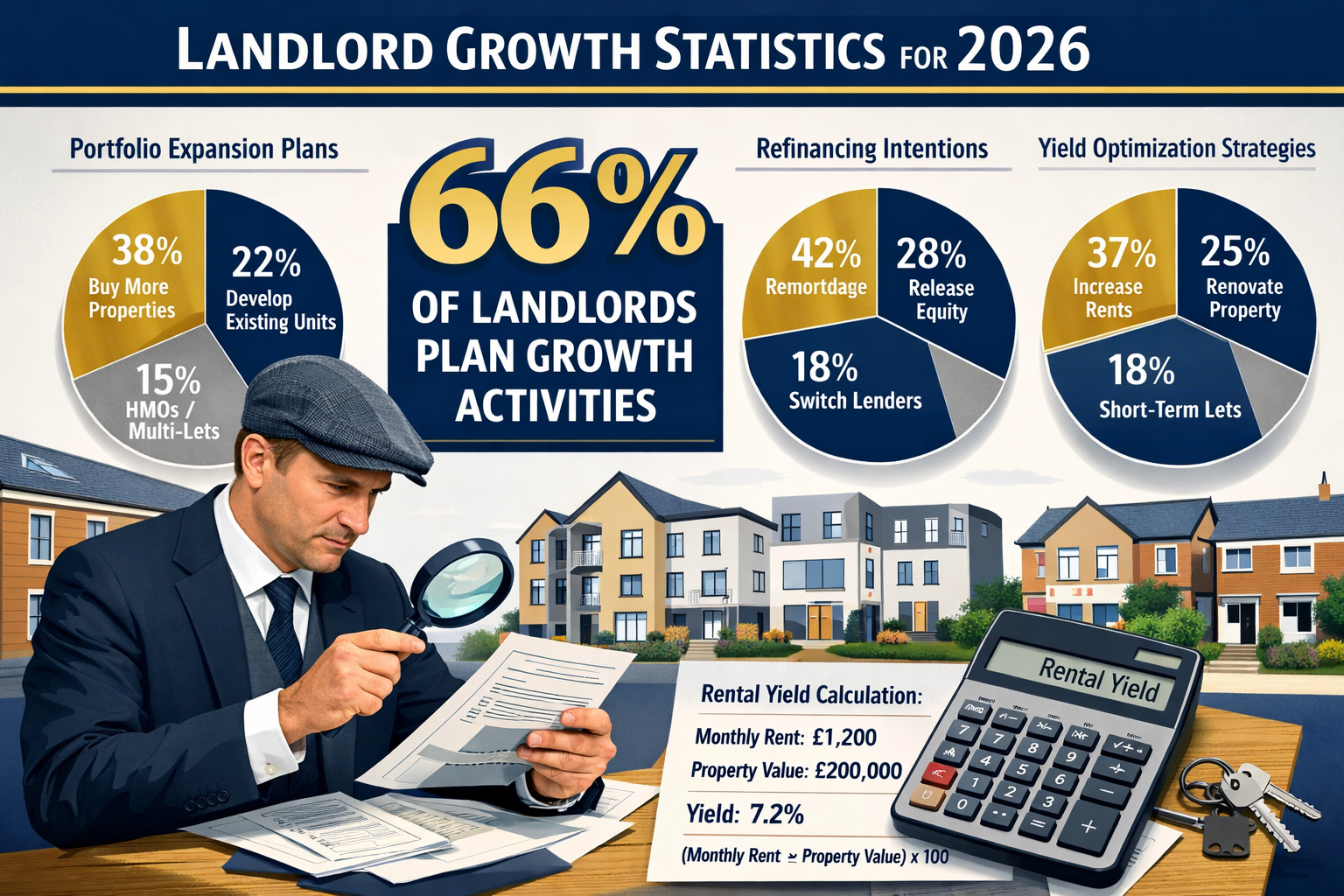
The buy-to-let market in 2026 is experiencing a remarkable transformation. Recent data reveals that 66% of landlords are planning growth activities this year, signaling unprecedented opportunities for property professionals who understand how to capitalize on this momentum. As rental prices continue their upward trajectory and institutional investors demonstrate renewed confidence, Buy-to-Let Valuation Surveys: Capitalizing on Landlord Growth Plans Amid 2026 Rental Market Expansion has become more than just a service—it's a strategic advantage for surveyors ready to meet sophisticated landlord demands.
Professional landlords are no longer satisfied with basic property assessments. They require comprehensive valuations that support portfolio expansion, optimize rental yields, and facilitate strategic refinancing. For chartered surveyors and property professionals, this shift represents a golden opportunity to differentiate services and capture market share in a sector poised for significant growth.
Key Takeaways
- 66% of landlords plan growth activities in 2026, creating substantial demand for specialized buy-to-let valuation services that support portfolio expansion and refinancing strategies
- Rental price expectations have surged, with a net balance of +28% of surveying professionals anticipating increases, up from +16% in the previous period
- Stress testing significantly impacts borrowing capacity—even small variations in rental income assumptions can reduce lending by £15,000 or more, making accurate valuations critical
- Lender scrutiny has intensified in 2026, requiring surveyors to provide both market value assessments and realistic rental income projections backed by solid evidence
- Specialized valuation approaches for unique properties and regional variations offer competitive advantages for surveyors who develop expertise in these niches
Understanding the 2026 Buy-to-Let Market Landscape
The Landlord Growth Imperative
The buy-to-let sector in 2026 is characterized by a distinct divide between professional, growth-oriented landlords and casual property owners. Professional landlords—those who work closely with property professionals and understand the value of proper surveys—are actively expanding their portfolios despite regulatory challenges and taxation changes.[1]
This growth mindset is driven by several compelling factors:
📈 Strong rental demand continues to outpace supply across most UK regions
💰 Rental yield optimization opportunities through strategic property selection
🏘️ Portfolio diversification strategies to spread risk and maximize returns
🔄 Refinancing opportunities as property values stabilize and lending conditions improve
The RICS January 2026 Residential Market Survey confirms this optimistic outlook, reporting that a net balance of +35% of respondents anticipate an increase in sales activity over the year ahead—the strongest reading since December 2024.[3] This recovery in transaction volumes creates fertile ground for surveyors offering specialized buy-to-let valuation services.
Rental Market Expansion Dynamics
Rental price growth expectations have strengthened considerably. The net balance of surveying professionals expecting rental prices to rise stands at +28%, a significant increase from +16% in the previous period.[3] This upward pressure on rents reflects fundamental supply-demand imbalances that show no signs of resolving quickly.
Key market dynamics include:
| Market Factor | 2026 Status | Impact on Valuations |
|---|---|---|
| New Property Supply | Net balance +1% (minimal growth) | Supports higher rental values |
| Rental Demand | Strong and increasing | Validates optimistic income projections |
| Near-term Price Outlook | Net balance -4% (flat) | Requires careful market value assessment |
| 12-month Price Outlook | Net balance +43% (positive) | Supports long-term investment cases |
| Sales Activity | Net balance +35% (strong growth expected) | Increases valuation work volume |
This market environment creates opportunities for surveyors who can provide nuanced valuations that capture both current rental income potential and future capital appreciation prospects. Understanding how rental units should be regularly inspected becomes increasingly important as landlords seek to maintain property values and rental income.
Regional Variations and Opportunities
Not all buy-to-let markets are created equal. Northern England presents particularly attractive opportunities due to favorable price-to-rent ratios that deliver superior yields compared to Southern markets.[5] Surveyors who develop expertise in regional market nuances can provide more accurate valuations and better serve landlords pursuing geographic diversification strategies.
Regional considerations for buy-to-let valuations include:
- Local rental demand drivers (employment centers, universities, transport links)
- Tenant demographics and their impact on property wear and maintenance costs
- Comparable rental evidence from similar properties in the immediate area
- Local authority licensing requirements and their cost implications
- Regional price trends that may differ significantly from national averages
Buy-to-Let Valuation Surveys: Capitalizing on Landlord Growth Plans Through Specialized Services
Portfolio Expansion Valuations
When landlords plan to expand their portfolios, they require valuations that serve multiple strategic purposes beyond simple market value assessment. Buy-to-Let Valuation Surveys: Capitalizing on Landlord Growth Plans Amid 2026 Rental Market Expansion means understanding these multifaceted needs and delivering comprehensive reports that support decision-making.
Essential components of portfolio expansion valuations include:
✅ Market value assessment based on comparable sales evidence
✅ Rental income potential with realistic monthly and annual projections
✅ Yield calculations (gross and net) to enable investment comparison
✅ Capital expenditure requirements for refurbishment or compliance
✅ Stress-tested income scenarios aligned with lender requirements
✅ Future value projections based on local market trends
Professional landlords increasingly seek comprehensive building surveys that identify potential issues before acquisition. A thorough survey can reveal hidden costs that dramatically impact investment returns, from structural issues to compliance requirements.
Refinancing and Remortgage Valuations
The refinancing market represents a significant opportunity for surveyors in 2026. As property values stabilize and lending conditions improve, many landlords are seeking to release equity from existing properties to fund further acquisitions or property improvements.
Refinancing valuations require particular attention to:
🔍 Current market value reflecting recent comparable transactions
📊 Rental income verification with evidence from tenancy agreements
💷 Stress testing implications that determine maximum loan-to-value ratios
🏗️ Property condition assessment affecting lender confidence
📈 Market trend analysis supporting value stability or growth
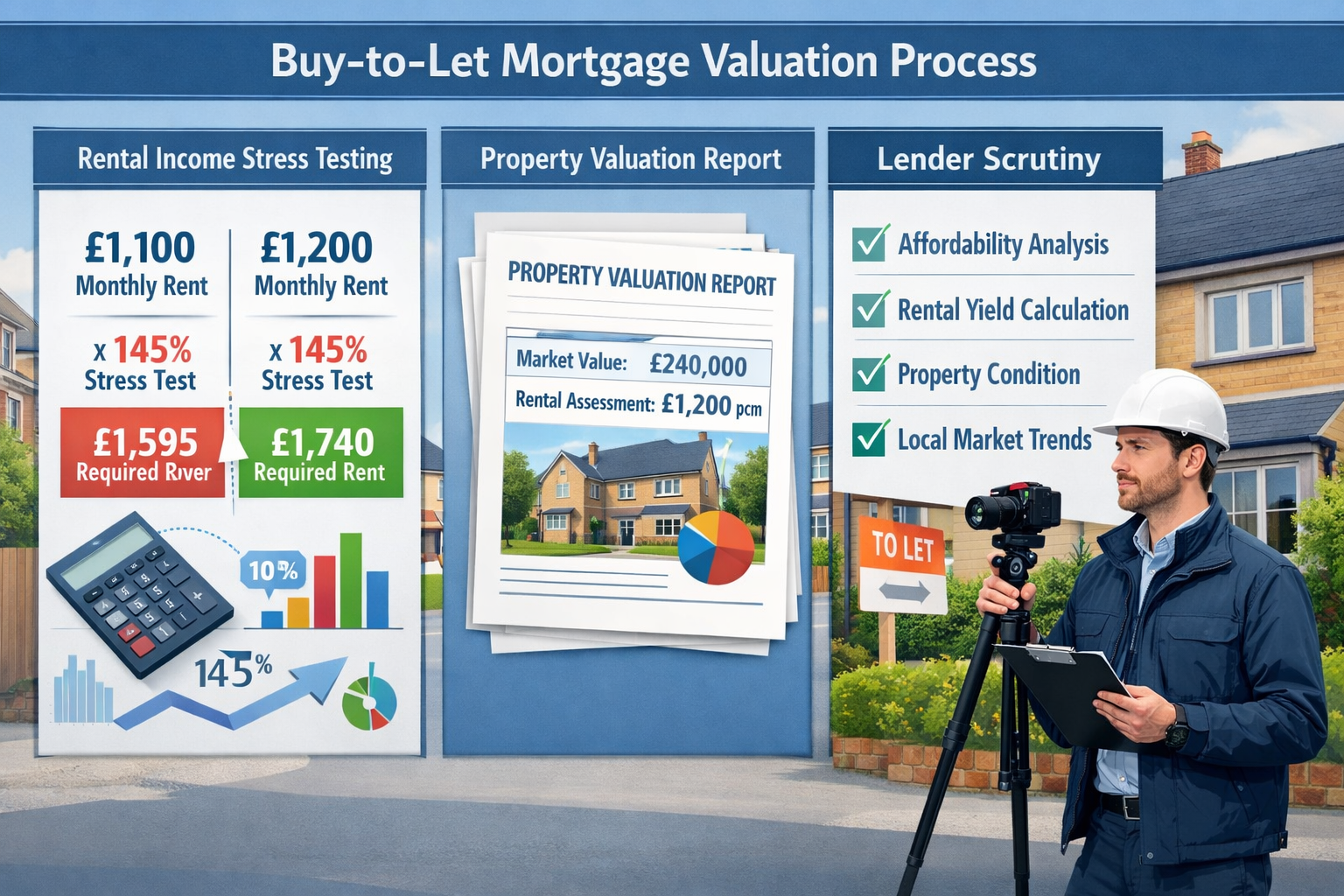
Lenders apply stress tests to rental income assumptions when valuing buy-to-let properties. For example, if a valuer uses a rental income figure of £1,100 rather than a landlord's estimate of £1,200, applying a 145% stress test could reduce borrowing capacity by approximately £15,000.[4] This makes accuracy in rental income assessment absolutely critical.
Understanding the differences between Level 2 and Level 3 surveys helps surveyors recommend the appropriate level of investigation for refinancing purposes, balancing thoroughness with cost-effectiveness.
Yield Optimization Assessments
Sophisticated landlords in 2026 focus intensely on yield optimization—maximizing returns through strategic property selection, targeted improvements, and efficient management. Surveyors who can provide yield-focused valuations add substantial value to these clients.
Yield optimization valuations should address:
- Current yield performance based on actual or achievable rents
- Improvement opportunities that could increase rental income
- Operating cost analysis including maintenance, management, and compliance
- Tenant retention factors affecting vacancy rates and turnover costs
- Comparable yield analysis against similar properties in the portfolio or market
For example, a property generating £1,200 monthly rent (£14,400 annually) purchased for £240,000 delivers a gross yield of 6%. However, if a surveyor identifies that strategic improvements costing £15,000 could increase rent to £1,400 monthly, the yield on the total investment (£255,000) rises to 6.6%—a meaningful improvement that justifies the capital expenditure.
Surveyors should also consider property renovations that add value for tenants, as these improvements directly impact achievable rental income and overall investment returns.
Navigating Lender Requirements and Valuation Challenges in 2026
Intensified Lender Scrutiny
Buy-to-let mortgage valuations face greater scrutiny in 2026 due to tighter affordability conditions and the increasing prevalence of specialist properties.[4] Lenders require comprehensive knowledge of both market value and expected rental income, with particular attention to stress-tested scenarios.
Key areas of lender focus include:
1. Rental Income Evidence
Lenders demand robust evidence supporting rental income projections. Acceptable evidence includes:
- Current tenancy agreements for occupied properties
- Lettings agent rental assessments for the specific property
- Comparable rental evidence from similar properties in the immediate area
- Historical rental performance for the property (if available)
2. Stress Testing Methodology
Most buy-to-let lenders apply stress tests requiring rental income to cover mortgage payments by 125-145% at an assumed interest rate (typically 5-6%).[4] Surveyors must understand these calculations to provide valuations that align with lending criteria.
3. Property Condition Standards
Lenders increasingly require properties to meet minimum condition standards, including:
- Valid Energy Performance Certificate (EPC) ratings (minimum E, preferably C or above)
- Compliance with safety regulations (gas, electrical, fire safety)
- Absence of significant structural defects
- Adequate maintenance and repair standards
Understanding EPC and MEES requirements in building surveys has become essential for buy-to-let valuations, as properties failing to meet these standards face rental restrictions or require capital expenditure before letting.
Specialist Property Considerations
Properties with unique characteristics require different valuation methodologies, demanding that landlords prepare realistic income evidence and anticipate cautious assumptions from valuers.[4] Specialist properties include:
🏢 Houses in Multiple Occupation (HMOs) – requiring room-by-room rental analysis
🏭 Commercial-to-residential conversions – with unique layout and use considerations
🏛️ Listed buildings – subject to conservation restrictions affecting alterations
🌳 Rural properties – with limited comparable evidence and specialist tenant markets
🏗️ New-build investments – requiring consideration of developer rental guarantees
Each specialist property type demands specific valuation expertise. For instance, surveying new-build properties requires different considerations than valuing older properties, particularly regarding warranties, defects periods, and initial rental achievability.
Addressing Valuation Shortfalls
One of the most challenging scenarios for landlords occurs when a valuation comes in below expectations, potentially derailing financing arrangements. Surveyors can add value by:
Providing detailed justification for valuations, including:
- Comprehensive comparable evidence with adjustments explained
- Market trend analysis supporting the valuation figure
- Clear explanation of any property-specific factors affecting value
- Rental income analysis with supporting evidence
Offering solutions when valuations fall short:
- Identifying specific improvements that could increase value
- Suggesting alternative financing structures
- Recommending second opinions or appeals where appropriate
- Advising on realistic timescales for value appreciation
For guidance on handling valuation challenges, landlords and surveyors can reference advice on what to do when home valuation is less than an offer, which applies equally to investment property scenarios.
Strategic Opportunities for Surveyors in the 2026 Market
Differentiating Through Specialized Expertise
The competitive landscape for surveying services remains fierce in 2026, with pressure on fees particularly for higher-value properties.[3] However, surveyors who develop specialized expertise in buy-to-let valuations can command premium fees by delivering superior value to growth-oriented landlords.
Differentiation strategies include:
📚 Developing niche expertise in specific property types (HMOs, student accommodation, professional lets)
🗺️ Geographic specialization in high-yield regions or emerging rental markets
💼 Offering bundled services combining valuations with yield optimization consulting
🤝 Building lender relationships to streamline the valuation-to-mortgage process
📱 Leveraging technology for faster turnaround and enhanced reporting
The broader surveying sector expects an uplift in volumes across both lending and surveys, with many lenders forecasting increased volumes and a strong start to the year.[1] Positioning services to capture this growth requires proactive marketing and relationship development with landlord clients and mortgage intermediaries.
Embracing Regulatory Changes and Market Reforms
The UK government is consulting on proposals requiring property condition assessments to become a standard upfront requirement, which could significantly increase demand for surveys earlier in the purchasing process if implemented.[1] Surveyors who prepare for these potential changes can gain first-mover advantages.
Preparation strategies include:
- Developing standardized survey products suitable for upfront assessments
- Educating clients about the benefits of early survey commissioning
- Streamlining processes to deliver rapid turnaround for time-sensitive transactions
- Creating digital reporting formats that facilitate easy sharing among transaction parties
Understanding statutory considerations in building surveys becomes increasingly important as regulatory requirements evolve and impact both property values and rental viability.
Building Long-Term Client Relationships
Professional landlords with growth plans represent ideal long-term clients for surveyors. A landlord acquiring one property in 2026 may purchase several more over subsequent years, each requiring valuation services. Building lasting relationships requires:
✨ Delivering exceptional service that exceeds basic valuation requirements
📞 Maintaining regular contact to understand evolving portfolio strategies
🎓 Providing market insights that help clients make informed decisions
🔄 Offering ongoing services such as periodic revaluations and portfolio reviews
🤝 Demonstrating partnership rather than transactional service provision
Surveyors should also consider complementary services that add value for landlord clients, such as budgeting for repairs and restoration, which helps investors plan capital expenditure and maintain property values.
Leveraging Technology and Data Analytics
Technology is transforming surveying in 2026, with advanced tools enabling more accurate valuations, faster reporting, and enhanced client service.[6] Forward-thinking surveyors are investing in:
Digital surveying tools including:
- Laser measurement devices for precise property dimensions
- Thermal imaging cameras for identifying hidden defects
- Drone photography for roof and exterior inspections
- Mobile apps for on-site data capture and reporting
Data analytics platforms providing:
- Real-time comparable sales and rental data
- Predictive modeling for rental income and value trends
- Portfolio performance benchmarking
- Market trend visualization and reporting
Client communication systems featuring:
- Online portals for report delivery and access
- Digital scheduling and appointment management
- Automated status updates throughout the valuation process
- Interactive reports with embedded photos and floor plans
By combining traditional surveying expertise with modern technology, professionals can deliver superior service while improving operational efficiency and profitability.
Practical Guidance for Conducting Buy-to-Let Valuations
Pre-Inspection Preparation
Thorough preparation before the property inspection ensures efficient site visits and comprehensive data collection. Essential preparation steps include:
1. Client Brief Review
- Understand the valuation purpose (purchase, refinance, portfolio review)
- Clarify lender requirements and specific reporting needs
- Identify any specialist property characteristics requiring additional expertise
- Confirm access arrangements and tenant notification requirements
2. Desktop Research
- Review Land Registry title information and ownership history
- Research planning history and building control approvals
- Identify comparable sales and rental evidence in the area
- Check local authority records for licensing requirements or enforcement notices
- Review previous survey reports if available
3. Equipment and Documentation
- Prepare comprehensive inspection checklist
- Ensure all measurement and testing equipment is calibrated and functional
- Bring relevant guidance documents and regulatory standards
- Prepare client questionnaire for property-specific information
Understanding what is involved in a Level 3 building survey provides a framework for thorough property inspection, even when conducting more focused buy-to-let valuations.
On-Site Inspection Best Practices
The property inspection represents the foundation of accurate valuation. Comprehensive inspection should cover:
External Assessment:
- Overall property condition and age
- Roof condition and remaining life expectancy
- External walls, windows, and doors
- Drainage and external services
- Boundaries, access, and parking provision
- Garden or outdoor space condition
Internal Assessment:
- Room dimensions and layout (particularly important for HMO valuations)
- Decoration and presentation standards
- Kitchen and bathroom quality and condition
- Heating system type, age, and efficiency
- Electrical installation condition (visible aspects)
- Signs of damp, condensation, or structural movement
- Fire safety provisions (smoke alarms, escape routes)
Tenant Impact Considerations:
- Current rental income and tenancy terms
- Tenant care standards and property maintenance
- Any tenant improvements or alterations
- Lease terms affecting value or rental potential
For properties showing signs of issues, surveyors should be prepared to identify areas requiring further investigation and recommend specialist assessments where appropriate.
Rental Income Assessment Methodology
Accurate rental income assessment is critical for buy-to-let valuations. Best practice methodology includes:
Step 1: Comparable Rental Evidence
Gather evidence of actual achieved rents for similar properties, considering:
- Property type, size, and condition
- Location and proximity to amenities
- Tenant type (professional, student, family, etc.)
- Lease terms and included services
- Furnished vs. unfurnished status
Step 2: Property-Specific Adjustments
Adjust comparable evidence for differences:
- Superior or inferior condition (+/- £50-150 per month typically)
- Additional or fewer bedrooms/bathrooms (+/- £100-200 per room)
- Parking provision (+/- £50-100 per month)
- Garden or outdoor space (+/- £50-100 per month)
- Modern improvements or dated features (+/- £75-150 per month)
Step 3: Market Trend Analysis
Consider current market conditions:
- Recent rental growth or decline in the area
- Seasonal variations affecting achievability
- Supply-demand balance for the property type
- Economic factors affecting tenant affordability
Step 4: Stress Testing Validation
Ensure rental assessment supports required loan-to-value ratios:
- Calculate coverage at lender's stress test rate (typically 5-6%)
- Verify rental income meets 125-145% coverage requirement
- Document assumptions and evidence supporting the assessment
Valuation Reporting Excellence
The valuation report represents the deliverable that clients and lenders rely upon for critical decisions. Excellent reporting includes:
Executive Summary providing:
- Clear statement of market value
- Rental income assessment with confidence level
- Gross and net yield calculations
- Key factors affecting value and rental potential
- Summary of any significant issues or recommendations
Detailed Analysis covering:
- Comprehensive property description
- Comparable evidence with adjustments explained
- Market context and trend analysis
- Rental income methodology and evidence
- Capital expenditure requirements identified
- Regulatory compliance status (EPC, safety certificates, licensing)
Supporting Documentation:
- Site location plan and floor plans
- Photographs of key features and any defects
- Comparable evidence schedules
- Rental income calculations and stress testing
- Relevant certificates and documentation
Professional presentation enhances perceived value and supports premium fee positioning. Consider developing templated reports that maintain consistency while allowing customization for specific property types and client requirements.
Future-Proofing Buy-to-Let Valuation Services
Anticipating Market Evolution
The buy-to-let market will continue evolving throughout 2026 and beyond. Key trends to monitor include:
Regulatory Developments:
- Energy efficiency requirements becoming more stringent
- Tenant protection legislation affecting rental income security
- Licensing requirements expanding to more property types and areas
- Building safety regulations following Grenfold Tower inquiry recommendations
Market Dynamics:
- Interest rate movements affecting landlord borrowing costs
- Tax policy changes impacting investment returns
- Demographic shifts influencing rental demand patterns
- Economic conditions affecting tenant affordability
Technology Integration:
- PropTech solutions changing property management practices
- Digital tenancy processes and smart home features
- Remote viewing and virtual surveying capabilities
- Blockchain and tokenization of property investments
Surveyors who stay informed about these trends can advise clients proactively and position services to address emerging needs.
Continuous Professional Development
Maintaining expertise in buy-to-let valuations requires ongoing learning and development. Priority areas include:
📖 Market knowledge through regular review of:
- RICS market surveys and research publications
- Local estate agent and lettings market reports
- Economic forecasts and interest rate projections
- Regulatory consultations and legislative changes
🎓 Technical skills development in:
- Advanced valuation methodologies for specialist properties
- Rental income modeling and yield optimization
- Building pathology and defect diagnosis
- Energy efficiency assessment and improvement strategies
🤝 Professional networking via:
- RICS regional groups and special interest panels
- Landlord associations and property investor forums
- Lender and mortgage broker relationship building
- Peer review and knowledge sharing with fellow surveyors
💻 Technology competency including:
- Surveying software and mobile data capture tools
- Data analytics and market intelligence platforms
- Digital reporting and client communication systems
- Emerging technologies like AI-assisted valuation tools
Building a Sustainable Practice
Creating a sustainable buy-to-let valuation practice requires balancing growth ambitions with quality service delivery and risk management. Success factors include:
Quality Assurance Systems:
- Peer review processes for complex valuations
- Standardized inspection and reporting protocols
- Regular calibration against market outcomes
- Client feedback mechanisms and service improvement
Risk Management:
- Comprehensive professional indemnity insurance
- Clear terms of engagement and limitation of liability
- Thorough documentation of assumptions and methodology
- Regular review of compliance with RICS standards and guidance
Business Development:
- Targeted marketing to landlord and investor audiences
- Strategic partnerships with mortgage brokers and lettings agents
- Content marketing demonstrating expertise and market knowledge
- Referral programs rewarding client and professional introductions
Operational Efficiency:
- Streamlined workflows reducing time per instruction
- Technology investment improving productivity
- Appropriate fee structures supporting profitability
- Capacity planning to handle volume fluctuations
For surveyors seeking to expand their service offerings, understanding related services such as professional valuation services can provide cross-selling opportunities and enhanced client value.
Conclusion: Seizing the 2026 Buy-to-Let Opportunity

Buy-to-Let Valuation Surveys: Capitalizing on Landlord Growth Plans Amid 2026 Rental Market Expansion represents more than a service offering—it's a strategic positioning that aligns surveying expertise with a significant market opportunity. With 66% of landlords planning growth activities, rental price expectations strengthening, and transaction volumes recovering, the conditions are ideal for surveyors to differentiate themselves and capture market share.
The key to success lies in understanding that professional landlords require more than basic property valuations. They need strategic partners who can provide comprehensive assessments supporting portfolio expansion, optimize rental yields, facilitate refinancing, and navigate increasingly complex lender requirements. Surveyors who develop specialized expertise, embrace technology, maintain rigorous quality standards, and build lasting client relationships will thrive in this expanding market.
Actionable Next Steps
For surveyors looking to capitalize on this opportunity:
✅ Assess your current capabilities in buy-to-let valuations and identify skill gaps requiring development
✅ Research your local rental market to understand yield opportunities, tenant demographics, and competitive dynamics
✅ Develop specialized service packages for portfolio expansion, refinancing, and yield optimization
✅ Build relationships with mortgage brokers, lettings agents, and landlord associations in your area
✅ Invest in technology that improves efficiency, accuracy, and client communication
✅ Create marketing materials that demonstrate your expertise and understanding of landlord growth strategies
✅ Stay informed about regulatory changes, lender requirements, and market trends affecting buy-to-let investments
✅ Consider additional training in specialist areas like HMO valuations, energy efficiency assessment, or regional market expertise
The 2026 rental market expansion offers substantial opportunities for surveyors who position themselves strategically. By delivering exceptional buy-to-let valuation services that support landlord growth plans, you can build a sustainable, profitable practice while helping clients achieve their investment objectives.
The time to act is now. Professional landlords are making investment decisions today that will shape their portfolios for years to come. Ensure your surveying services are positioned to support their success—and capture your share of this growing market.
References
[1] Surveying In 2026 Reform Recovery And Renewed Demand – lrg.co.uk
[2] How Much Does A House Survey Cost – hoa.org.uk
[3] Uk Residential Market Survey January 2026 – rics.org
[4] Buy To Let Mortgage Valuations 2026 – property118.com
[5] Valuing Northern England Properties In 2026 Surveyor Tactics For Outpacing Southern Affordability Pressures – nottinghillsurveyors.com
[6] 2026 Forecasts Technology And Surveying – mortgagesoup.co.uk
[7] Buy To Let – esurv.co.uk