

Understanding Delap Survey: Your Complete Guide to Property Condition Assessments

When property owners face the daunting task of understanding their building’s true condition, a delap survey emerges as one of the most comprehensive assessment tools available. This specialized survey type goes beyond surface-level inspections to provide detailed insights into property deterioration, maintenance requirements, and future liabilities.
Key Takeaways
• Delap surveys provide comprehensive assessments of property condition and deterioration schedules
• These surveys are essential for landlords, tenants, and property managers planning maintenance budgets
• Professional surveyors conduct thorough inspections covering structural, mechanical, and cosmetic elements
• The survey results help prevent costly disputes and ensure compliance with lease obligations
• Early identification of defects through delap surveys can save thousands in emergency repairs
What is a Delap Survey? 📋

A delap survey, also known as a dilapidations survey, represents a detailed assessment of a property’s condition at a specific point in time. This comprehensive evaluation examines the state of repair and identifies areas requiring maintenance, renovation, or replacement.
The term “delap” derives from “dilapidations,” which refers to the deterioration or disrepair of a property. Professional surveyors conduct these surveys to establish baseline conditions, assess compliance with lease terms, or prepare for potential dilapidation claims.
Core Components of a Delap Survey
A thorough delap survey encompasses several critical areas:
- Structural elements including foundations, walls, and roofing systems
- Mechanical systems such as heating, ventilation, and plumbing
- Electrical installations and safety compliance
- Interior finishes including flooring, walls, and ceilings
- External features like facades, windows, and landscaping
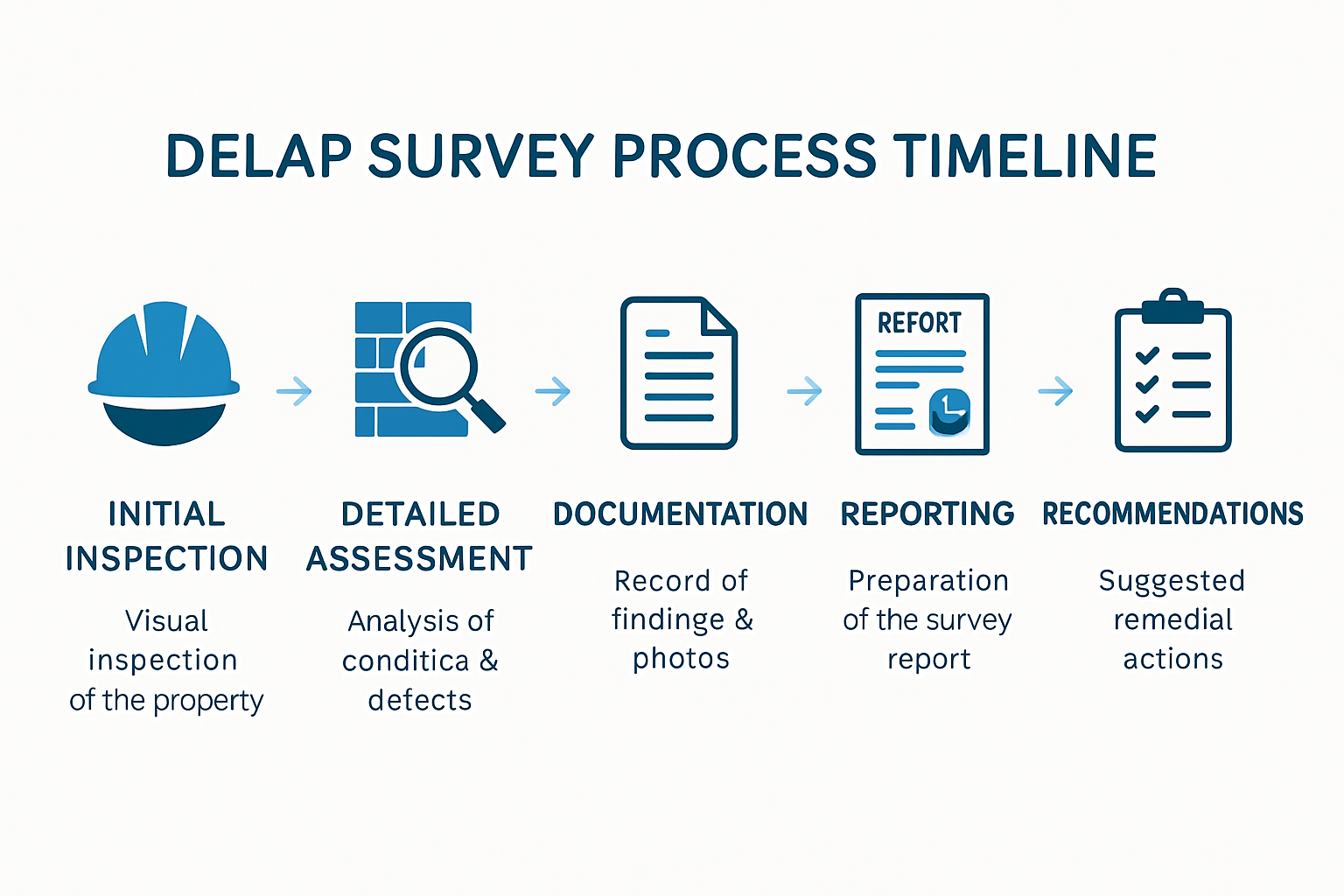
The survey process involves systematic documentation through photographs, detailed descriptions, and condition ratings for each element examined.
The Delap Survey Process: Step-by-Step Breakdown 🔍
Understanding how a delap survey unfolds helps property stakeholders prepare effectively and maximize the assessment’s value.
Initial Consultation and Planning
The process begins with a detailed consultation where surveyors discuss:
- Survey objectives and specific areas of concern
- Property access requirements and scheduling
- Documentation needs for lease compliance or dispute resolution
- Timeline expectations for completion and reporting
Comprehensive Property Inspection
During the physical inspection phase, qualified surveyors methodically examine every accessible area of the property. This includes:
External Assessment:
- Roof condition and weatherproofing
- Wall integrity and pointing
- Window and door functionality
- Drainage systems and guttering
- External lighting and security features
Internal Evaluation:
- Room-by-room condition assessment
- Fixture and fitting evaluation
- Mechanical system performance
- Safety compliance verification
- Decoration and maintenance standards
Documentation and Evidence Gathering
Surveyors create comprehensive records through:
- High-resolution photography of all defects and areas of concern
- Detailed written descriptions of condition issues
- Measurements and specifications for repair requirements
- Compliance checks against lease obligations or building standards
Benefits of Conducting a Delap Survey 💡
Property stakeholders gain numerous advantages from commissioning professional delap surveys:
Risk Mitigation and Cost Control
Early identification of maintenance issues prevents minor problems from escalating into major expenses. Property owners who understand common defects can budget effectively for necessary repairs and avoid emergency situations.
Legal Protection and Compliance
Delap surveys provide crucial evidence for:
- Lease compliance verification
- Dilapidation claim defense or prosecution
- Insurance purposes and risk assessment
- Due diligence during property transactions
Strategic Maintenance Planning
Survey results enable property managers to:
- Prioritize repair work based on urgency and cost
- Develop long-term maintenance schedules
- Allocate budgets effectively across multiple properties
- Plan tenant improvements and upgrades strategically
When to Commission a Delap Survey 📅
Several scenarios warrant professional delap survey assessment:
Lease Commencement and Termination
At lease start: Establish baseline conditions to protect both landlord and tenant interests. This documentation proves invaluable when determining responsibility for future repairs.
Before lease end: Assess compliance with repairing obligations and identify potential dilapidation liabilities. Understanding why property owners hire surveyors becomes crucial during these transitions.
Property Acquisition and Disposal
Buyers benefit from delap surveys by understanding the true condition and future maintenance costs of prospective properties. Sellers can address issues proactively or adjust pricing based on survey findings.
Periodic Maintenance Reviews
Regular delap surveys help property managers maintain optimal building conditions and prevent deterioration. Essential items every homeowner should have include maintenance schedules based on professional assessments.
Cost Considerations for Delap Surveys 💰
Survey costs vary significantly based on several factors:
| Property Type | Typical Cost Range | Duration |
|---|---|---|
| Small Retail Unit | £500 – £1,200 | 1-2 days |
| Office Building | £1,500 – £3,500 | 2-4 days |
| Industrial Warehouse | £2,000 – £5,000 | 3-5 days |
| Multi-unit Residential | £3,000 – £8,000 | 5-10 days |
Factors Affecting Survey Costs
- Property size and complexity
- Access requirements and safety considerations
- Survey scope and level of detail required
- Urgency and scheduling constraints
- Additional services such as specialist reports
The investment in a professional delap survey often pays for itself through:
- Avoided emergency repairs and associated costs
- Improved negotiating position in lease discussions
- Reduced insurance premiums through risk mitigation
- Enhanced property value through proactive maintenance
Choosing the Right Surveyor for Your Delap Survey 🏆
Selecting qualified professionals ensures accurate assessments and reliable results:
Essential Qualifications and Experience
Look for surveyors with:
- RICS membership (Royal Institution of Chartered Surveyors)
- Relevant experience in your property type
- Professional indemnity insurance for protection
- Local market knowledge and regulatory understanding
Questions to Ask Potential Surveyors
- What specific experience do you have with delap surveys?
- Can you provide references from similar projects?
- What software and technology do you use for documentation?
- How do you ensure comprehensive coverage of all property elements?
- What format will the final report take?
Building surveyors in London offer specialized expertise for urban properties with unique challenges and regulatory requirements.
Understanding Your Delap Survey Report 📊
Professional survey reports provide structured information designed for practical application:
Report Structure and Content
Executive Summary:
- Key findings and priority issues
- Overall property condition rating
- Immediate action requirements
- Cost estimates for major repairs
Detailed Findings:
- Room-by-room condition assessments
- Photographic evidence of defects
- Compliance status with lease obligations
- Recommended repair specifications
Appendices:
- Technical specifications and standards
- Regulatory compliance checklists
- Maintenance scheduling recommendations
- Cost breakdown estimates
Acting on Survey Recommendations
Effective use of survey results involves:
- Prioritizing urgent repairs that affect safety or compliance
- Planning medium-term maintenance based on deterioration schedules
- Budgeting for improvements that enhance property value
- Documenting actions taken for future reference
Common Issues Identified in Delap Surveys ⚠️
Understanding typical problems helps property stakeholders prepare for potential findings:
Structural Concerns
- Foundation settlement and movement
- Roof deterioration and water ingress
- Wall cracking and pointing failure
- Window and door operational issues
Mechanical System Problems
- Heating system inefficiency and breakdowns
- Plumbing issues including leaks and blockages
- Electrical safety compliance failures
- Ventilation inadequacy and air quality concerns
Cosmetic and Maintenance Issues
- Decoration standards below lease requirements
- Flooring wear and damage
- Lighting inadequacy and fixture failures
- Cleaning and hygiene standard deficiencies
Professional structural engineers may be required for complex structural assessments beyond the scope of standard delap surveys.
Delap Survey vs. Other Property Assessments 🔄
Understanding the distinctions between survey types helps property stakeholders choose appropriate assessments:
Delap Survey vs. Building Survey
While both examine property condition, delap surveys focus specifically on:
- Lease compliance and dilapidation liabilities
- Maintenance obligations and repair standards
- Commercial property requirements and regulations
- Tenant improvements and alterations assessment
Building surveys typically serve residential property purchases and provide broader structural assessments.
Delap Survey vs. Condition Survey
Condition surveys offer general property assessments, while delap surveys provide:
- Detailed repair specifications and cost estimates
- Legal compliance verification and documentation
- Dilapidation claim preparation and evidence
- Maintenance scheduling and priority ranking
Conclusion 🎯
A delap survey represents an invaluable investment for property stakeholders seeking comprehensive condition assessments and strategic maintenance planning. These detailed evaluations provide essential insights for legal compliance, cost control, and risk mitigation across all property types.
The systematic approach of professional delap surveys ensures thorough documentation of property conditions, enabling informed decision-making for repairs, maintenance, and future planning. Whether facing lease transitions, property acquisitions, or routine maintenance reviews, commissioning qualified surveyors delivers measurable benefits through early problem identification and strategic recommendations.
Next Steps:
- Assess your property needs and survey objectives
- Research qualified surveyors with relevant experience and credentials
- Schedule consultations to discuss scope and requirements
- Plan survey timing around access and operational considerations
- Prepare for implementation of survey recommendations and findings
For expert guidance on delap surveys and comprehensive property assessments, contact professional surveyors who can provide tailored solutions for your specific requirements.
How Prince Surveyors can help: explore our Level 3 building surveys or learn about our Level 2 vs Level 3 guide.