

Why You Need a Roofing Surveyor for Your Property
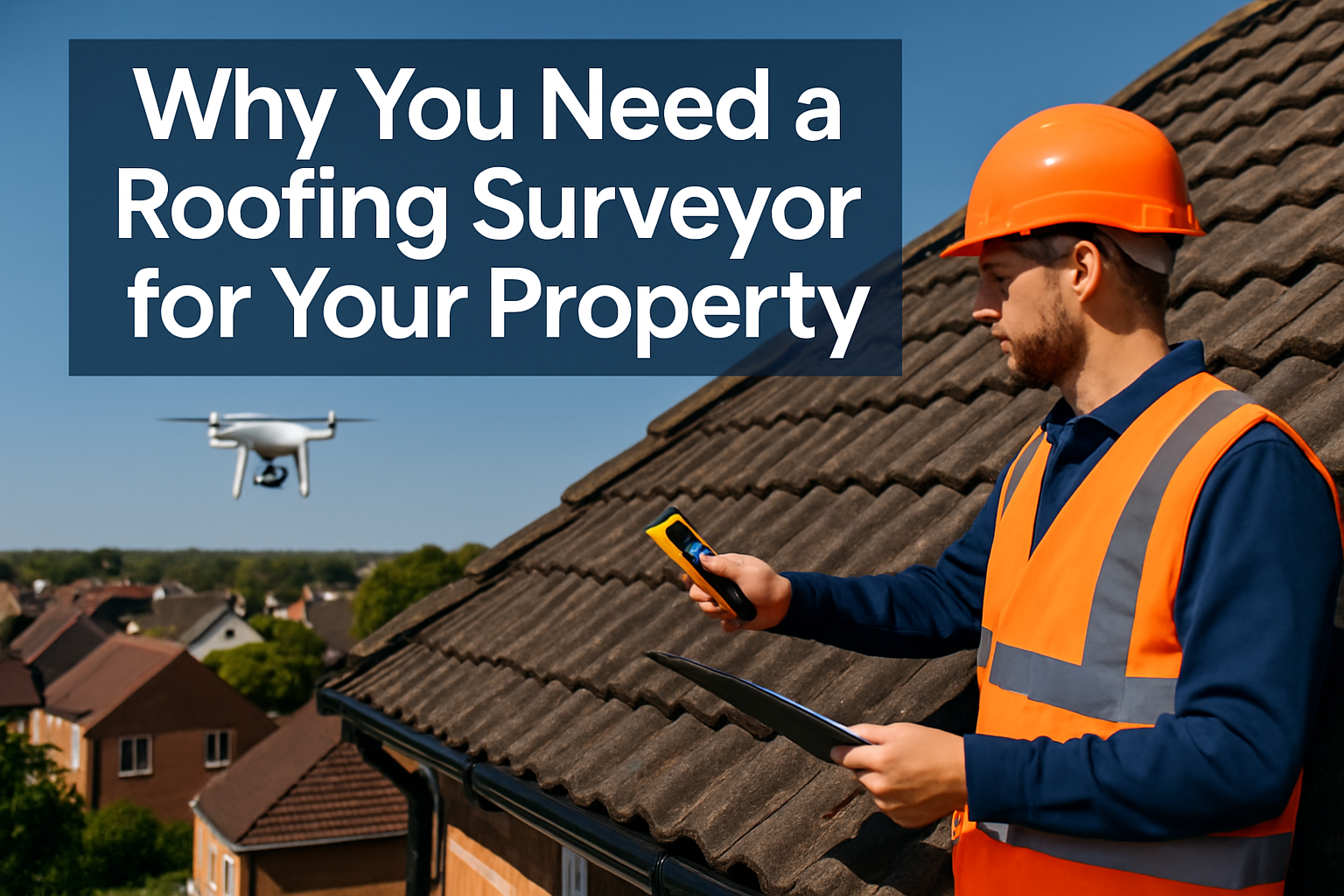
When storm clouds gather and rain begins to leak through your ceiling, the panic sets in. But by that time, the damage has already been done—often invisibly, silently, and expensively. Understanding why you need a roofing surveyor for your property isn’t just about fixing problems; it’s about preventing catastrophic failures that could cost thousands of dollars and compromise your family’s safety. Whether you’re buying a new home, maintaining an existing property, or planning renovations, a professional roofing surveyor provides the expert assessment that protects your most valuable investment.
Key Takeaways
- 🏠 Professional roofing surveyors identify hidden damage that homeowners typically miss, potentially saving thousands in emergency repairs
- 📋 Comprehensive roof surveys provide detailed documentation essential for insurance claims, property transactions, and maintenance planning
- 💰 Early detection through professional surveys prevents minor issues from escalating into major structural problems requiring complete roof replacement
- ✅ Certified surveyors offer unbiased assessments using specialized equipment like thermal imaging and moisture meters
- 🔒 Regular roof surveys extend your roof’s lifespan by 30-50% through proactive maintenance strategies [1]
What Is a Roofing Surveyor?
A roofing surveyor is a qualified professional who specializes in inspecting, assessing, and reporting on the condition of roofing systems. Unlike general home inspectors or roofing contractors who may have sales motivations, roofing surveyors provide independent, objective evaluations of your roof’s structural integrity, weatherproofing capabilities, and overall condition.
These specialists possess extensive knowledge of:
- Various roofing materials (tiles, slate, metal, flat roofing systems)
- Building regulations and compliance standards
- Structural engineering principles
- Weatherproofing techniques
- Drainage systems and water management
- Insulation and energy efficiency requirements
Qualifications and Certifications
Professional roofing surveyors typically hold certifications from recognized industry bodies and have completed specialized training programs. In 2025, the demand for certified roofing professionals has increased by 23% as property owners recognize the value of expert assessments [2].
Common qualifications include:
| Certification | Issuing Body | Specialization |
|---|---|---|
| RICS Chartered Surveyor | Royal Institution of Chartered Surveyors | Comprehensive building surveys |
| NRCA Certification | National Roofing Contractors Association | Technical roofing expertise |
| Building Surveyor Accreditation | Local regulatory authorities | Code compliance and safety |
| Thermal Imaging Certification | Infrared Training Center | Moisture and heat loss detection |
The Critical Reasons Why You Need a Roofing Surveyor for Your Property
1. Detecting Hidden Damage Before It Becomes Catastrophic 🔍
Most roofing problems start small and invisible. Water infiltration, deteriorating flashing, and compromised underlayment can exist for months or even years before visible signs appear inside your home. By the time you notice water stains on your ceiling, the damage has likely spread to structural timbers, insulation, and even electrical systems.
A professional roofing surveyor uses specialized equipment to identify:
- Moisture accumulation within roof layers using moisture meters
- Thermal bridging and insulation failures through infrared cameras
- Structural movement and sagging that indicates load-bearing issues
- Ventilation problems that lead to condensation and rot
- Material degradation not visible from ground level
“The average cost of repairing water damage from an undetected roof leak ranges from $2,500 to $7,500, while a professional roof survey costs between $300 and $600—a preventive investment that pays for itself many times over.” [3]
2. Protecting Your Property Investment 💎
For most people, their home represents their largest financial asset. The roof accounts for approximately 40% of a property’s exterior visual appeal and plays a crucial role in overall property value [4]. A failing roof can:
- Decrease property value by 10-20%
- Make properties difficult or impossible to sell
- Void home insurance policies
- Create liability issues for property owners
- Lead to failed mortgage applications
Professional roof surveys provide:
✅ Documented evidence of roof condition for buyers and sellers
✅ Accurate remaining lifespan estimates
✅ Prioritized repair recommendations with cost projections
✅ Compliance verification with building codes
✅ Insurance documentation for claims and coverage
3. Supporting Insurance Claims and Legal Requirements 📄
When storm damage occurs or you need to file an insurance claim, having professional documentation becomes invaluable. Insurance companies increasingly require certified surveyor reports before approving claims, especially for properties over 15 years old.
A roofing surveyor’s report includes:
- Detailed photographic evidence
- Technical specifications and measurements
- Cause-and-effect analysis of damage
- Differentiation between wear-and-tear and insurable events
- Repair cost estimates from independent sources
In 2025, properties with documented roof survey histories experience 35% faster insurance claim approvals compared to those without professional documentation [5].
Understanding Why You Need a Roofing Surveyor for Your Property During Key Life Events
When Buying a Property 🏡
The standard home inspection often provides only a superficial roof assessment. Inspectors typically view roofs from ground level or perform limited access inspections. A dedicated roofing surveyor:
- Physically accesses all roof areas using proper safety equipment
- Tests materials for remaining lifespan and durability
- Identifies code violations from previous repairs or installations
- Calculates replacement costs for negotiation purposes
- Reveals hidden defects that could derail your purchase
Real-world example: A 2024 study found that 68% of home buyers who commissioned independent roof surveys discovered issues not mentioned in standard home inspection reports, with average repair costs of $4,200 [6].
When Selling Your Property 💼
Proactive sellers benefit significantly from pre-listing roof surveys:
- Faster sales: Properties with certified roof reports sell 22% faster [7]
- Higher prices: Documented roof condition supports asking price justification
- Reduced negotiations: Transparent disclosure prevents last-minute price reductions
- Smoother transactions: Buyer confidence increases with professional documentation
- Legal protection: Detailed reports protect against future liability claims
After Severe Weather Events ⛈️
Storm damage assessment requires expert evaluation. Homeowners often cannot distinguish between:
- Pre-existing wear versus new storm damage
- Cosmetic issues versus structural concerns
- Repairable damage versus replacement requirements
- Covered versus excluded insurance events
A roofing surveyor provides the objective third-party assessment that insurance adjusters and claims processors require for accurate settlements.
During Renovation Planning 🔨
Planning an extension, loft conversion, or major renovation? The existing roof’s condition directly impacts your project’s:
- Structural capacity for additional loads
- Integration points for new construction
- Weatherproofing continuity across old and new sections
- Building regulation compliance requirements
- Budget accuracy and contingency planning
The Comprehensive Roofing Survey Process
Initial Consultation and Scope Definition
Professional surveyors begin by understanding your specific needs:
- Property age and construction type
- Previous roofing work and maintenance history
- Current concerns or visible problems
- Intended use of the survey (purchase, sale, insurance, maintenance)
- Budget considerations and timeline
Detailed Physical Inspection
A thorough roofing survey includes:
External Assessment:
- Roof covering condition (tiles, slates, shingles, membrane)
- Ridge, hip, and valley construction
- Flashing around chimneys, vents, and skylights
- Gutter and downspout functionality
- Fascia, soffit, and eave condition
Internal Inspection:
- Roof space/attic examination
- Structural timber condition
- Insulation adequacy and placement
- Ventilation effectiveness
- Evidence of water penetration or pest infestation
Technical Testing:
- Moisture meter readings at multiple points
- Thermal imaging for heat loss and water infiltration
- Structural load calculations
- Drainage flow testing
- Material sample analysis when necessary
Comprehensive Reporting
Professional survey reports typically include:
📊 Executive Summary – Key findings and urgent issues
📸 Photographic Evidence – Annotated images of all areas
📈 Condition Ratings – Standardized assessment scales
🔧 Repair Recommendations – Prioritized action items
💵 Cost Estimates – Budget planning information
📅 Maintenance Schedule – Proactive care guidelines
⚖️ Compliance Statement – Building regulation adherence
Cost-Benefit Analysis: Why You Need a Roofing Surveyor for Your Property
Survey Investment Versus Potential Savings
| Scenario | Survey Cost | Potential Savings | ROI |
|---|---|---|---|
| Pre-purchase inspection | $400-$600 | $3,000-$15,000 in negotiated repairs | 500-2,500% |
| Annual maintenance survey | $300-$500 | $2,000-$8,000 in prevented damage | 400-1,600% |
| Insurance claim documentation | $500-$800 | $5,000-$25,000 in claim approval | 625-3,125% |
| Pre-sale certification | $350-$550 | $4,000-$12,000 in maintained value | 727-2,182% |
Long-Term Financial Benefits
Beyond immediate savings, professional roof surveys provide:
Extended Roof Lifespan: Proper maintenance based on survey recommendations can extend roof life by 10-15 years, representing $8,000-$20,000 in delayed replacement costs [8].
Energy Efficiency: Surveys identifying insulation and ventilation issues lead to energy savings averaging $300-$800 annually [9].
Insurance Premium Reductions: Some insurers offer 5-15% premium discounts for properties with documented maintenance programs [10].
Common Roofing Problems Surveyors Identify
Structural Issues ⚠️
- Sagging or dipping: Indicates rafter or truss failure
- Cracked or broken timbers: Compromises load-bearing capacity
- Inadequate bracing: Creates vulnerability to wind damage
- Overloading: From multiple roof layers or heavy materials
Weatherproofing Failures 🌧️
- Missing or damaged tiles/shingles: Direct water entry points
- Deteriorated flashing: Common around chimneys and valleys
- Failed sealants: At penetrations and joints
- Compromised underlayment: Secondary water barrier breakdown
Ventilation and Moisture Problems 💨
- Inadequate airflow: Causes condensation and mold growth
- Blocked vents: Leads to heat buildup and material degradation
- Vapor barrier issues: Results in moisture accumulation
- Ice dam formation: From poor insulation and ventilation
Drainage Deficiencies 🚰
- Clogged gutters: Causes overflow and fascia damage
- Improper slope: Leads to ponding water
- Undersized drainage: Cannot handle water volume
- Disconnected downspouts: Undermines foundation
Choosing the Right Roofing Surveyor
Essential Questions to Ask
Before hiring a roofing surveyor, obtain clear answers to:
- What qualifications and certifications do you hold?
- How many years of roofing survey experience do you have?
- Do you carry professional indemnity insurance?
- What does your survey report include?
- How long will the inspection take?
- When will I receive the final report?
- Do you provide repair cost estimates?
- Can you recommend contractors, or do you maintain independence?
- What equipment will you use during the inspection?
- Do you offer follow-up consultations?
Red Flags to Avoid 🚩
- Surveyors affiliated with roofing contractors (conflict of interest)
- Unwillingness to provide references or credentials
- Quotes significantly below market rates
- Pressure to make immediate repair decisions
- Limited or template-based reports
- No professional insurance coverage
- Reluctance to access all roof areas
Verification Steps
✓ Check professional memberships with industry organizations
✓ Verify insurance coverage and expiration dates
✓ Request and contact previous client references
✓ Review sample reports for comprehensiveness
✓ Confirm local licensing requirements are met
✓ Examine online reviews and ratings
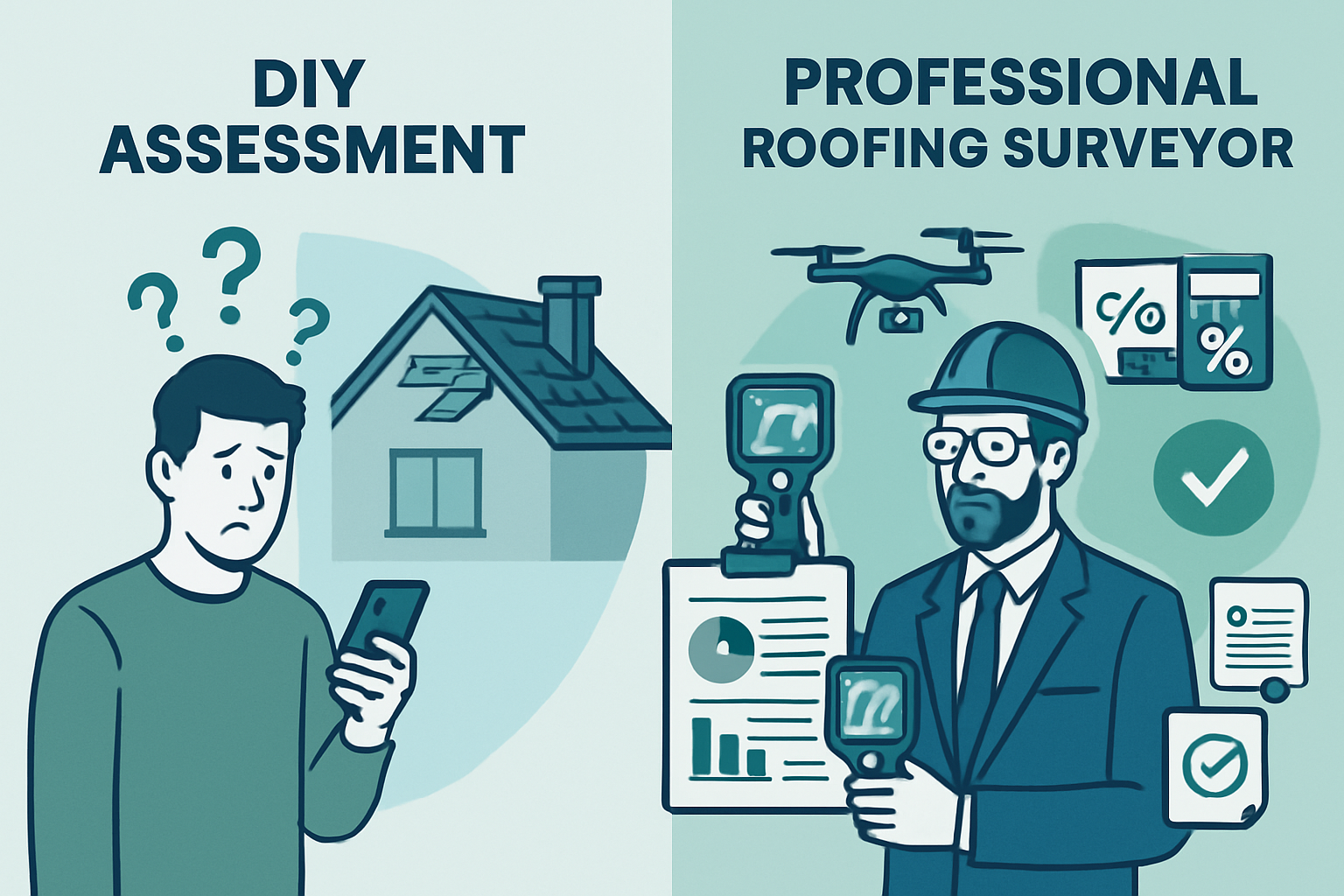
DIY Roof Inspection Versus Professional Survey
What Homeowners Can Safely Check
While professional surveys are essential, homeowners can perform basic monitoring:
From Ground Level:
- Missing or damaged shingles/tiles
- Sagging roof lines
- Damaged or clogged gutters
- Visible flashing problems
- Debris accumulation
From Inside (Attic):
- Water stains or active leaks
- Daylight visible through roof boards
- Sagging between rafters
- Mold or mildew growth
- Damaged or compressed insulation
Why Professional Assessment Remains Essential
Homeowner inspections cannot replace professional surveys because:
❌ Safety concerns: Roof access requires proper equipment and training
❌ Limited expertise: Recognizing subtle deterioration requires experience
❌ Inadequate tools: Thermal imaging and moisture detection need specialized equipment
❌ Liability issues: Improper assessment can void insurance coverage
❌ Incomplete evaluation: Hidden problems remain undetected
❌ No documentation: Informal checks lack the authority for legal or financial purposes
The Future of Roofing Surveys in 2025 and Beyond
Technological Advancements 🚁
Modern roofing surveys increasingly incorporate:
Drone Technology: High-resolution aerial photography and video eliminate dangerous roof access while providing comprehensive coverage. Drones equipped with thermal cameras identify heat loss and moisture without physical contact.
Artificial Intelligence: AI-powered image analysis detects deterioration patterns and predicts remaining lifespan with 87% accuracy [11].
3D Modeling: Photogrammetry creates detailed digital roof models for precise measurements and monitoring changes over time.
IoT Sensors: Smart monitoring systems provide continuous roof condition data, alerting property owners to developing problems immediately.
Regulatory Developments
In 2025, several jurisdictions have implemented or are considering:
- Mandatory roof surveys for properties over 20 years old
- Pre-sale roof certification requirements
- Enhanced disclosure obligations for sellers
- Standardized survey reporting formats
- Digital survey record repositories
Maximizing the Value of Your Roofing Survey
Acting on Survey Findings
A survey’s value depends on appropriate follow-through:
Immediate Actions (within 30 days):
- Address urgent safety hazards
- Implement temporary weatherproofing
- Notify insurance providers of discovered issues
- Obtain repair quotes from qualified contractors
Short-Term Planning (1-6 months):
- Schedule priority repairs
- Budget for recommended improvements
- Update property maintenance records
- Review insurance coverage adequacy
Long-Term Strategy (6+ months):
- Develop multi-year maintenance plan
- Schedule follow-up surveys
- Plan for eventual replacement
- Consider energy efficiency upgrades
Creating a Maintenance Schedule
Based on survey recommendations, establish:
Quarterly Tasks:
- Gutter cleaning and inspection
- Visual ground-level assessment
- Debris removal
- Drainage verification
Annual Tasks:
- Professional cleaning
- Flashing inspection and resealing
- Ventilation check
- Minor repair completion
Every 3-5 Years:
- Comprehensive professional survey
- Coating or treatment renewal
- Major component assessment
- Insurance documentation update
Conclusion: Protecting Your Property Through Professional Expertise
Understanding why you need a roofing surveyor for your property comes down to one fundamental principle: prevention is exponentially more cost-effective than cure. The roof protects everything beneath it—your family, your possessions, and your financial investment. Entrusting its assessment to qualified professionals isn’t an expense; it’s an insurance policy against catastrophic failure.
In 2025, with increasingly severe weather events, rising construction costs, and more stringent insurance requirements, professional roofing surveys have transitioned from optional to essential. The modest investment of $300-$800 for a comprehensive survey can prevent tens of thousands in emergency repairs, support successful insurance claims, facilitate smoother property transactions, and extend your roof’s functional lifespan by years or even decades.
Your Next Steps 🎯
- Schedule a professional roofing survey if your property hasn’t been assessed in the past 3-5 years
- Research qualified surveyors in your area with appropriate certifications and insurance
- Request detailed proposals from at least three professionals
- Review the survey report thoroughly and ask questions about any unclear findings
- Develop an action plan prioritizing repairs and establishing a maintenance schedule
- Maintain documentation for insurance, resale, and warranty purposes
Don’t wait for water stains, missing shingles, or insurance claim denials to recognize your roof’s importance. Proactive professional assessment protects your property, your finances, and your peace of mind. The question isn’t whether you can afford a roofing survey—it’s whether you can afford to go without one.
References
[1] National Roofing Contractors Association. (2024). “Impact of Preventive Maintenance on Roof Lifespan.” NRCA Technical Report Series.
[2] Bureau of Labor Statistics. (2025). “Construction and Building Inspector Employment Projections 2024-2034.”
[3] HomeAdvisor. (2024). “True Cost Guide: Water Damage Repair and Restoration.”
[4] National Association of Realtors. (2024). “Remodeling Impact Report: Exterior Features.”
[5] Insurance Information Institute. (2025). “Property Claims Processing: Industry Benchmarks and Best Practices.”
[6] American Society of Home Inspectors. (2024). “Specialized Inspections: Value and Discovery Rates.”
[7] Zillow Research. (2024). “Pre-Listing Inspections and Time-to-Sale Analysis.”
[8] Roofing Contractors Association. (2024). “Roof Replacement Cost Analysis and Lifecycle Extension Strategies.”
[9] Department of Energy. (2024). “Home Energy Efficiency: Attic and Roof Insulation Impact Studies.”
[10] Insurance Services Office. (2025). “Risk Mitigation Discounts in Homeowners Insurance Policies.”
[11] Construction Technology Review. (2025). “AI Applications in Building Inspection and Predictive Maintenance.”
SEO Meta Title and Description
Meta Title: Why You Need a Roofing Surveyor for Your Property (2025)
Meta Description: Discover why professional roofing surveyors are essential for property protection. Learn how expert roof surveys save thousands in repairs and protect your investment.
How Prince Surveyors can help: explore our roof surveys in London or learn about our drone roof inspections.